
Moderator
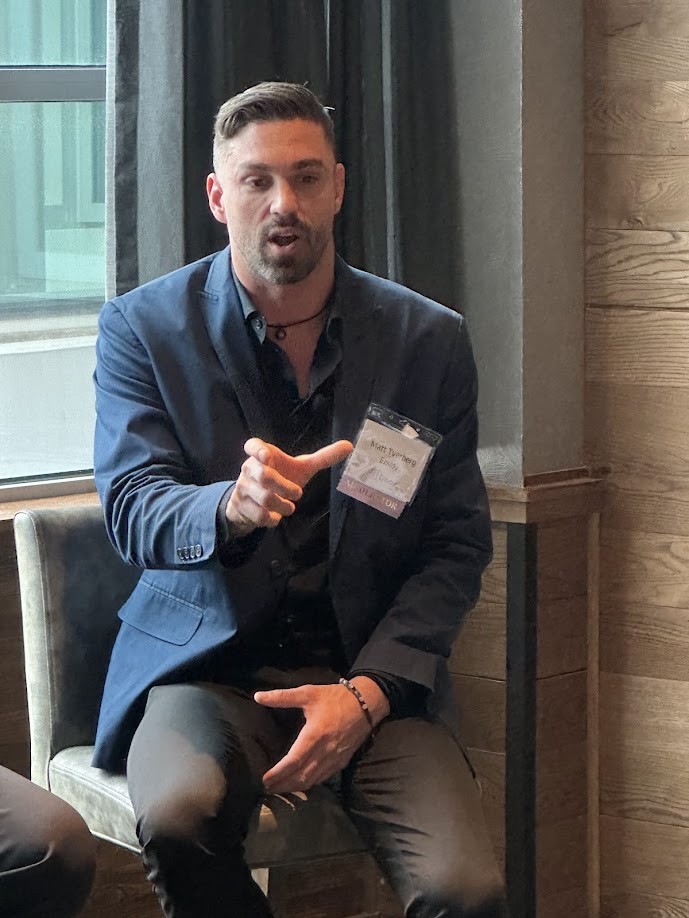
Matt Tverberg
Manager, Enterprise Customer Success
Envoy


Post-event recap
Eliminating security and compliance blind spots.
Executive summary
Enterprises are operating in an environment where supply chain security, regulatory compliance, and operational resilience are no longer siloed functions but tightly interconnected disciplines that directly impact revenue, brand trust, and business continuity. Rising geopolitical risk, tariff volatility, forced-labor regulations, and sophisticated cargo theft and fraud schemes are increasing both the financial exposure and the scrutiny from regulators and customers. Leaders are recognizing that compliance failures now carry material balance-sheet impact, not just reputational risk, and that fragmented, locally managed processes are insufficient in a globally distributed operating model.
The discussion underscored a shift from static, checklist-based compliance toward continuous risk management supported by standardized processes, centralized visibility, and secure information sharing across physical, digital, and third-party ecosystems. M&A activity and global expansion amplify this challenge, as inherited systems, uneven security maturity, and inconsistent governance can introduce hidden liabilities. Forward-looking organizations are treating compliance, security, and supply chain integrity as strategic capabilities enabled by data, automation, and strong process ownership, rather than as cost centers.
Moderator and panel
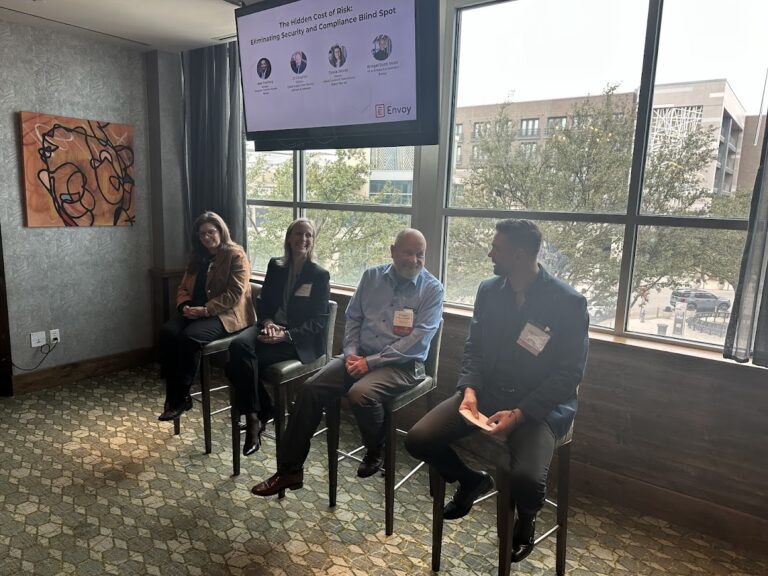
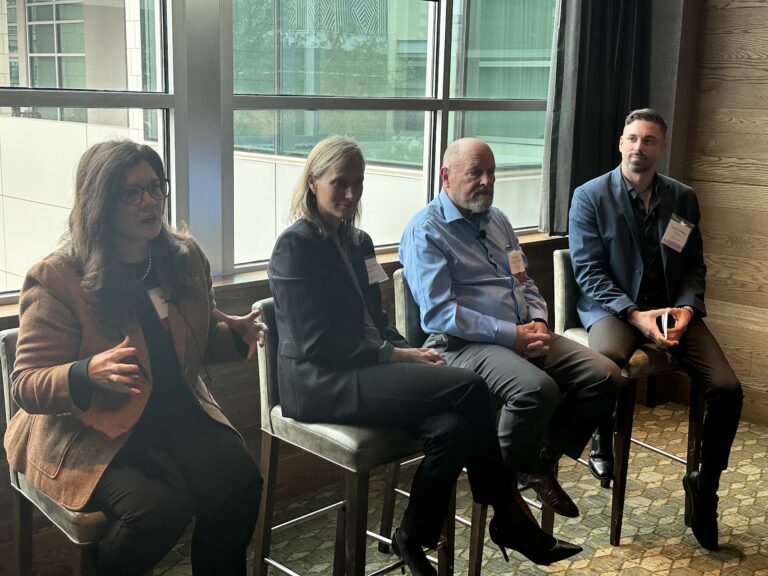
The conversation brought together customs and trade advisory, global supply chain security, and workplace operations.
Moderator
Manager, Enterprise Customer Success
Envoy

Speaker
VP of Strategy and Enablement
Envoy

Speaker
Director, Global Supply Chain Security
Johnson & Johnson

Speaker
Director, Global Customs & Trade Advisory
Baker Tilly US
A connected control layer
The discussion underscored a shift from static, checklist-based compliance toward continuous risk management supported by standardized processes, centralized visibility, and secure information sharing across physical, digital, and third-party ecosystems.
Key themes
The strongest themes connected trade compliance, cargo security, physical and cyber convergence, process governance, and third-party risk.
Tariffs, customs penalties, and regulatory enforcement now create material P&L exposure, making compliance accuracy and audit readiness board-level concerns.
Cargo theft, fraud, and geopolitical disruptions highlight the need for real-time tracking, identity verification, and standardized controls across shippers, carriers, and facilities.
Cloud-connected physical systems enable centralized monitoring and compliance reporting but introduce cyber risk that must be governed at the same level as IT security.
Automation and analytics are only effective when underpinned by disciplined, auditable processes and clear accountability at every handoff point.
Acquisitions and contractor ecosystems often introduce compliance and security gaps that can become costly liabilities without early, structured due diligence and integration.
Compliance failures now land on the balance sheet.
Leaders are recognizing that compliance failures now carry material balance-sheet impact, not just reputational risk, and that fragmented, locally managed processes are insufficient in a globally distributed operating model.
Actionable takeaways
Five actions leaders can use to make trade compliance, cargo security, and third-party governance more consistent.
Treat customs, trade, and security compliance as continuous risk-management functions with executive dashboards, not periodic audit exercises.
Implement systems of record for visitor access, carrier identity, and shipment custody that provide real-time visibility and defensible audit trails across all sites.
Involve trade, security, and IT governance leaders early in acquisitions to surface historical liabilities, forced-labor exposure, and control gaps before integration.
Apply the same identity verification, access management, and monitoring standards to drivers, vendors, and service providers as to employees, with contractual and process enforcement.
Combine process ownership, continuous training, and analytics to detect anomalies, ensure accountability, and adapt controls as geopolitical, regulatory, and cyber threats evolve.
From the room
Plano, TX · January 22, 2026.




Event sponsor
Envoy helps organizations bring workplace, visitor, access, and safety workflows together so teams can create environments that are secure, welcoming, and easier to operate.
Learn more ↗