
Culture Amp
Erica Pachmann
Lead People Scientist


Post-event recap
The hidden cost during times of uncertainty — and how people leaders can redesign work without losing trust, judgment, or the human strengths that make organizations resilient.
Organizations are entering a new phase of AI adoption where the central challenge is no longer whether to use AI, but how to integrate it into work without damaging culture, trust, or accountability.
Leaders discussed how AI is reshaping roles across HR, talent acquisition, learning and development, employee experience, and business operations. The value of AI depends on how thoughtfully organizations redesign work, train employees, and define the boundaries between automation and human judgment.
The conversation repeatedly returned to one idea: use AI to expand human capacity, not erase it. Critical thinking, judgment, creativity, communication, and relationship-building remain essential — especially when decisions affect people’s careers and livelihoods.
Moderator and panel
Perspectives from employee experience, talent management, HR strategy, people operations, and talent acquisition.
Culture Amp
Lead People Scientist

R1 RCM
Sr. Director, HR Strategy & AI Enablement

Camping World
Director, Talent Management & Employee Experience

Omnicom Health Group
Associate Director, Talent Acquisition

Accompany Health
Director, People Strategy & Ops

Morningstar
Global Head of Talent Management
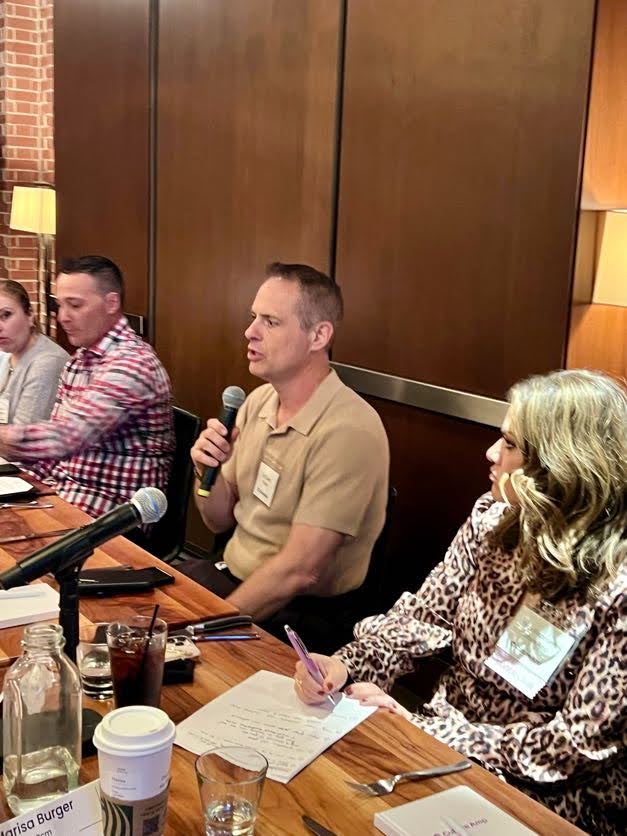
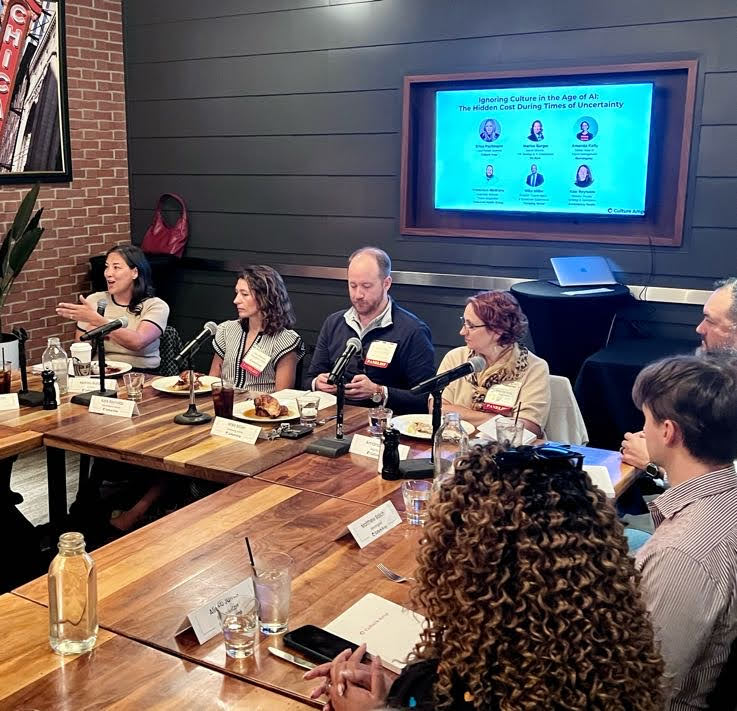
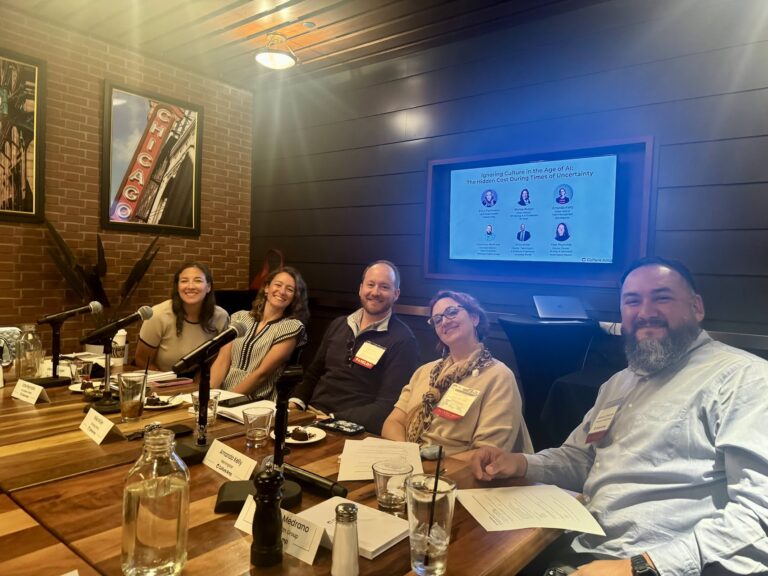
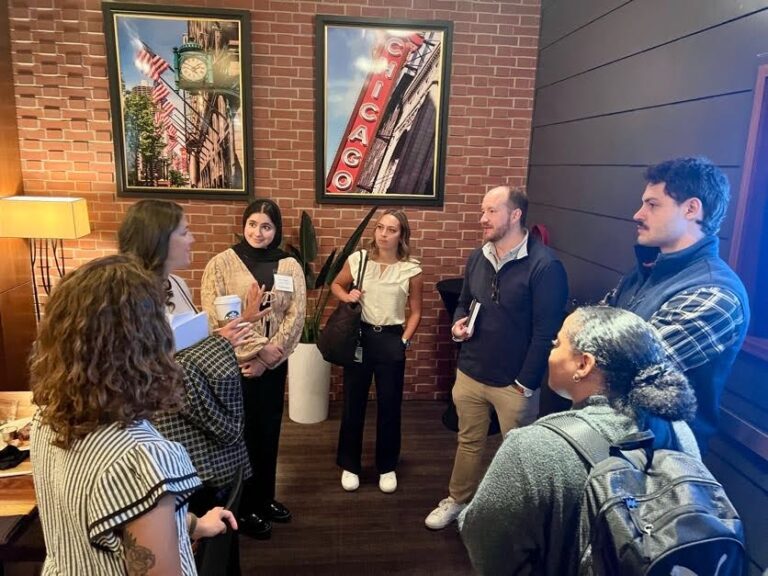
In the room
“Put AI closest to the people actually using it.”
Key themes
Five themes framed the discussion about AI, culture, work design, and accountability.
AI adoption is changing expectations for leadership, work design, employee behavior, and organizational trust. Treat it as a culture shift, not simply a technology rollout.
Automation can absorb repetitive work, but organizations need to intentionally create space for judgment, problem-solving, coaching, creativity, and relationships.
AI use in hiring, talent, performance, and employee relations needs clear guardrails. Human accountability does not disappear because a system produced the recommendation.
Tool-agnostic learning, critical thinking, and safe usage matter more than narrow prompt tricks. Leaders need to understand risk, scale, and workforce implications.
Speed and productivity are useful only when the employee and candidate experience remains fair, understandable, and human.
A warning from the room
Actionable takeaways
A practical operating list for introducing AI without treating culture as an afterthought.
Clarify whether the goal is capacity, quality, cost reduction, innovation, or employee experience — and explain the why.
Revisit roles, processes, decision points, and handoffs before assuming tool access will create value.
Leaders need fluency in scalability, risk, governance, workforce impact, and business value.
Use AI to support hiring, coaching, and performance — not to remove human review.
Define what data can be entered, when HR/legal review is needed, and which outputs require validation.
Teach safe usage, bias awareness, hallucination risk, responsible prompting, and output evaluation.
Design tools that help employees reason through decisions instead of simply generating answers.
Bring risk partners into the design process so adoption can move with guardrails rather than stall later.
Recognize improvements in quality, risk, customer experience, and employee experience — not automation volume alone.
Use automation to manage scale without removing the human interaction required for fairness and trust.
Process owners will increasingly need to validate, maintain, and improve the tools embedded in their workflows.
Treat AI output as a recommendation. Employees remain responsible for questioning, reviewing, and acting with judgment.
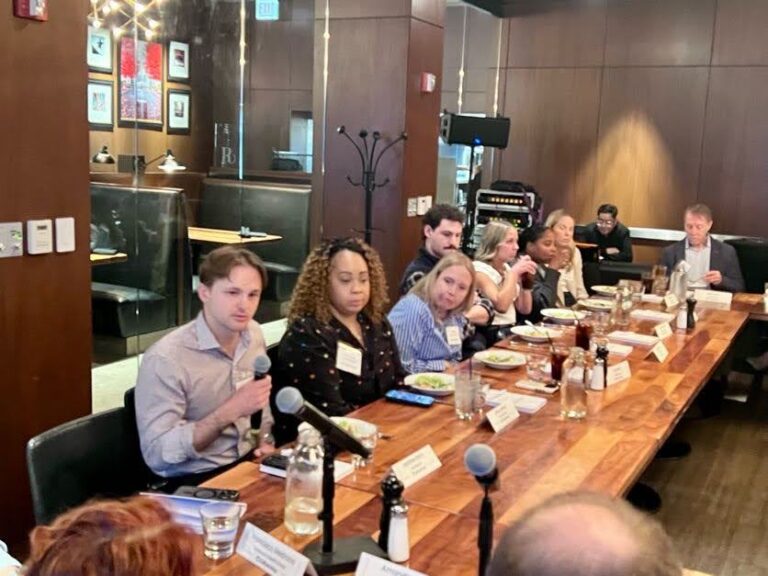
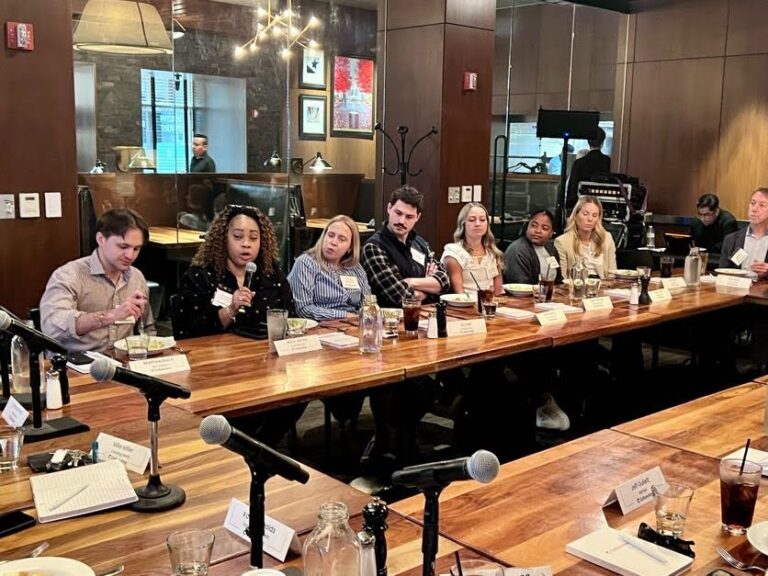
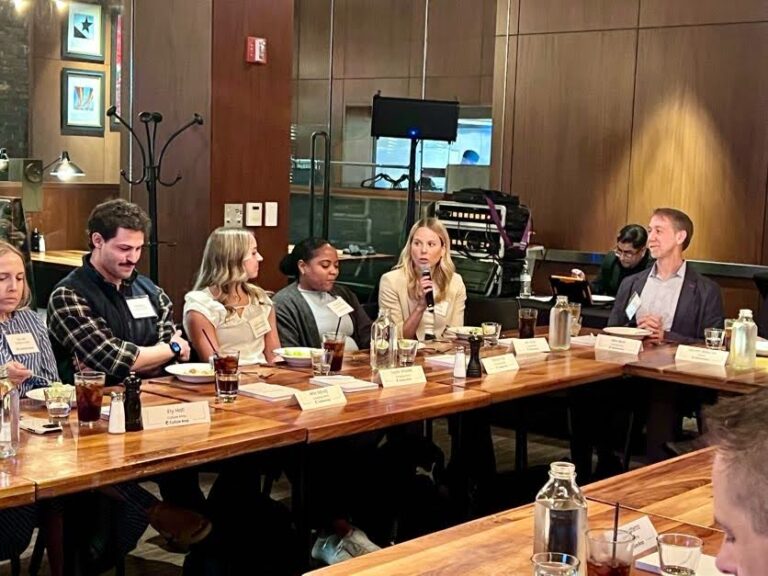
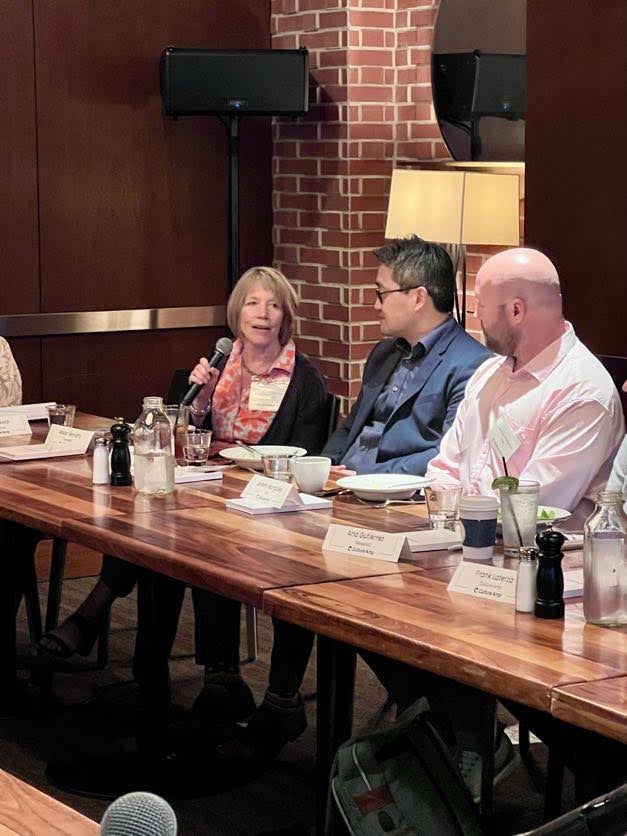
From the room
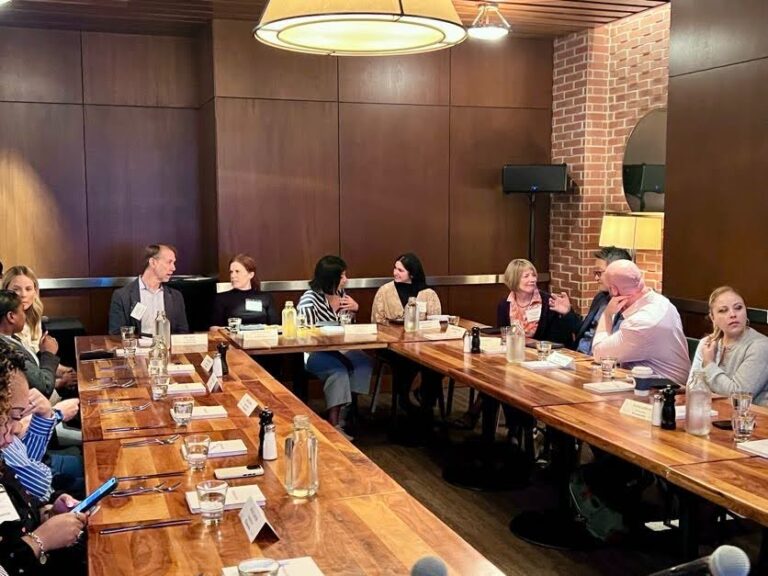
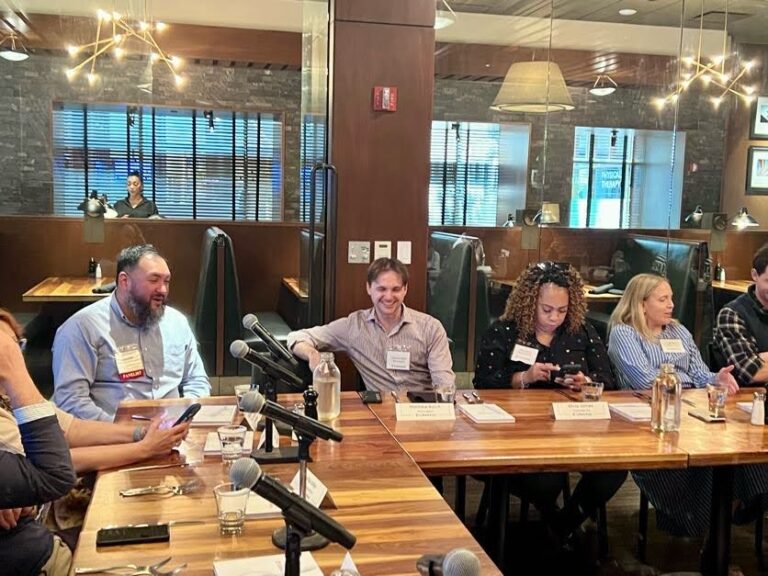
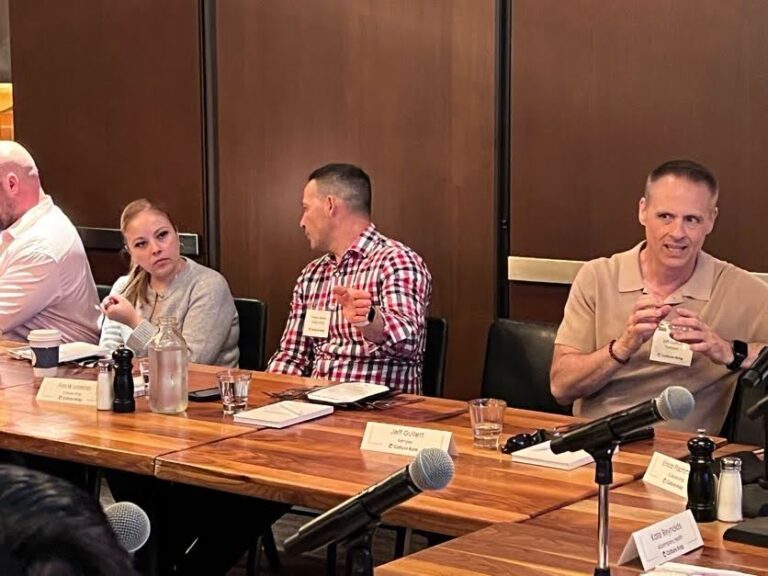
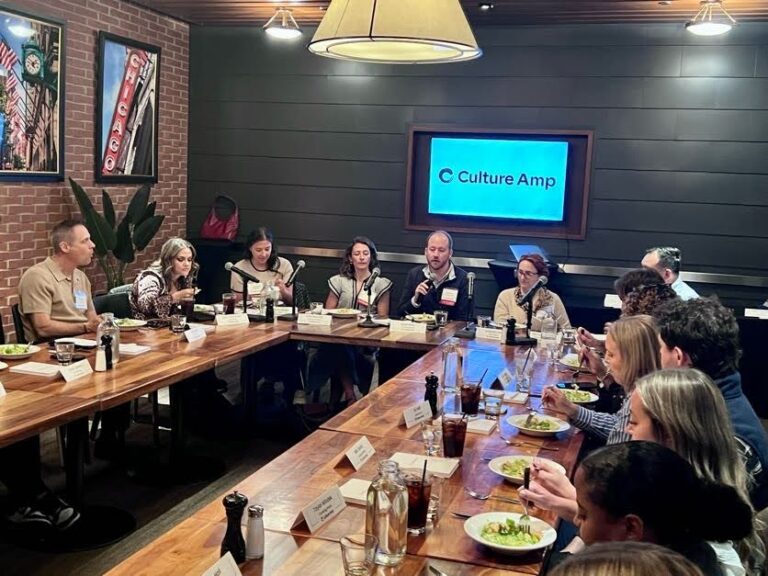
Event sponsor

Culture Amp revolutionizes how over 25 million employees across 6,500 companies create a better world of work. As the global platform leader for employee experience, Culture Amp empowers companies of all sizes and industries to transform employee engagement, develop high-performing teams, and retain talent via cutting-edge research, powerful technology, and the largest employee dataset in the world. The most innovative companies across the globe, such as Salesforce, PwC, KIND, SoulCycle, and BigCommerce depend on Culture Amp every day.
Culture Amp is backed by 10 years of innovation, leading venture capital funds, and offices in the U.S., U.K., and Australia. Culture Amp was recognized as one of the world’s top private cloud companies by Forbes and one of the most innovative workplace companies by Fast Company.
cultureamp.com ↗