
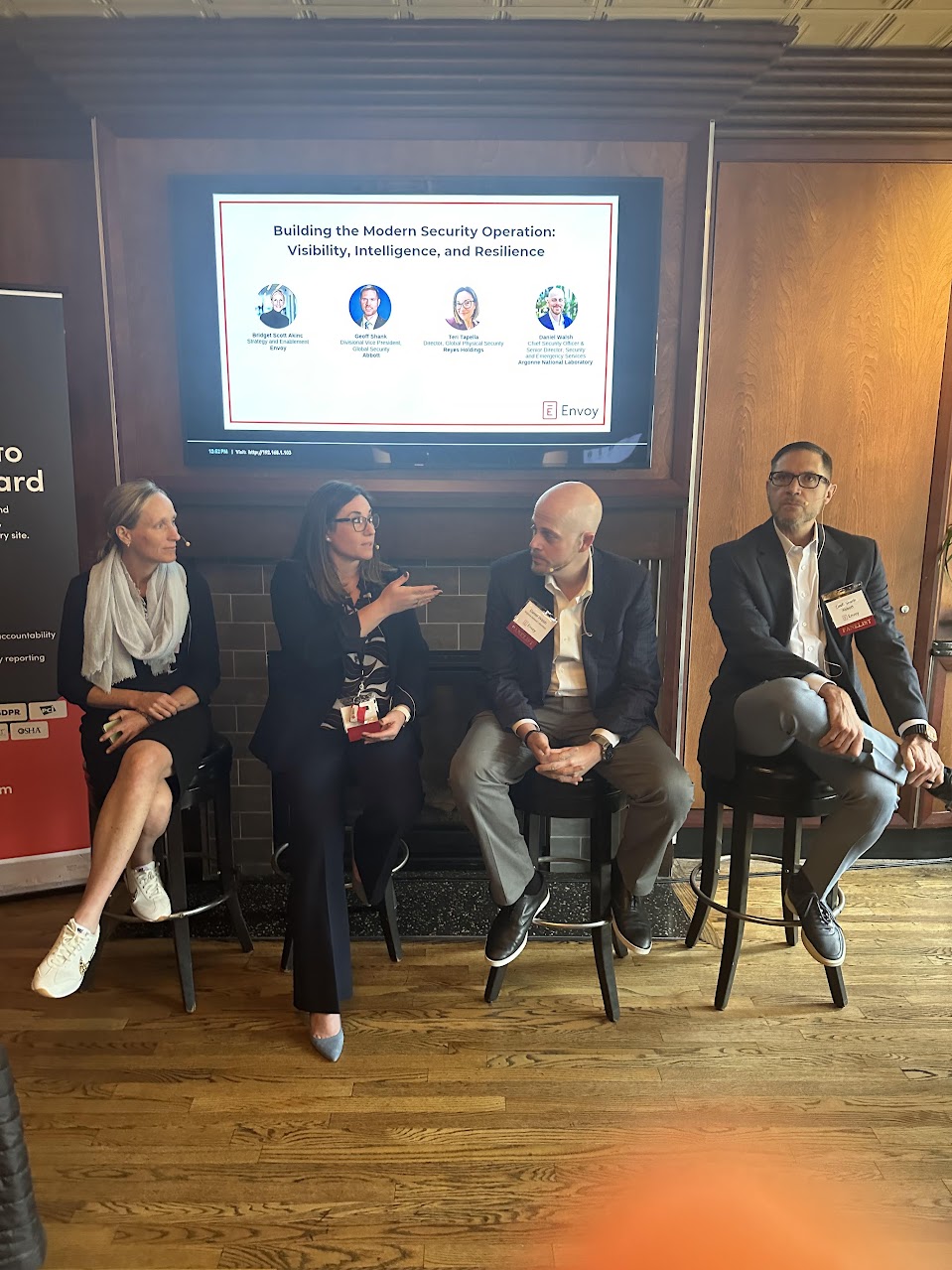
Moderator
Bridget Scott Akinc
VP of Strategy and Enablement
Envoy


Executive Summary
Physical security is becoming increasingly dependent on stronger identity assurance. AI-generated credentials, sophisticated impersonation, third-party access, and global workforces are making it harder to establish whether someone is truly who they claim to be. Enterprises are responding by applying different verification standards based on the individual, purpose of access, location, and level of risk rather than relying on a single screening process.
At the same time, security systems are becoming more interconnected. Visitor management, physical access, cyber controls, compliance, HR, and network access can increasingly share information and automate workflows. That integration can improve security and efficiency, but it also creates dependencies that can amplify failures. Leaders need to understand where interoperability adds value, where systems should remain separated, and how access to sensitive information can be limited throughout the process.
Technology alone is not enough. Effective security still depends on employees understanding policies, following workflows, questioning suspicious activity, and knowing when to escalate. As AI makes phishing, social engineering, and identity fraud more convincing, continuous education and stronger defensive automation will be increasingly important.
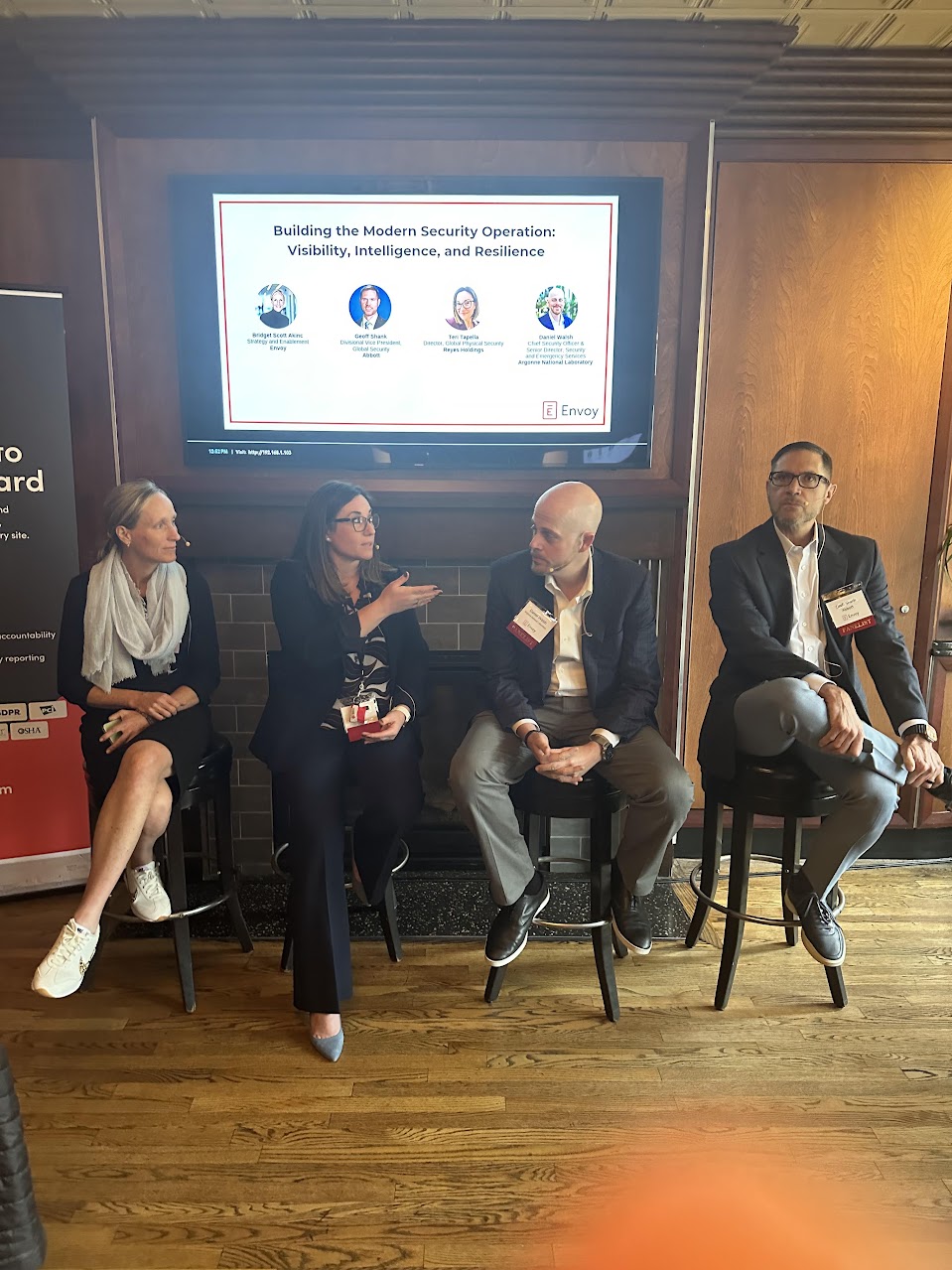
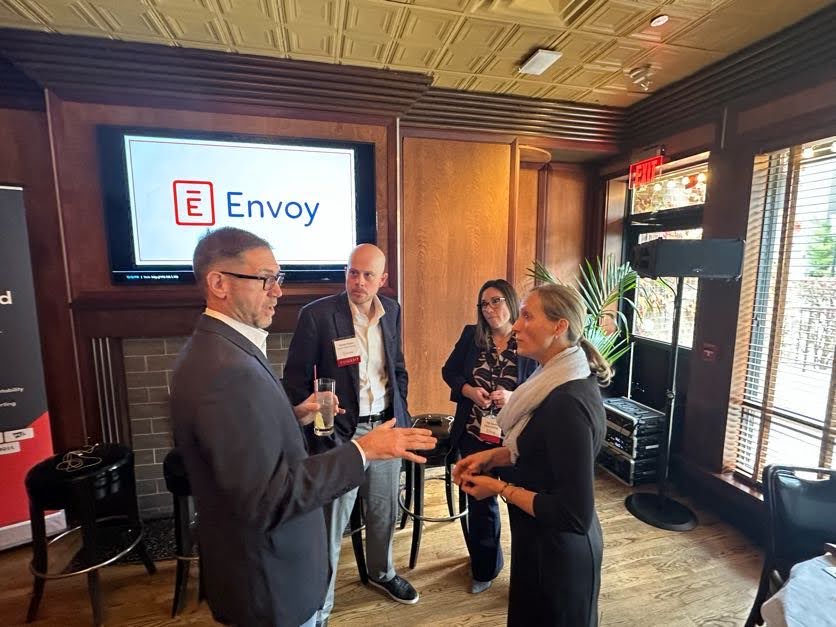
Moderator and Speakers
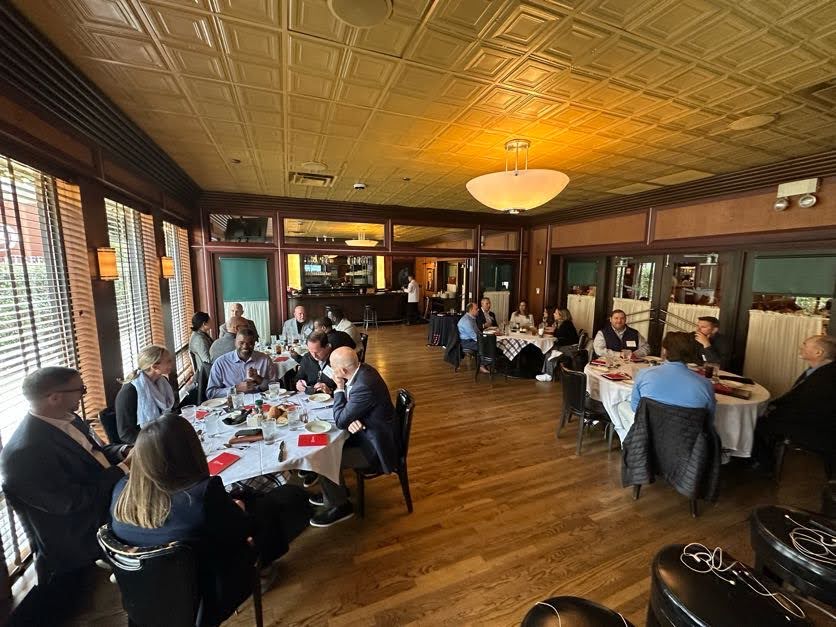
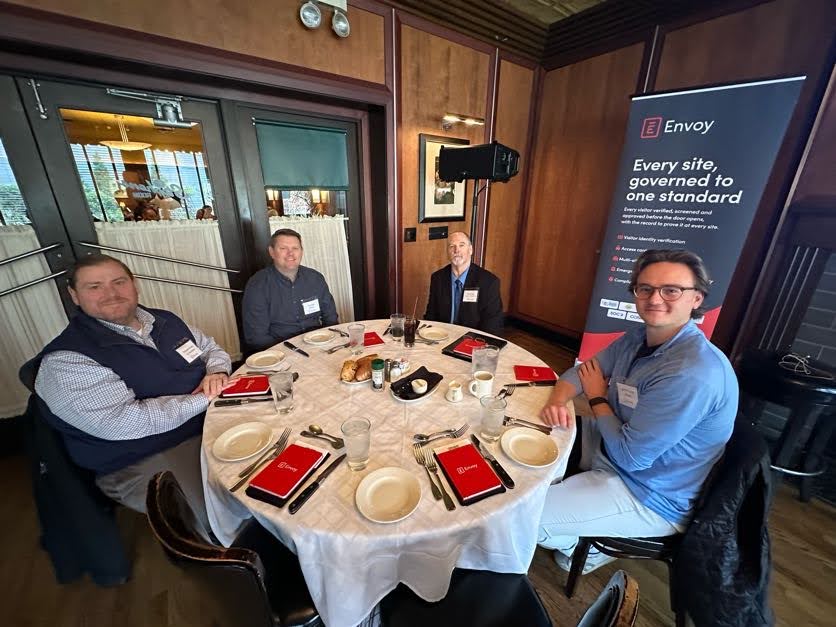
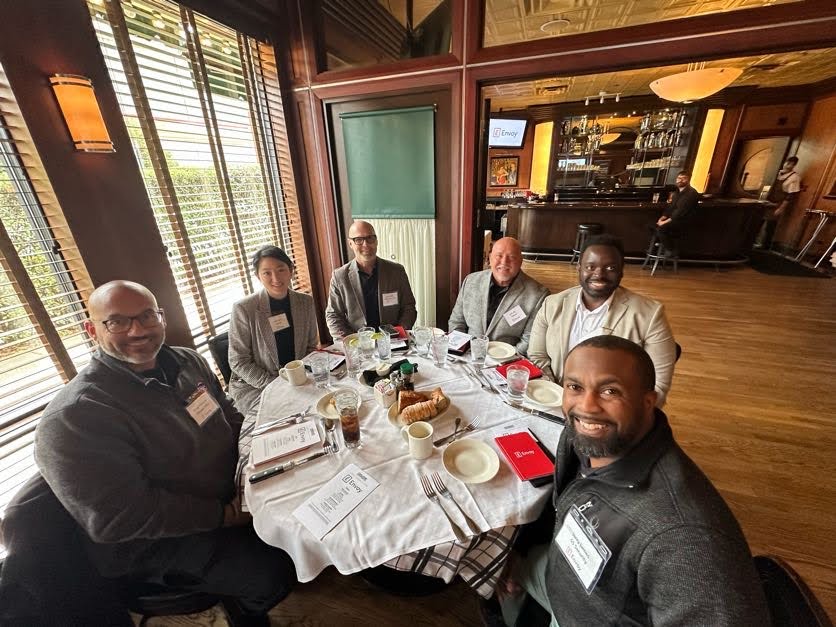
Attending Companies
Organizations represented at the Rosemont executive lunch.
Key Themes
The strongest themes connected identity, risk, integration, and the people who make security work.
Physical and digital access decisions increasingly depend on accurately verifying employees, contractors, vendors, and visitors before granting access.
Verification, screening, escort requirements, and system access should vary based on who the individual is, why they are present, and what they can reach.
Connecting security systems can streamline workflows, but poorly understood dependencies can create new points of failure and reduce resilience.
Modern attacks increasingly combine digital techniques, social engineering, and physical access, requiring security teams to think across traditional boundaries.
Training, change management, local knowledge, and employee judgment determine whether security technology works as intended.
Connected Security
Visitor management, physical access, cyber controls, compliance, HR, and network access can increasingly share information. Leaders need to understand where interoperability adds value, where systems should remain separated, and how access to sensitive information can be limited throughout the process.
Actionable Takeaways
Create different verification and access requirements for employees, contractors, vendors, visitors, and other third parties.
Do not assume a contractor or supplier has adequately vetted everyone acting on its behalf.
Design approval and screening processes that can quickly adapt when risks, regulations, or business requirements change.
Identify where connected systems create critical failure points and maintain fallback processes when those connections fail.
Limit physical, network, and data access to what each person actually needs and partition sensitive information wherever possible.
Give employees clear standards, ongoing training, practical tools, and frequent reinforcement rather than relying on one-time implementation.
Combine technical controls with a culture that encourages employees to pause, independently verify unusual requests, and escalate uncertainty.
Favor platforms that can be configured by security teams, produce useful metrics, and adapt without requiring lengthy enterprise IT development cycles.




Event Sponsor

Envoy empowers over 16,000 workplaces and properties around the globe to redefine how their workplaces run. Envoy connects people, spaces, and data in one integrated workplace platform, helping organizations create secure, safe, compliant, and welcoming environments while making informed workplace decisions at scale.
Learn more about EnvoyOrganizer

BDI creates invitation-only executive experiences that bring senior business and technology leaders together for candid peer discussion, relationship building, and practical insight.
Learn more about BDI