Loading Events
Post-event recap

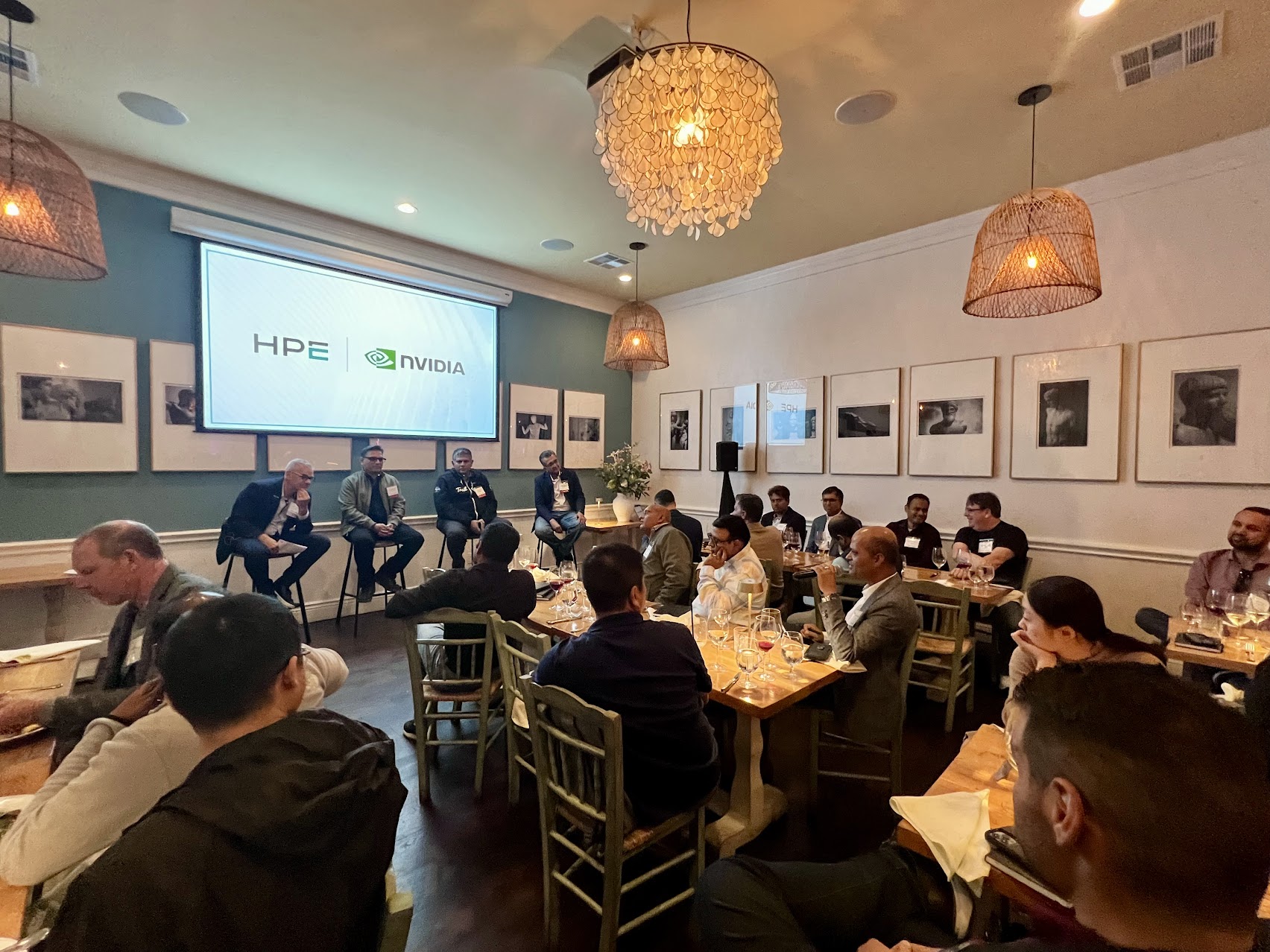
Beyond the Pilot: Operationalizing Agentic AI

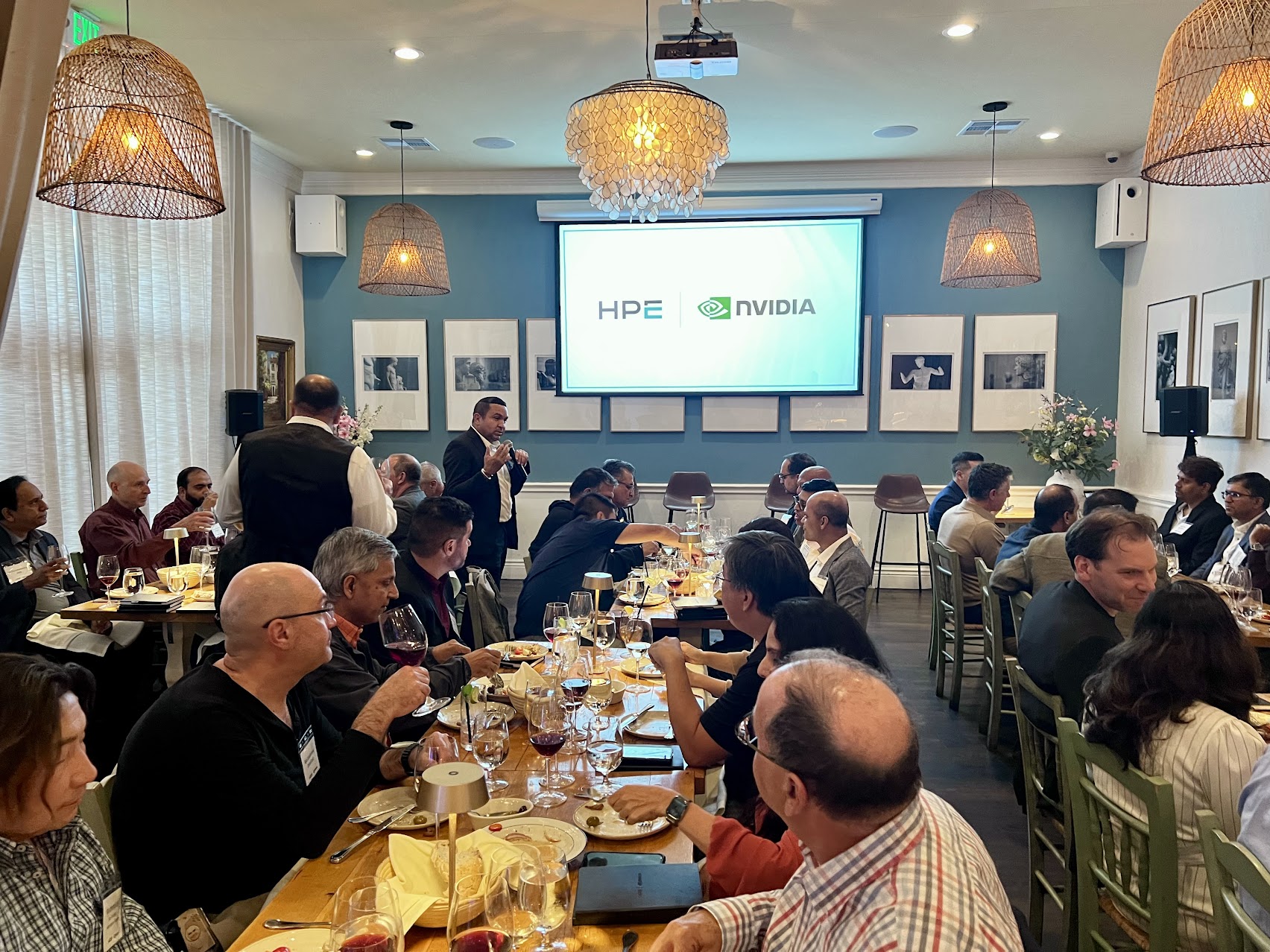
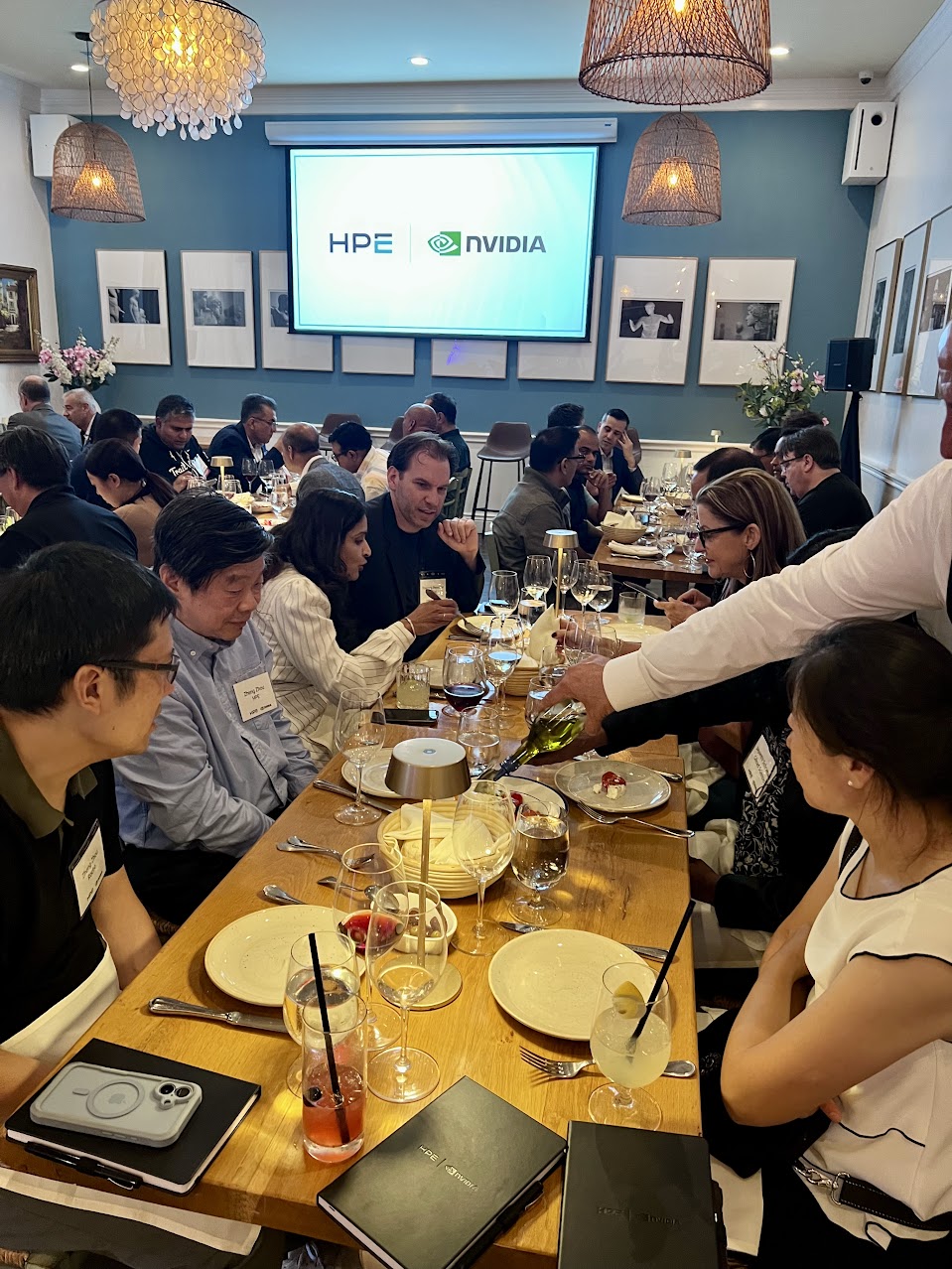
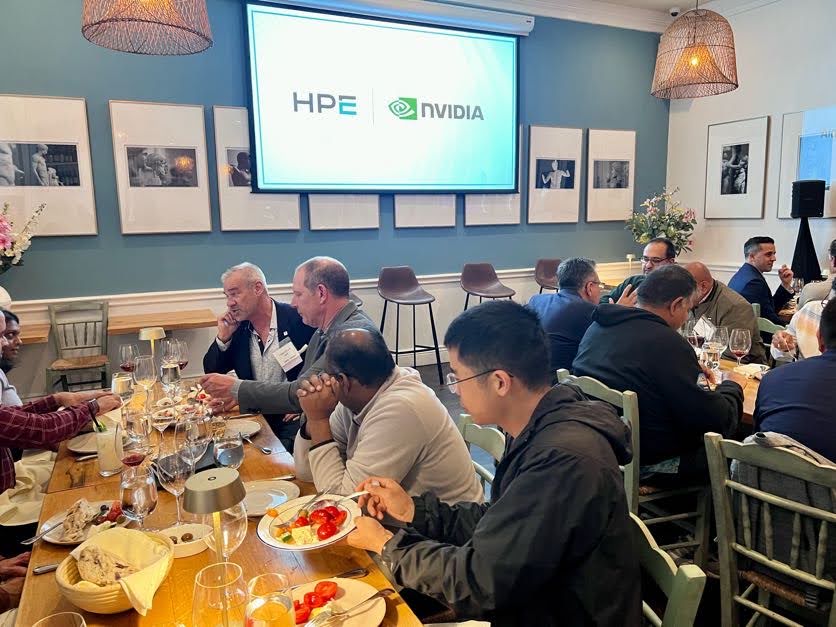
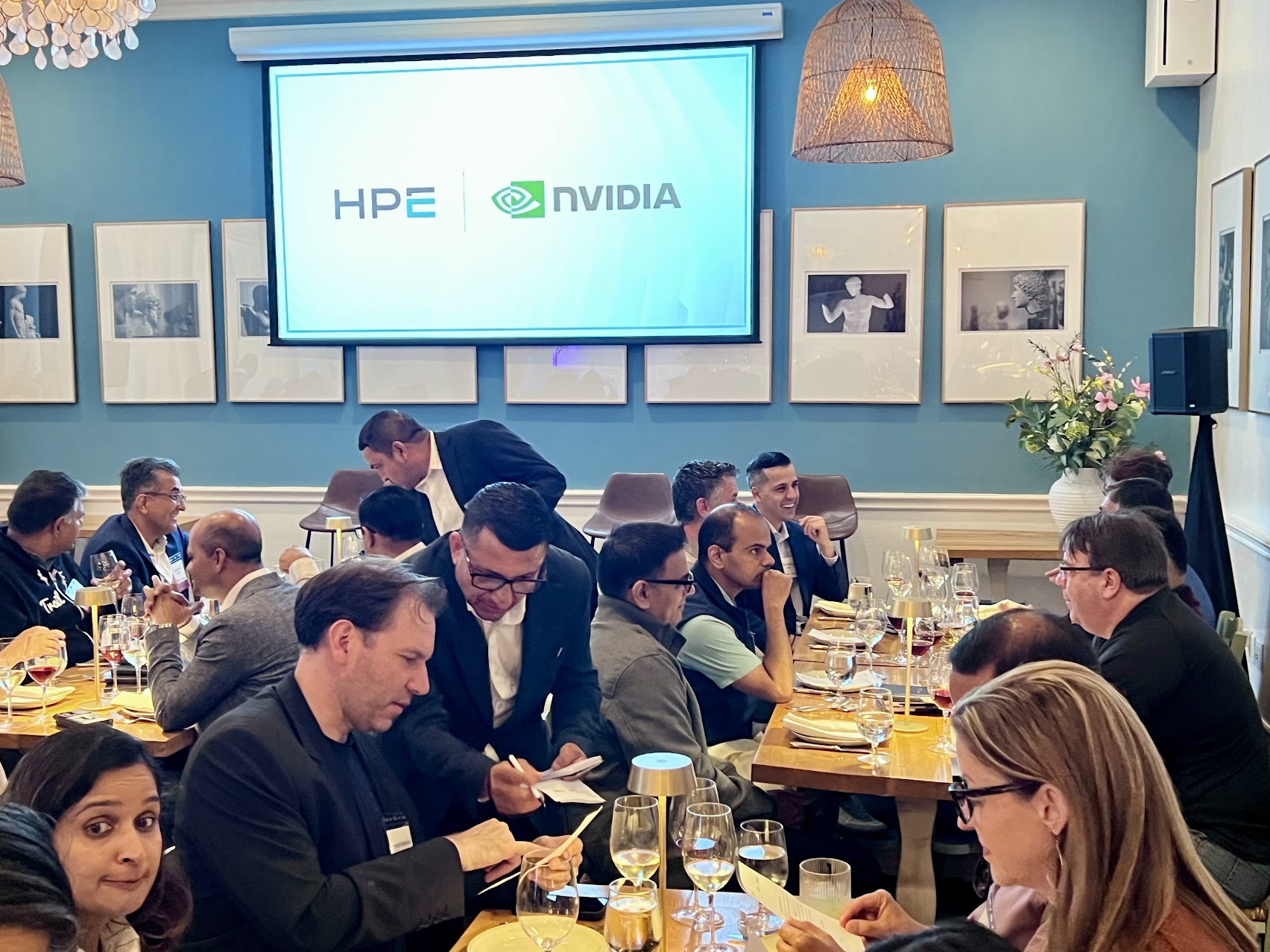
Private Executive Dinner & Wine Tasting

Executive summary

From experiments to accountable runtime systems

Enterprise AI is moving beyond isolated pilots, but scaling agentic systems remains difficult because production environments introduce challenges that experiments often avoid. Long-running workflows must cross multiple systems, access enterprise data, preserve context, and operate with clearly defined identities and permissions. Organizations that struggle with those fundamentals are finding that better models alone do not solve the problem.

The discussion emphasized that successful production AI requires the same discipline expected of other enterprise software, with additional controls for autonomy. Every agent needs an owner, a defined scope, auditable actions, observable behavior, and the ability to reverse unintended outcomes. Strong data foundations are equally important. AI grounded in unreliable or outdated enterprise knowledge can amplify existing data problems rather than correct them.

As agents become more autonomous, governance and security must increasingly operate at machine speed. Human oversight remains essential, but organizations cannot rely on manual approval for every action. Instead, autonomy should increase as systems demonstrate predictable behavior, while higher-risk decisions retain stronger controls and clear escalation paths to accountable humans.

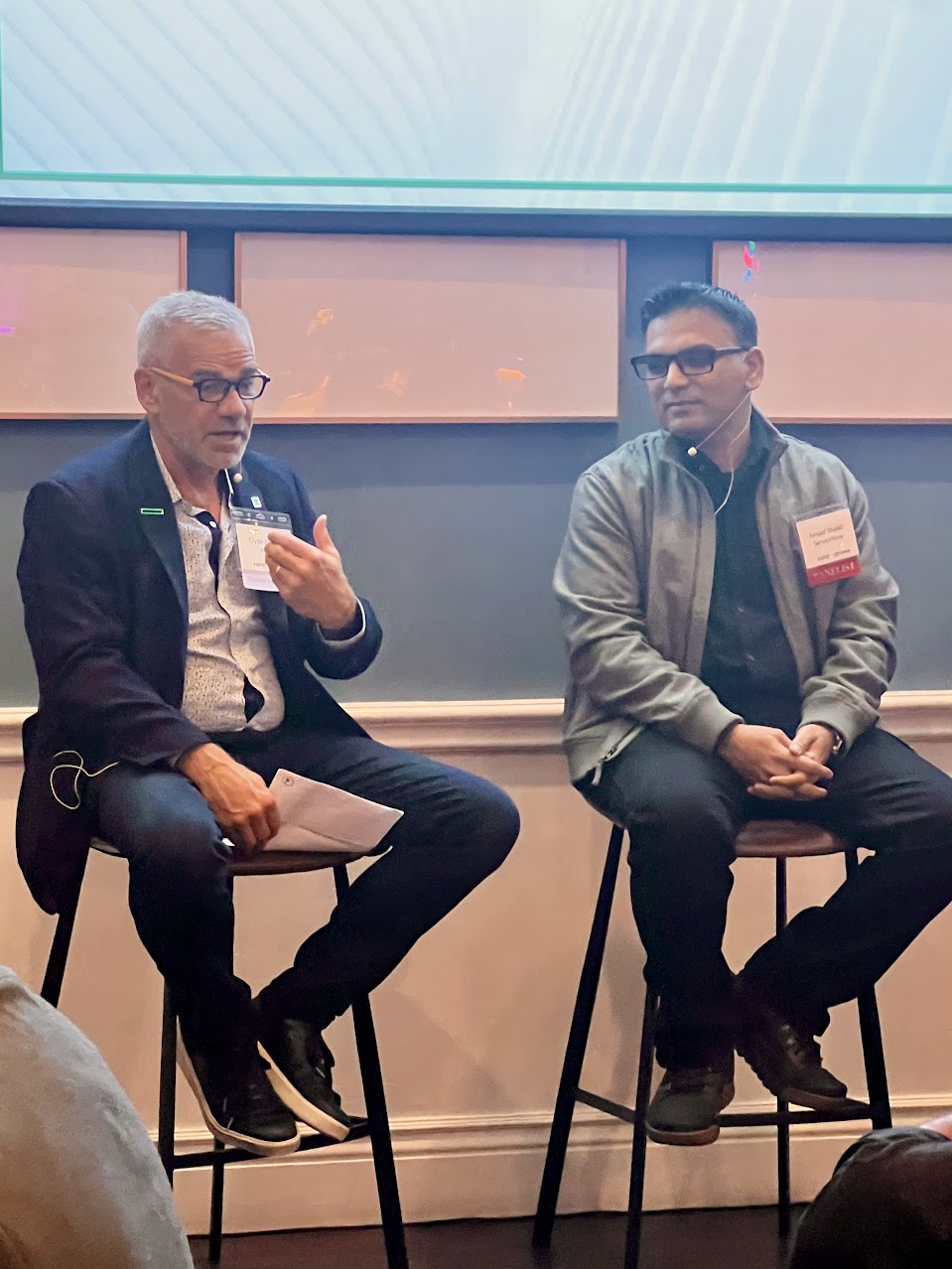
Featured discussion

Perspectives from the room

Clyde Gillard
Moderator

Clyde Gillard

North American AI GTM Leader

HPE
Jay Suresh
Panelist

Jay Suresh

Senior Director of Software Engineering Cloud & AI Security

Salesforce
LinkedIn
Amjad Shaikh
Panelist

Amjad Shaikh

Vice President, Platform & AI

ServiceNow
LinkedIn
Sagar Baliyara
Panelist

Sagar Baliyara

Product Partnerships, NVIDIA AI Enterprise

NVIDIA
LinkedIn

Key themes

What the room explored

  1. 01

    Strong Foundations Determine Production Readiness

    Reliable data, clear ownership, defined access, and production-quality engineering matter more than model sophistication alone.

  2. 02

    Agent Ownership Is Fundamental to Governance

    Every agent needs an accountable business or technical owner who can intervene, reverse actions, and manage risk when something goes wrong.

  3. 03

    Autonomy Must Be Earned Through Evidence

    Organizations can expand agent autonomy as workflows demonstrate predictable, repeatable performance and reduce it when outcomes fall outside acceptable thresholds.

  4. 04

    Observability Must Move to Runtime

    Monitoring needs to capture what agents are doing while they operate, including tool access, decisions, context, permissions, and downstream actions.

  5. 05

    Human Roles Are Being Reimagined, Not Simply Replaced

    AI is shifting employees away from narrow execution toward broader responsibilities involving judgment, design, validation, problem solving, and oversight.

Operating principle

Autonomy should increase as systems demonstrate predictable behavior.

Higher-risk decisions retain stronger controls and clear escalation paths to accountable humans.

Actionable takeaways

What enterprise leaders can do next

  1. 01

    Choose use cases that genuinely require AI

    Avoid replacing deterministic processes with agentic systems when simpler technology can solve the problem reliably.

  2. 02

    Assign ownership before an agent enters production

    Define who owns the agent, its business outcome, its risk, and the authority to stop or reverse its actions.

  3. 03

    Strengthen enterprise data foundations

    Validate the knowledge and context agents rely on before increasing automation or autonomy.

  4. 04

    Standardize production criteria for agents

    Require clear identity, scoped permissions, auditability, observability, reversibility, and defined acceptance criteria.

  5. 05

    Use risk to determine autonomy

    Give low-risk, repeatable decisions more autonomy while maintaining human approval for high-impact or uncertain actions.

  6. 06

    Build runtime observability into agent systems

    Monitor behavior, access, actions, context, and outcomes continuously rather than relying only on post-incident analysis.

  7. 07

    Design security for machine-speed threats

    Apply defense in depth, infrastructure-level restrictions, sandboxing, and automated response capabilities that can operate at the same speed as AI-enabled attacks.

  8. 08

    Develop employees around judgment and end-to-end problem solving

    Equip teams to use AI for execution while strengthening domain expertise, critical thinking, design, validation, and accountability.

The room

Companies represented

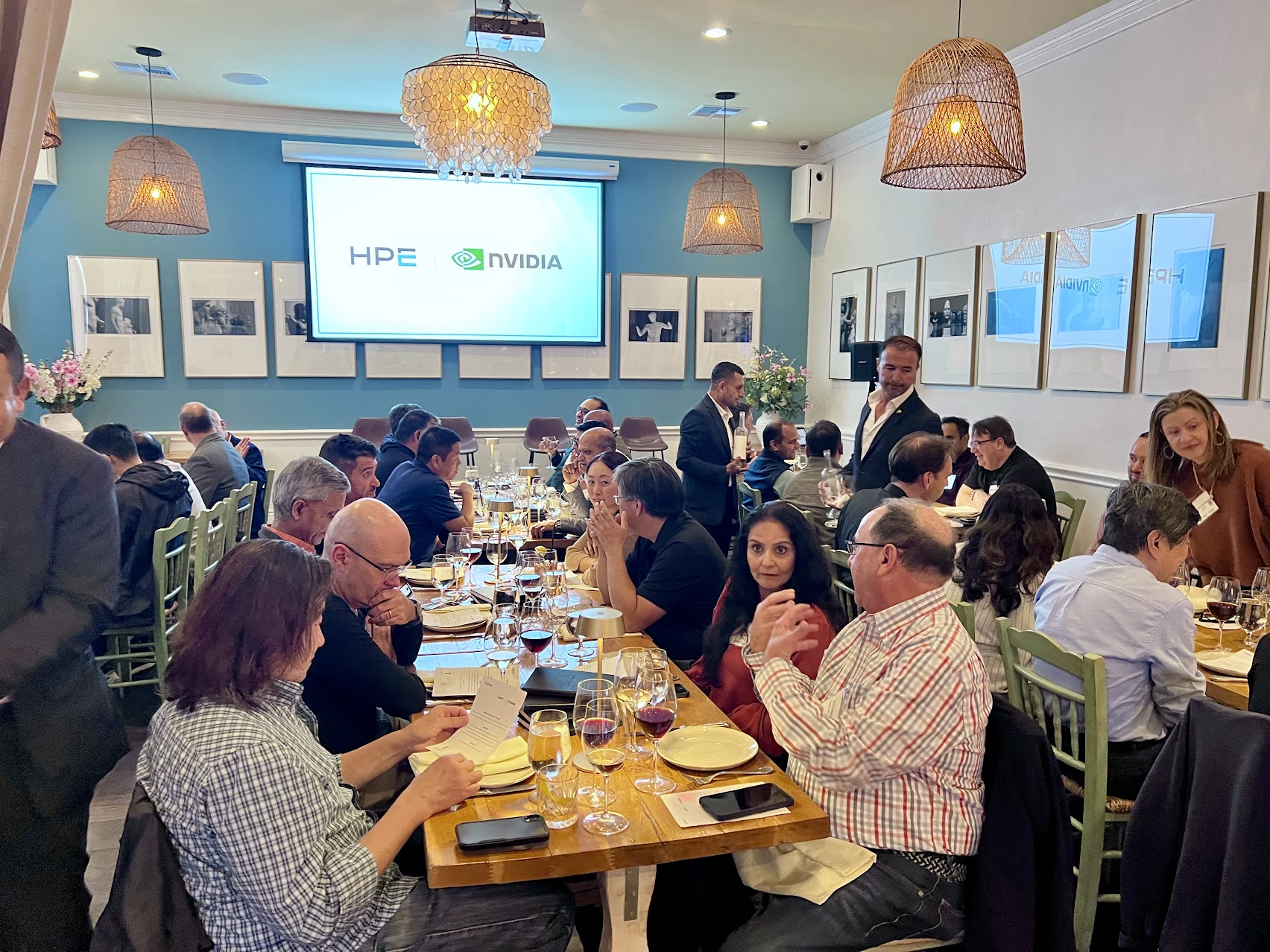
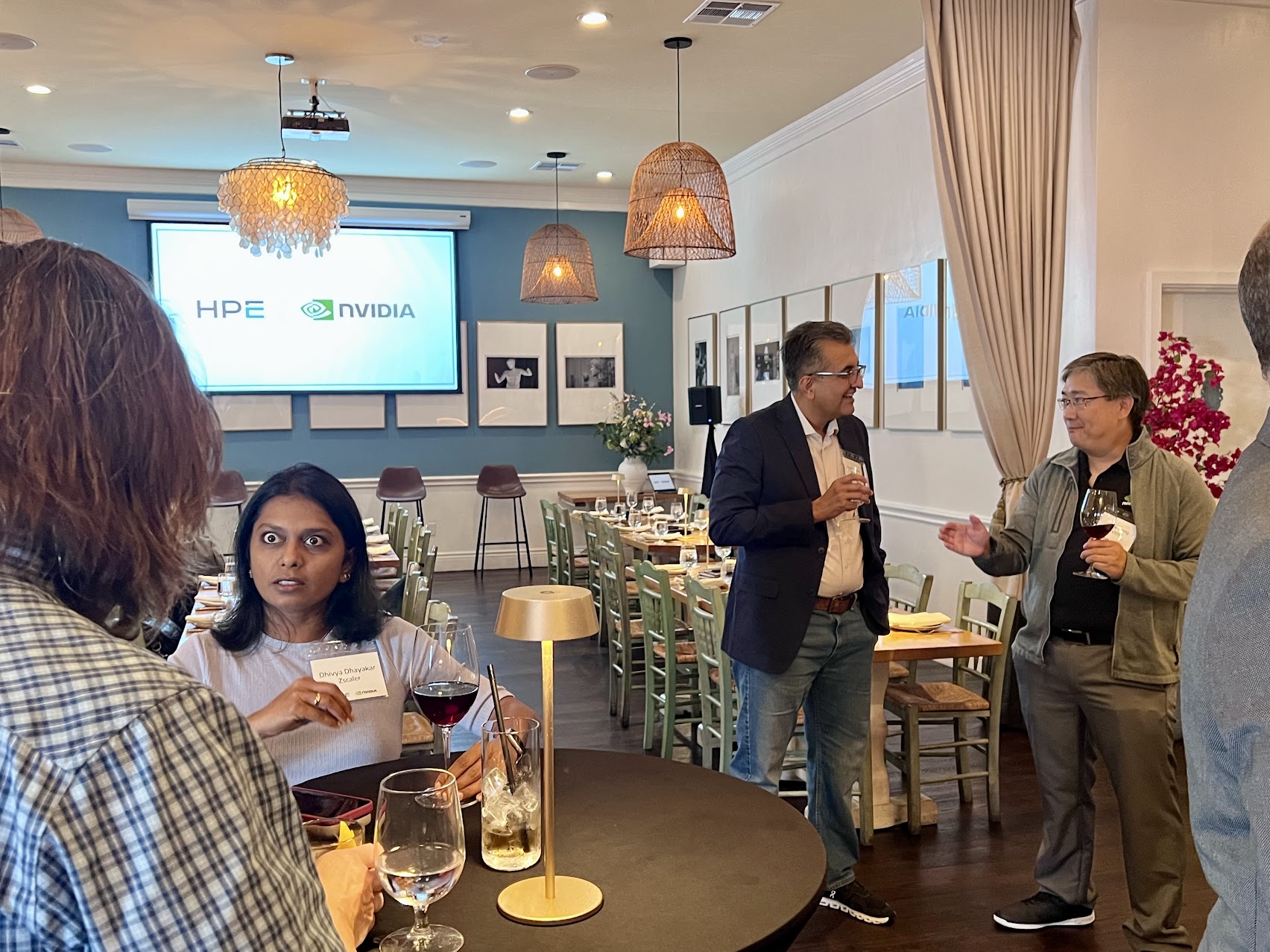
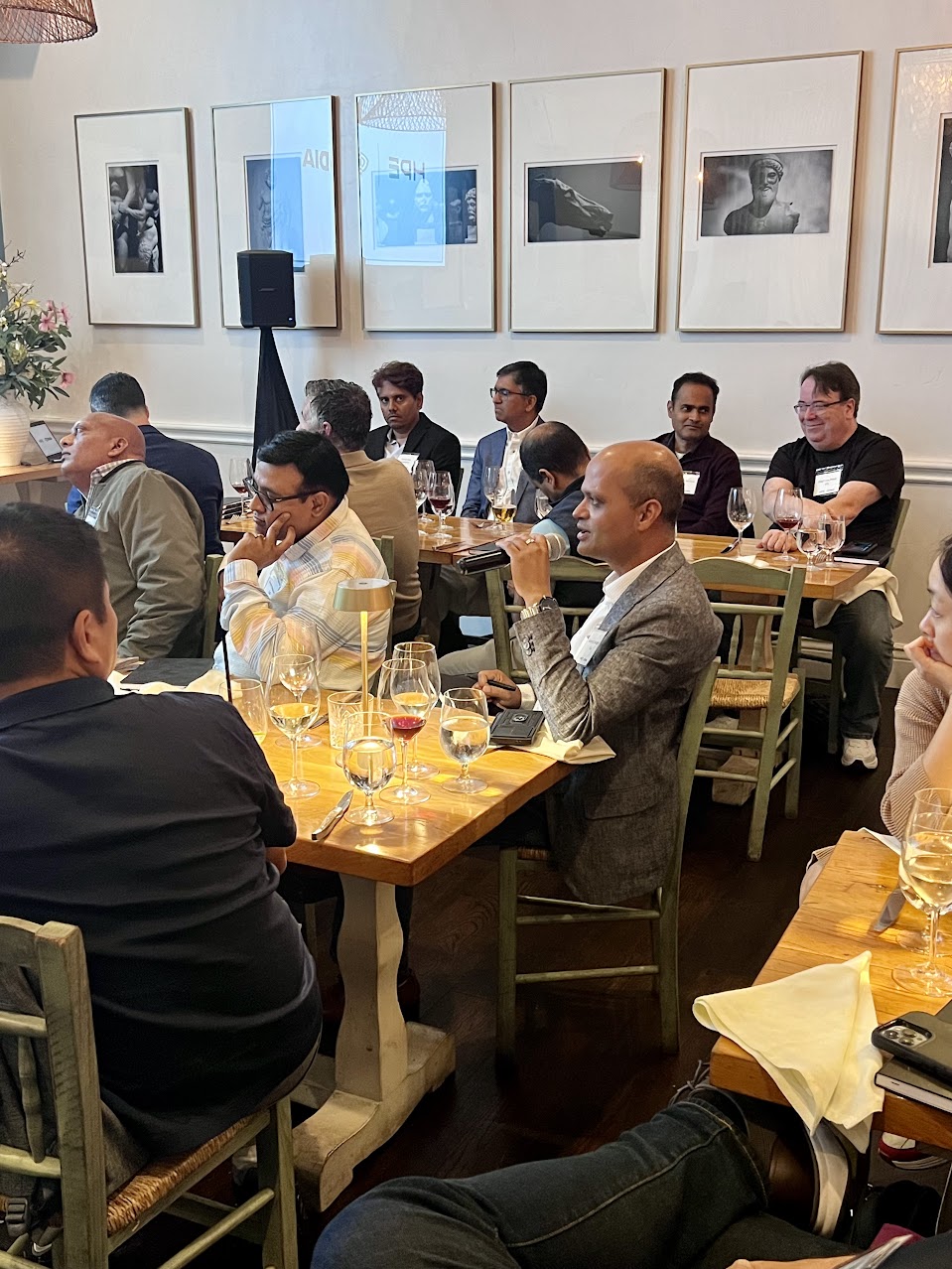
Technology, financial services, healthcare, aviation, government, and consumer brands came together to exchange practical perspectives on moving agentic AI into production.

Salesforce
ServiceNow
NVIDIA
Synopsys Inc.
Ericsson, Inc.
Roche
DoorDash
Zscaler
Nokia
San Francisco International Airport
Coupang
Equinix
Visa
County of Santa Clara
Intuit
Gilead Sciences
SAP
Ansys
Snap Inc.
Adobe
IFS
RBC Capital Markets
Cepheid

Event photography

From the room

Presented by

Event sponsors