
Moderator
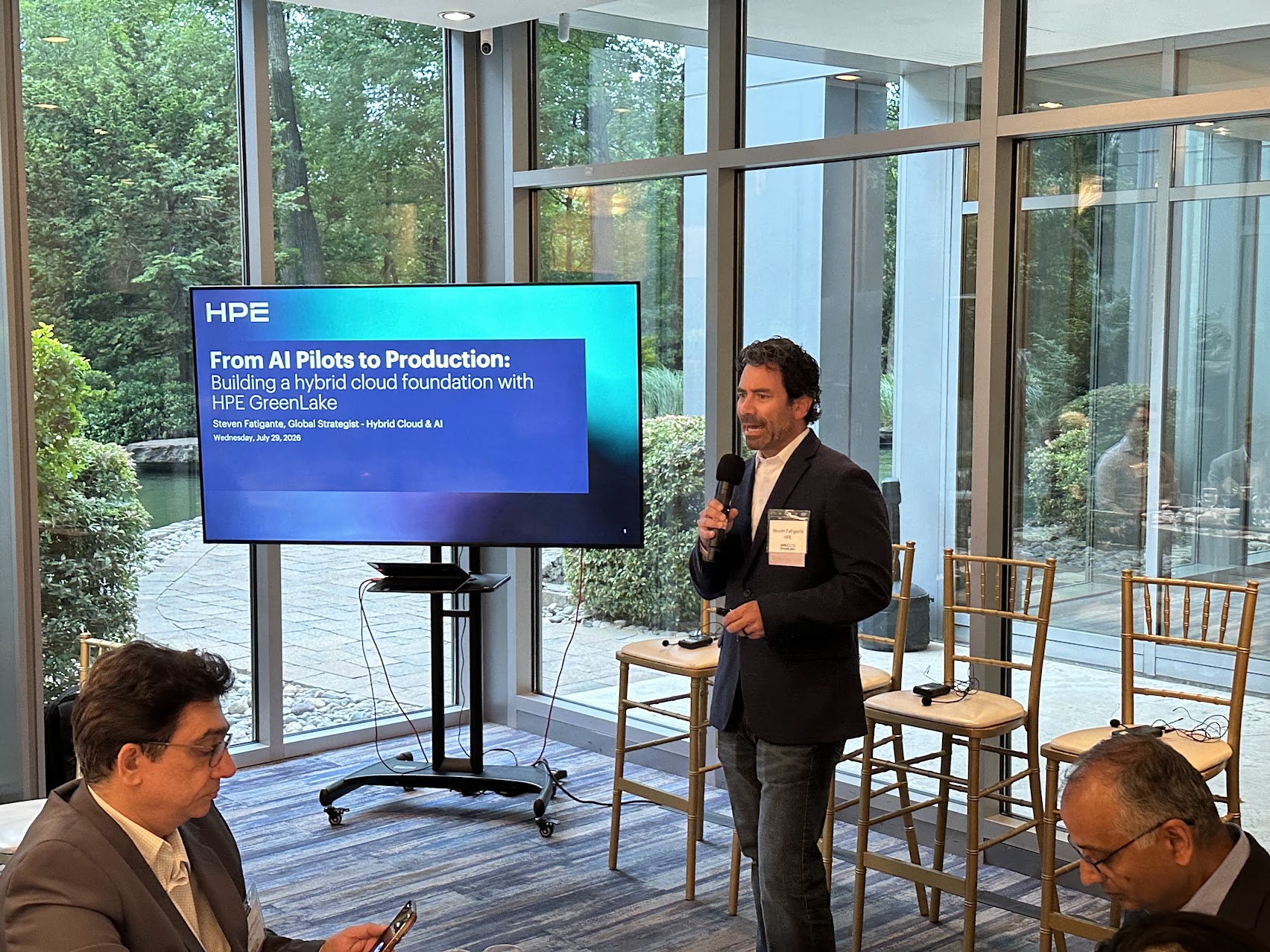
Steven Fatigante
Global Hybrid Cloud & AI Strategist
HPE


Building a Hybrid Cloud Foundation with HPE GreenLake.
Executive summary
Enterprise AI is moving from isolated experimentation toward a more autonomous operating model built around agents, shared data, and coordinated workflows.
Enterprise AI is moving from isolated experimentation toward a more autonomous operating model built around agents, shared data, and coordinated workflows. The discussion emphasized that this transition is not primarily a technology challenge. It requires organizations to standardize tools, reduce shadow AI, redesign operating processes, and create the security and governance structures needed to move safely from sandbox environments into production.
A central tension is the need to balance experimentation with control. AI teams need enough freedom, infrastructure, and budget to explore new approaches, but businesses increasingly expect measurable returns within 12 to 18 months. Successful initiatives connect AI investments to faster delivery, lower operating costs, improved customer outcomes, or stronger risk management rather than focusing on models, tokens, or technical novelty.
The conversation also highlighted emerging operational challenges that will become more important as agents gain autonomy. Enterprises need visibility into which agents exist, what systems and data they can access, how much they cost, and whether their outputs remain reliable. At the same time, roles across engineering, product, operations, security, and leadership are becoming more fluid, increasing demand for professionals who can understand the business problem and guide AI-enabled solutions from end to end.
Moderator & panel
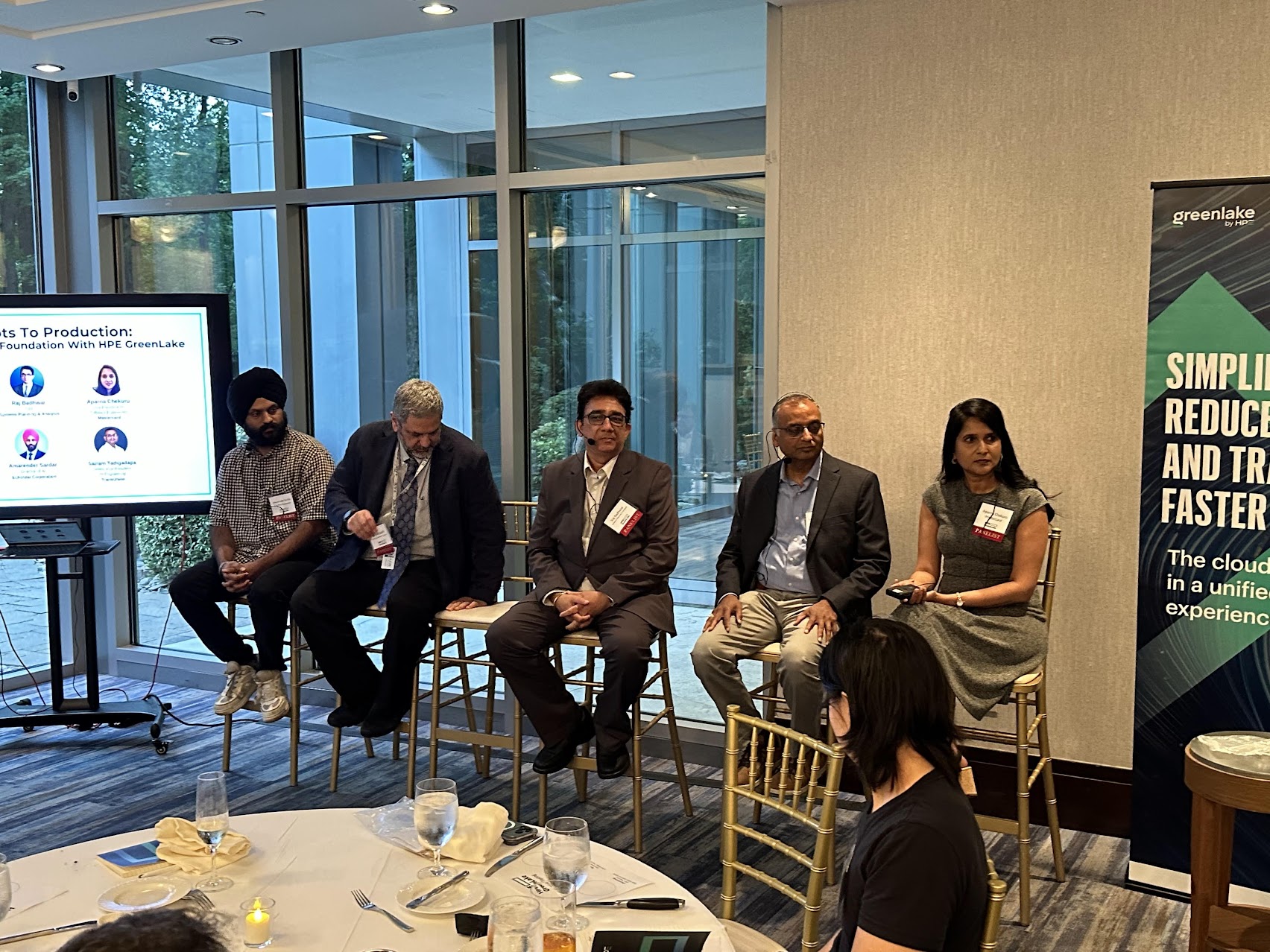
The panel explored how enterprises can move from isolated AI experiments toward coordinated agents, governed access, sustainable economics, and end-to-end operating models.
Global Hybrid Cloud & AI Strategist

CIO

Vice President of Software Engineering

Chief Technology Officer

Director of AI

Senior Vice President of Engineering
Key themes
The conversation consistently returned to five requirements for moving from isolated AI tools toward a durable enterprise operating model.
Organizations are moving beyond individual tools toward coordinated agents that participate directly in business and technology workflows.
Teams need room to explore, but AI investments must demonstrate near-term value and avoid uncontrolled infrastructure or token costs.
Companies need centralized visibility into agents, models, identities, permissions, activity, and access to enterprise systems.
Unstructured, duplicated, outdated, or conflicting information limits the accuracy of AI systems and creates new governance challenges.
AI is blurring traditional functional boundaries and increasing the value of business judgment, architecture, creativity, and end-to-end problem solving.
Actionable takeaways
These actions translate the discussion into practical decisions for technology, data, security, operations, product, and business leaders.
Define the operating model, ownership structure, standards, and shared platforms required to support AI across the organization.
Give employees and researchers the freedom to test new approaches without exposing sensitive data or creating unmanaged production systems.
Require teams to connect requests for more compute, storage, or tokens to lower costs, faster delivery, improved revenue, or reduced risk.
Route model, agent, and MCP activity through a centralized layer that provides discovery, monitoring, access control, cost visibility, and performance data.
Assign each agent an approved identity, authentication method, owner, permissions, and defined access-control boundaries.
Preapprove common use cases and escalate only agents that request unusual permissions, consume excessive resources, or perform high-risk actions.
Keep people involved when agents move outside established patterns, access sensitive systems, or make decisions with material business impact.
Identify outdated, inconsistent, duplicated, or low-quality content before making enterprise knowledge available through AI tools.
Clearly distinguish authoritative source data from AI-generated conclusions so users know when additional validation is required.
Use automated processes to identify inconsistencies, prioritize recent information, track provenance, and improve retrieval quality over time.
Using AI during development may create significant productivity gains, but applying token-based models to every production transaction can make costs unsustainable.
Bring product, engineering, customer experience, security, data, and operations together to solve business problems rather than preserving narrow functional boundaries.
Senior leaders do not need to build agents themselves, but they must understand the technology, economics, risks, and architecture well enough to guide investment decisions.
Strengthen security as autonomous agents, easier access to advanced tools, and increasingly physical AI systems create new vulnerabilities.
Event moments
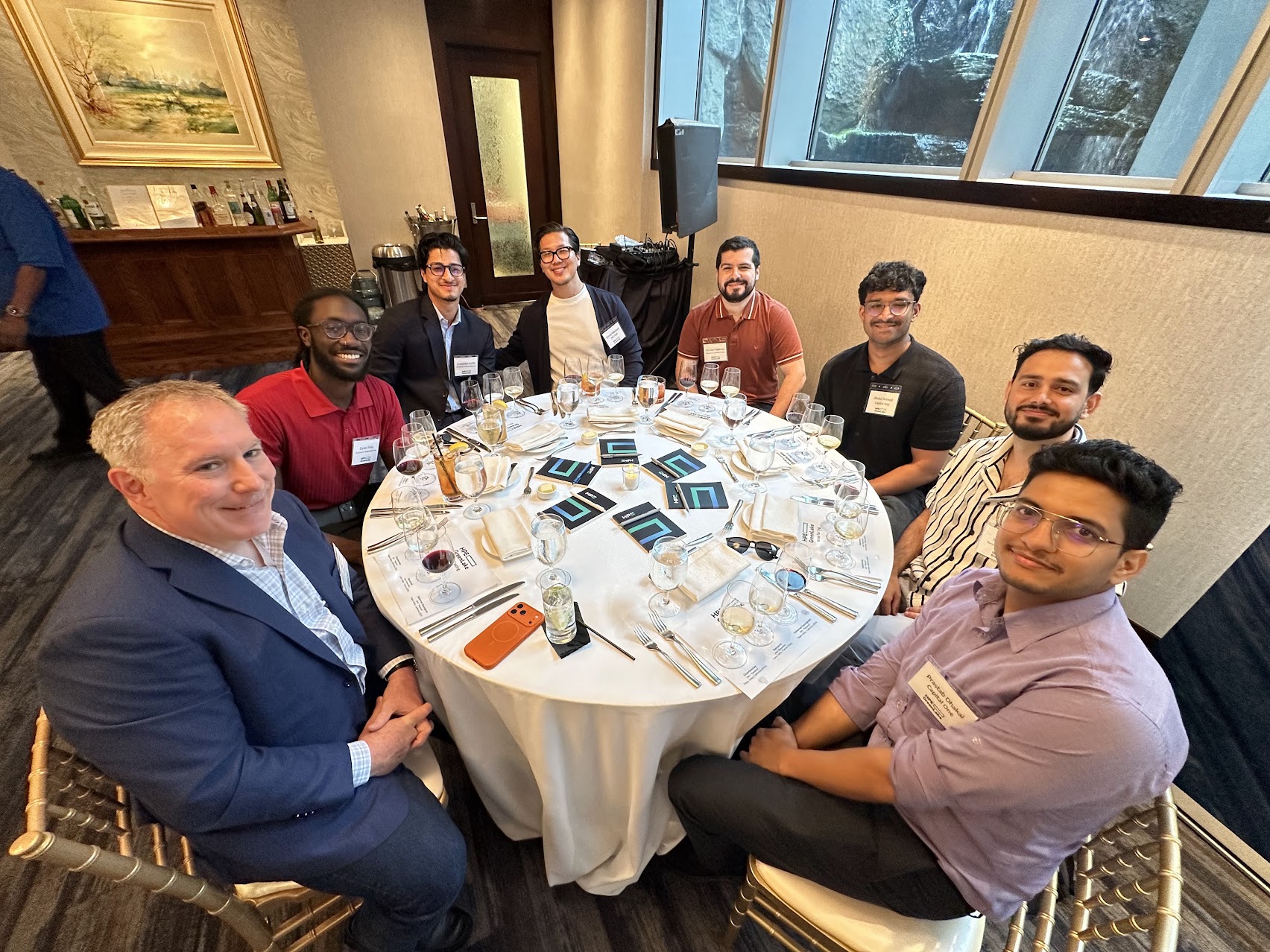
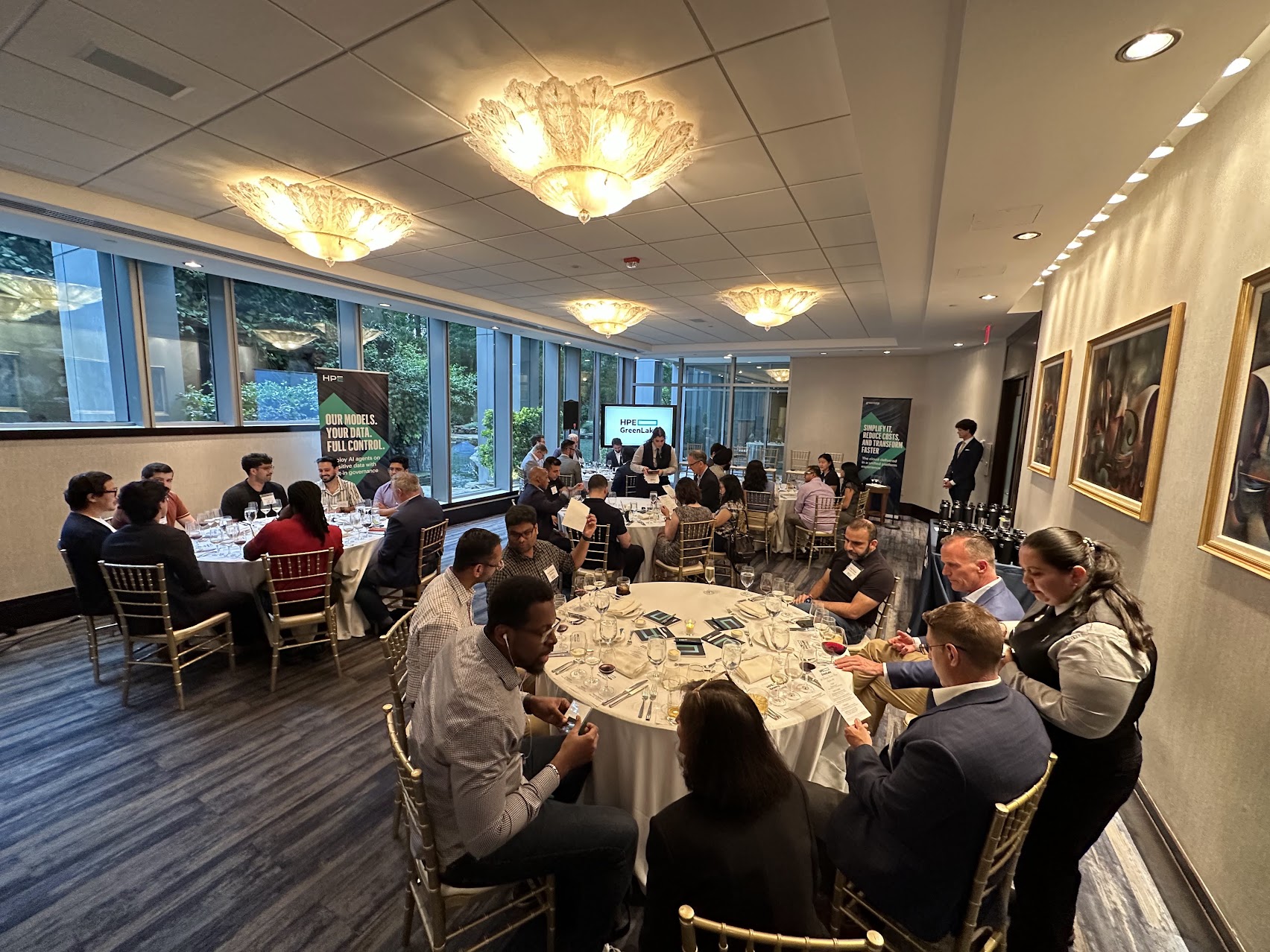
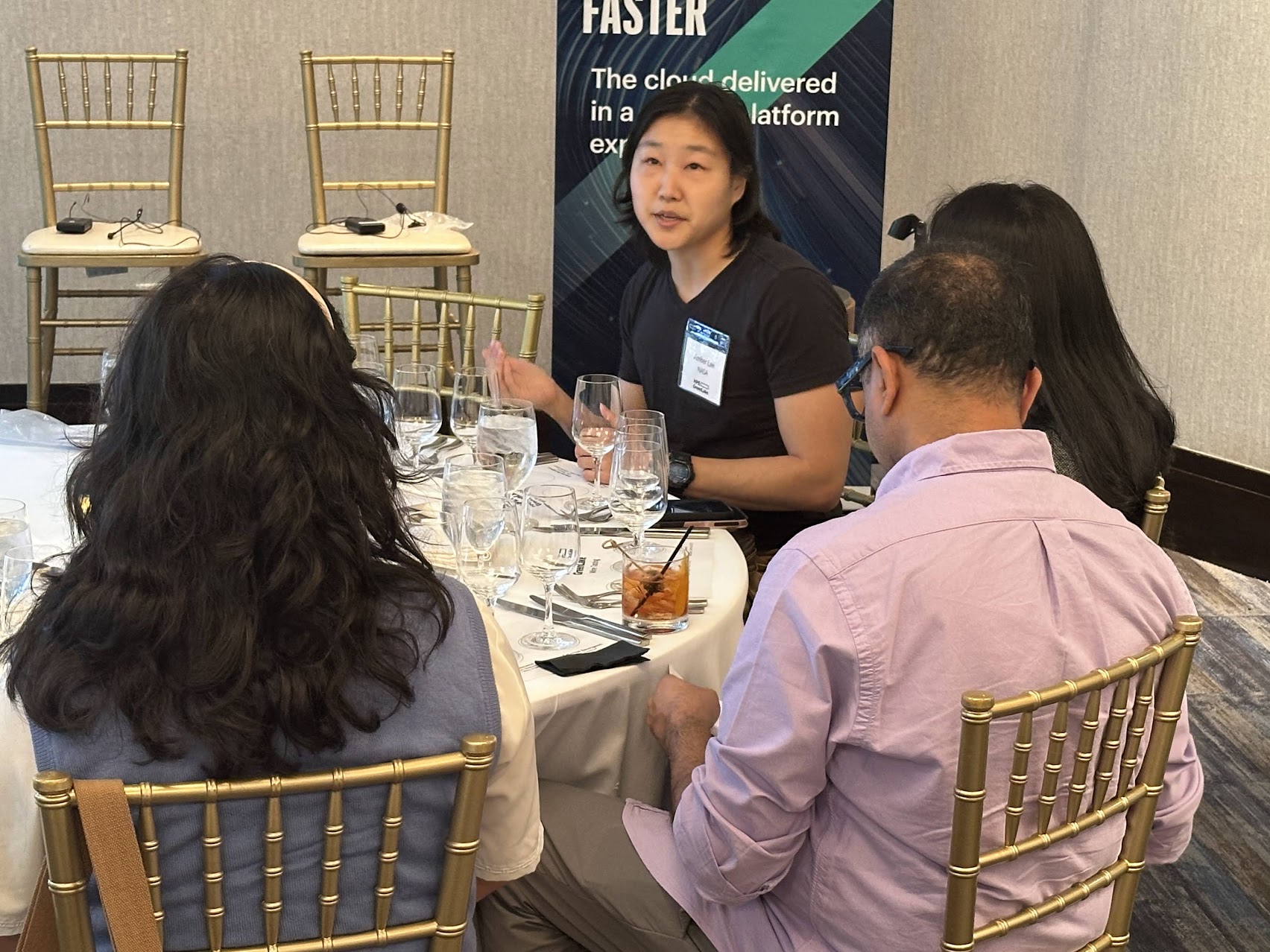
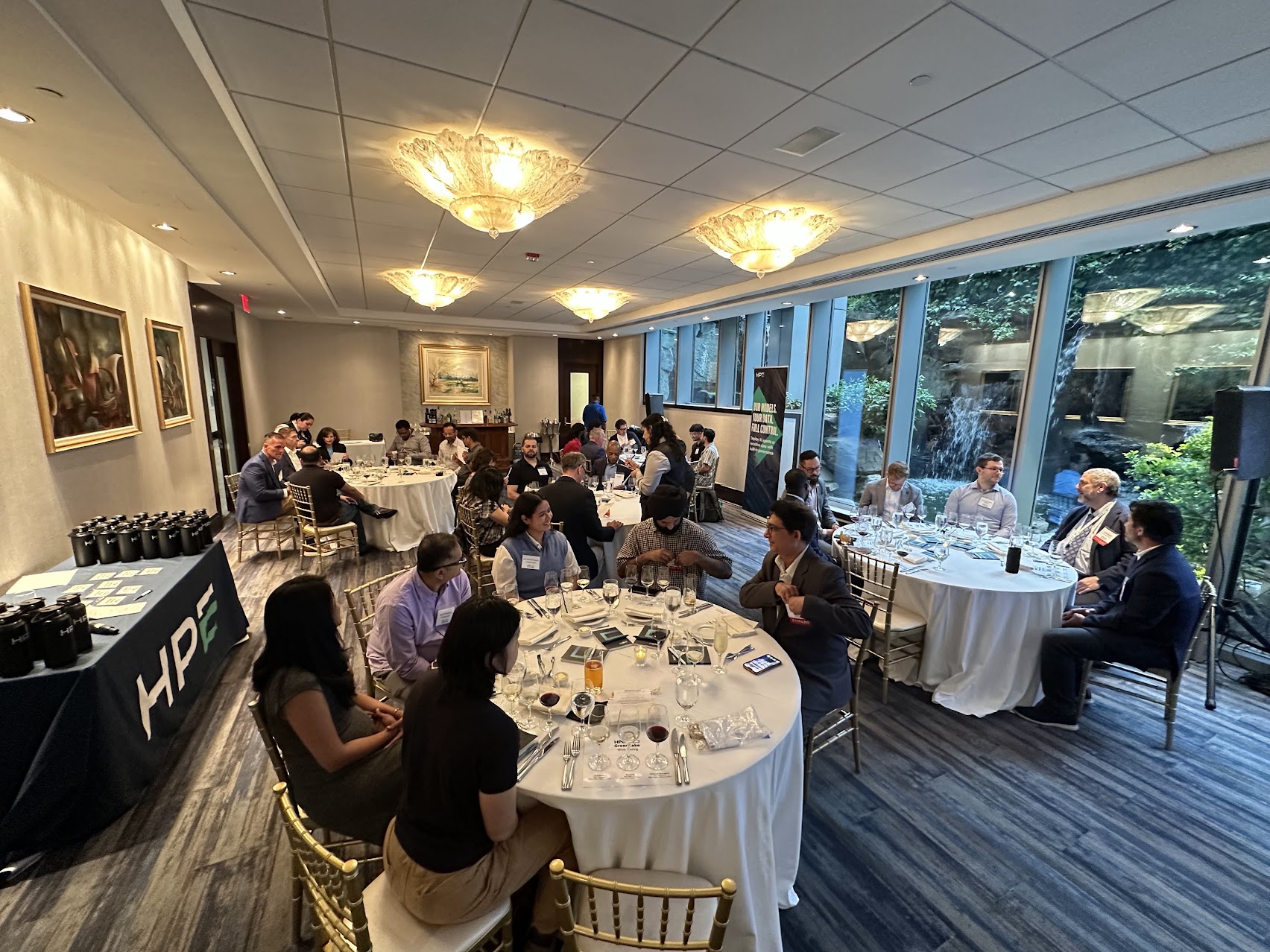
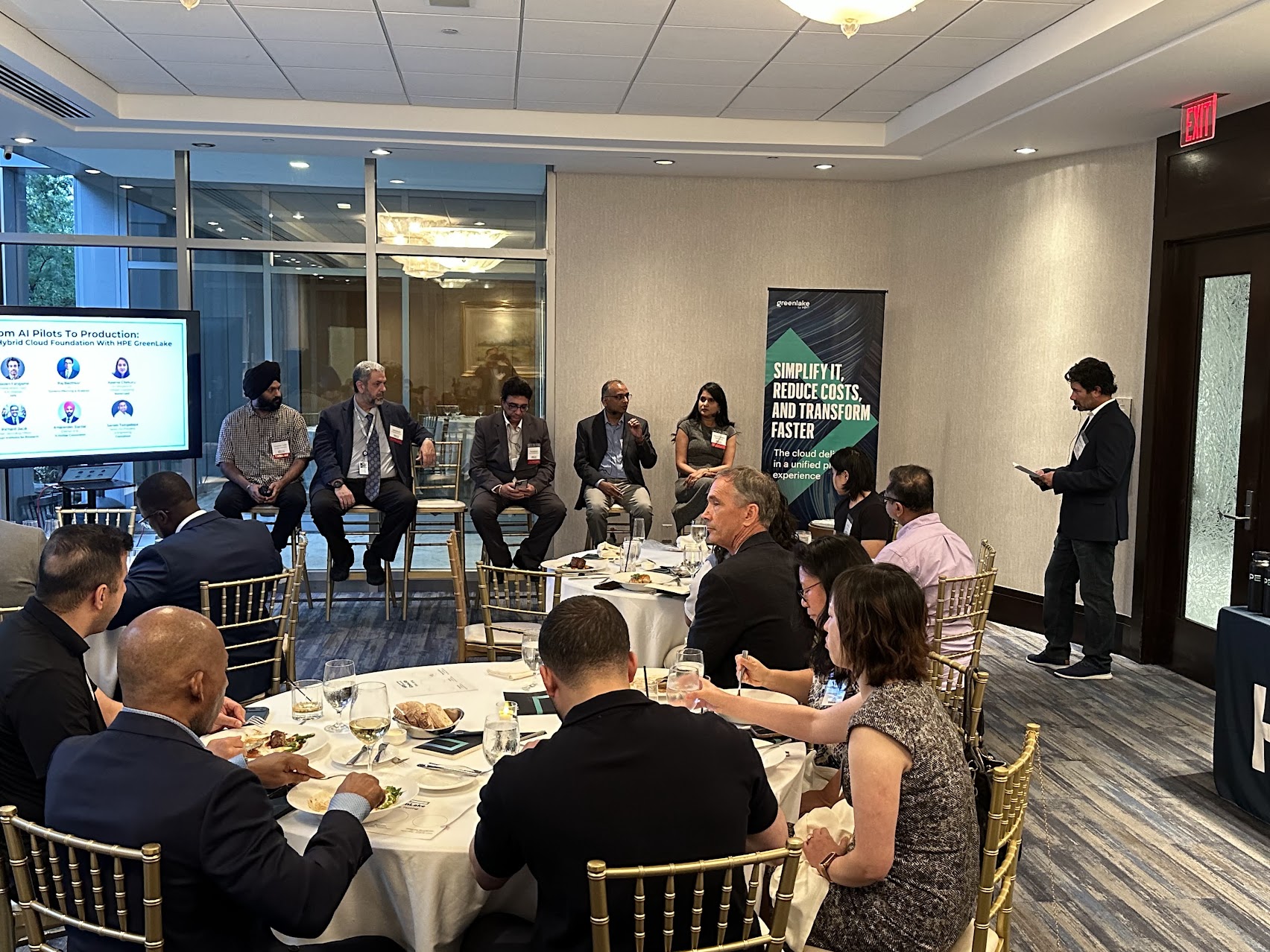
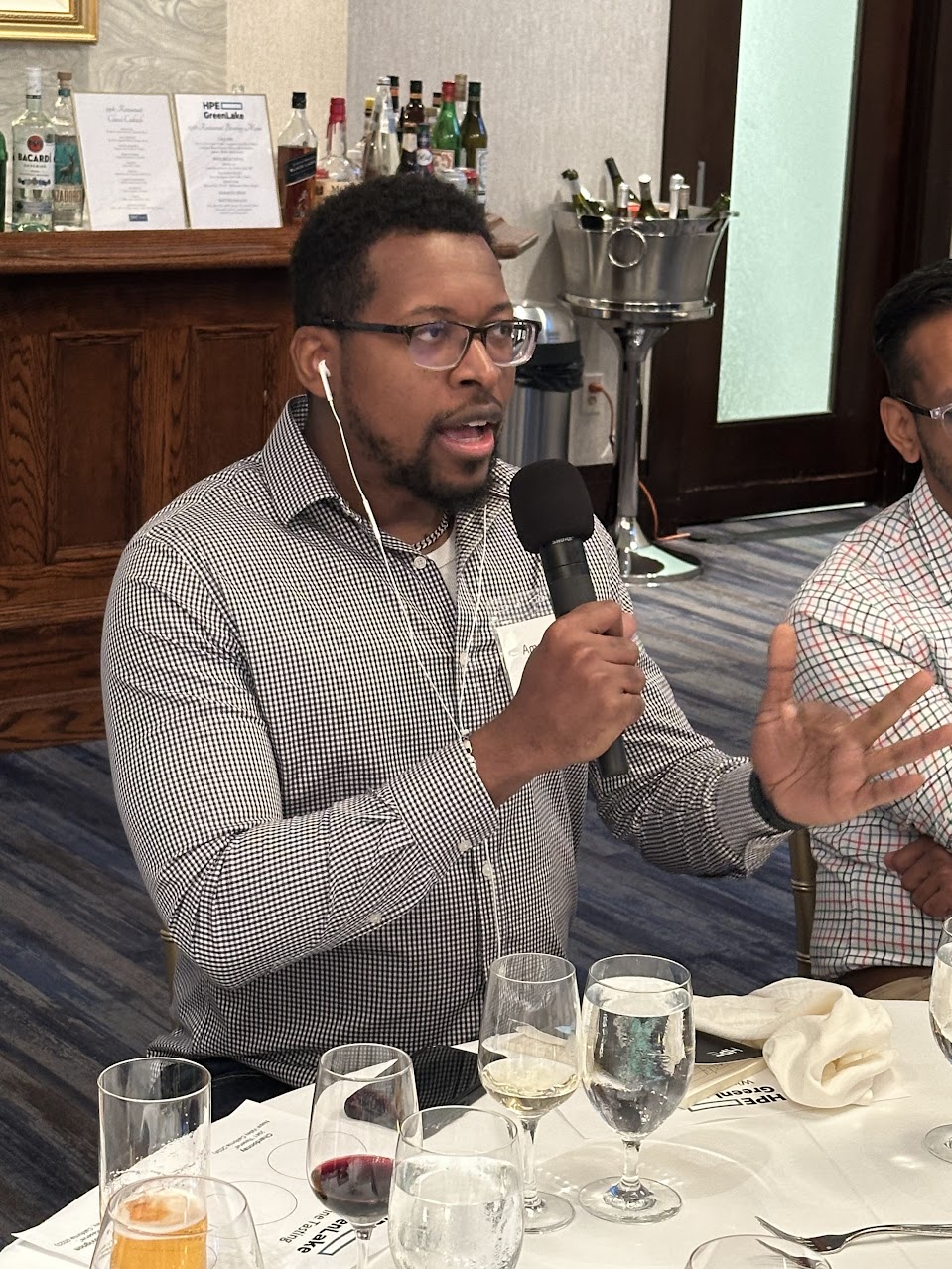
The evening combined executive networking, architectural perspectives, and a moderated panel focused on agents, governance, enterprise data, security, and sustainable AI economics.





Event sponsor
Unlock your organization’s next phase of innovation with HPE GreenLake, the edge-to-cloud platform designed for the AI era. HPE GreenLake brings cloud agility to applications and data wherever they live, combining scalable infrastructure, built-in security, and intelligent operations. With deep expertise across AI, cloud, and networking, HPE helps enterprises turn data into insight, improve performance, and operate with greater speed and control. Backed by decades of innovation, HPE GreenLake enables organizations to modernize, scale, and lead with confidence.
Learn more about HPE GreenLake ↗