 Moderator


Post-Event Recap
Building the Enterprise AI Factory: From Experimentation to Execution
An executive conversation on what has to change inside the organization — operating models, governance, data context, and team design — to make enterprise AI repeatable, scalable, and operationally useful.
Executive summary
What leaders are working through now
The discussion moved past the familiar conversation about AI pilots and focused on what must change inside the organization for AI to become a repeatable, operational capability.
Enterprise leaders are moving beyond the familiar conversation of AI pilots and focusing on what must change inside the organization to make AI repeatable, scalable, and operationally useful. The discussion emphasized that AI does not scale through technology alone. It requires new operating models, stronger governance, better data context, cross-functional teams, and clear decision-making rhythms that connect AI initiatives to measurable business outcomes.
A recurring theme was that organizations are beginning to treat AI less as an innovation project and more as a core business capability. Successful companies are building reusable systems instead of one-off solutions, forming teams around outcomes rather than isolated experimentation, and embedding AI into existing software development, customer support, privacy, and operational workflows. However, many enterprises still struggle to measure productivity gains, prioritize use cases, and determine which initiatives deserve production-level investment.
The conversation also reinforced the continuing importance of human expertise. AI can accelerate coding, testing, service workflows, and knowledge work, but humans remain essential for judgment, context, architecture, governance, and accountability. As AI becomes more capable, organizations will need to rethink how they train junior talent, preserve institutional knowledge, and prepare employees to supervise increasingly autonomous systems.
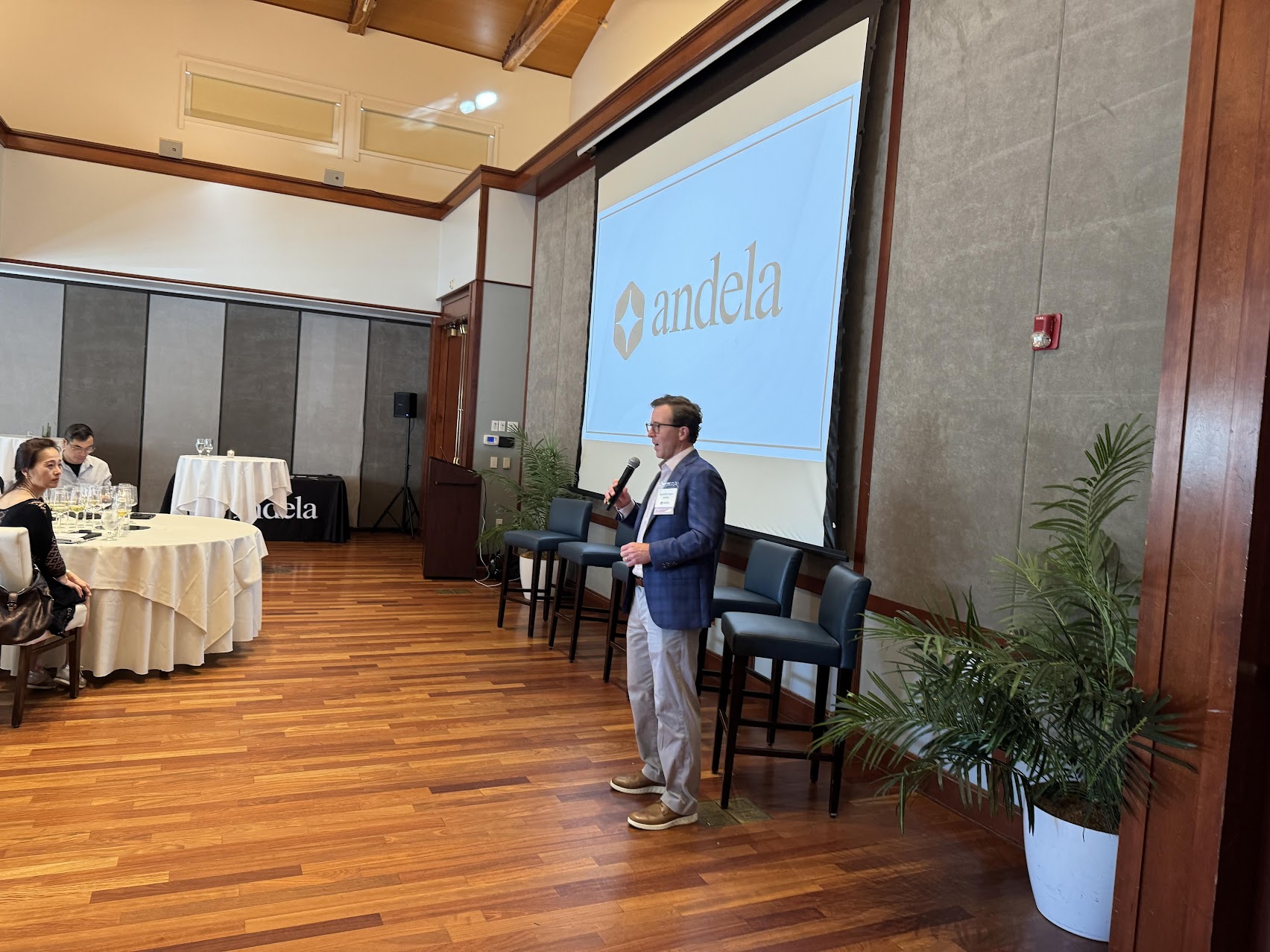
Moderator and panel
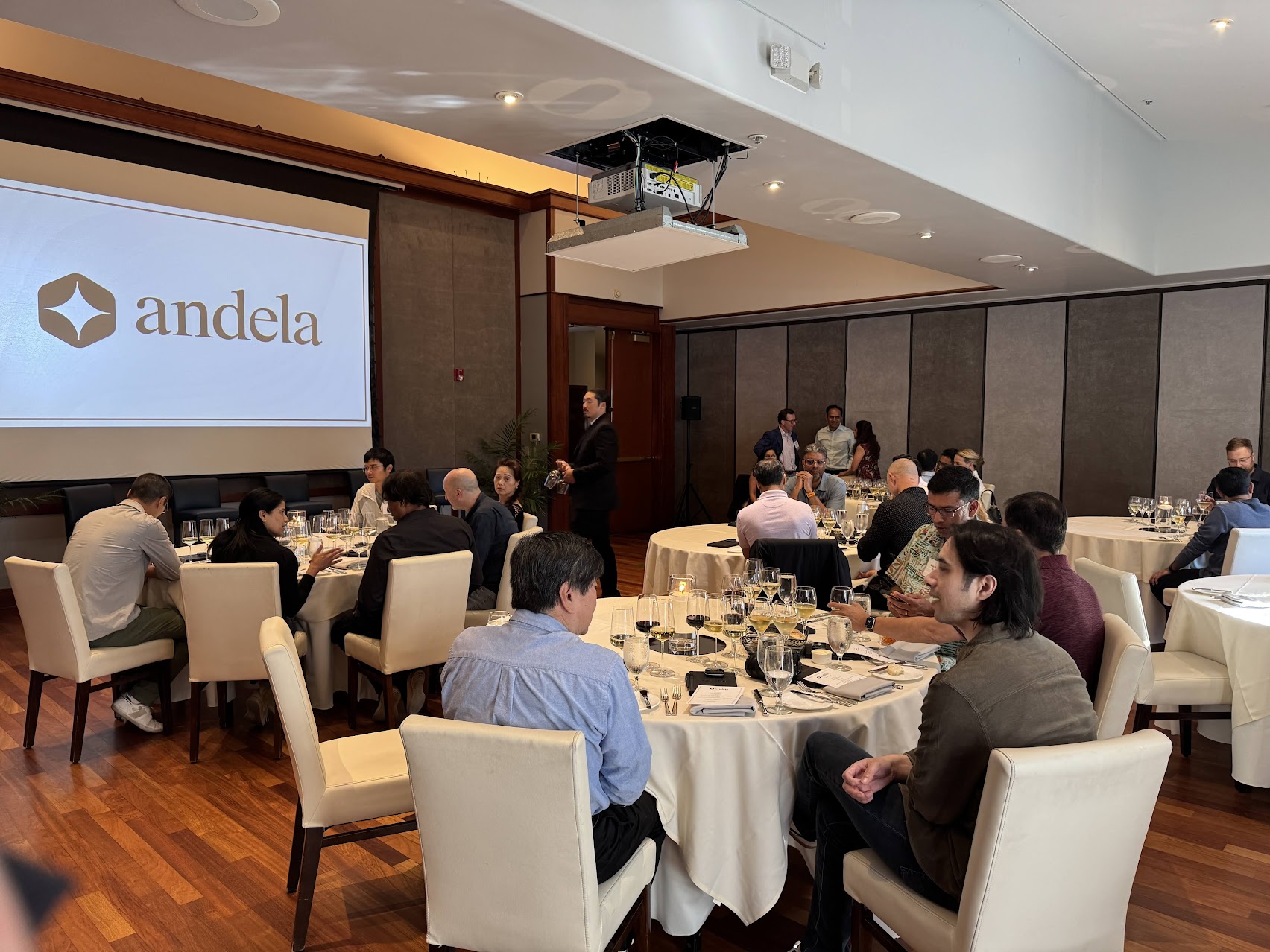
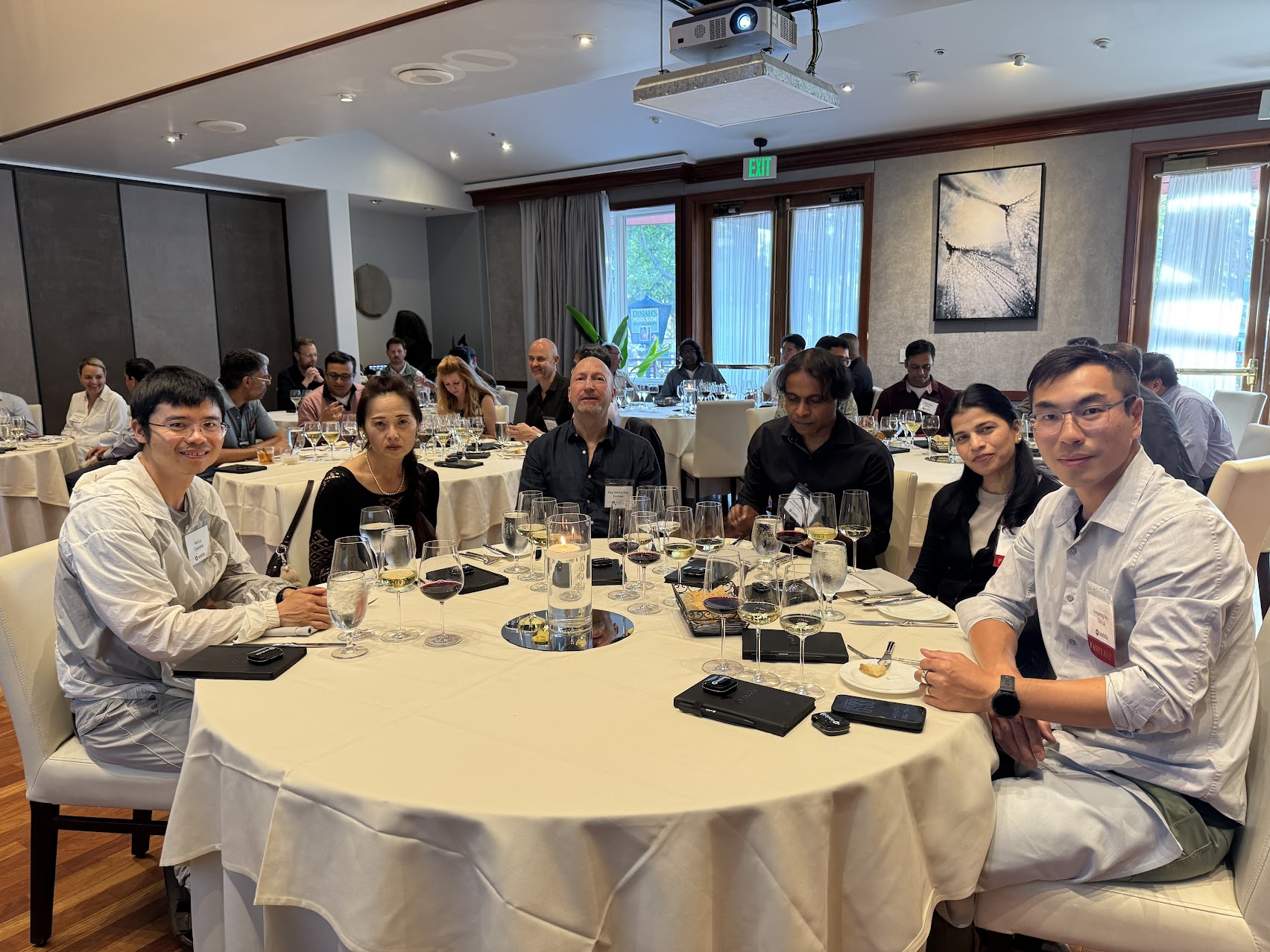
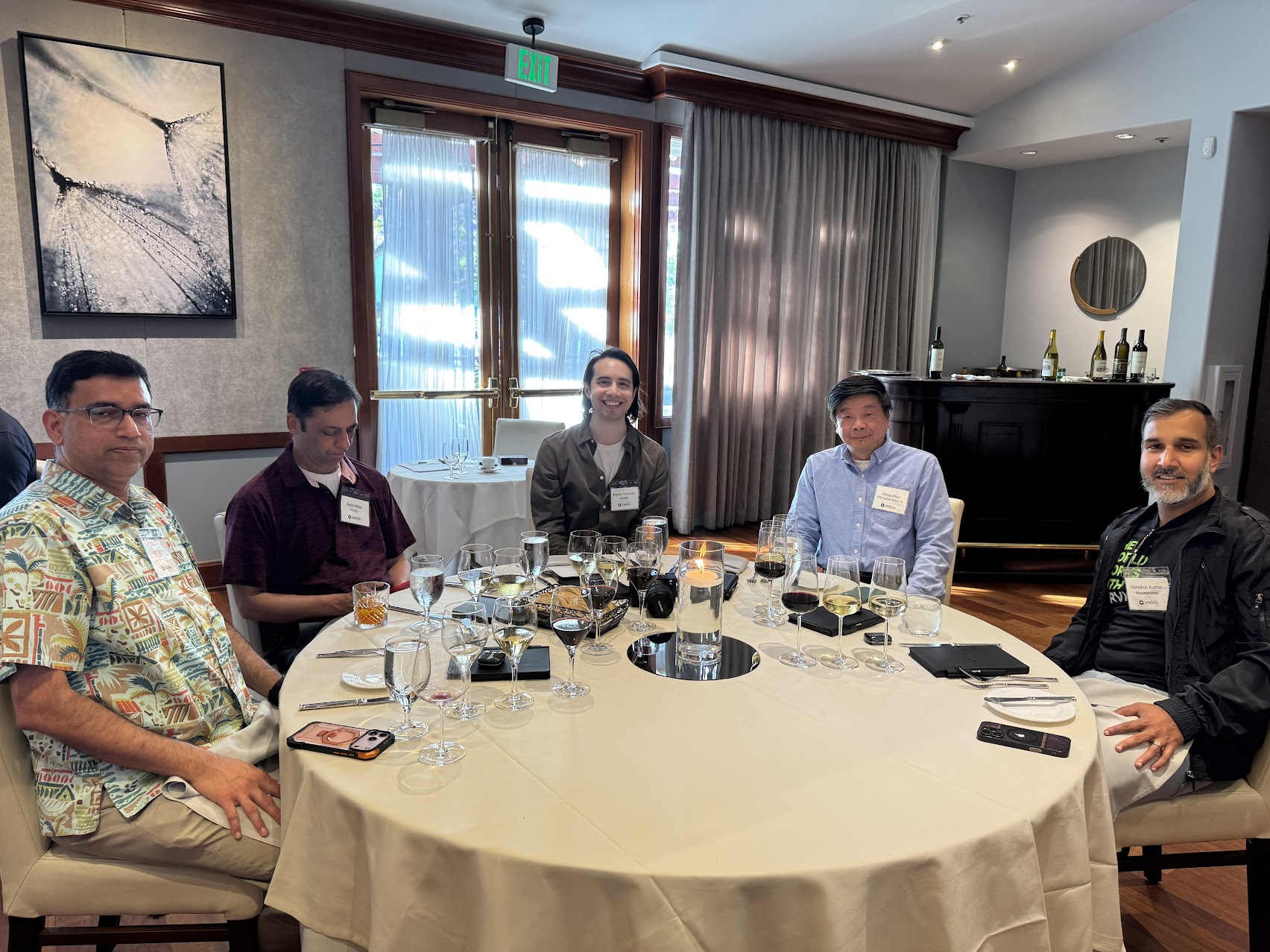
Perspectives from the room
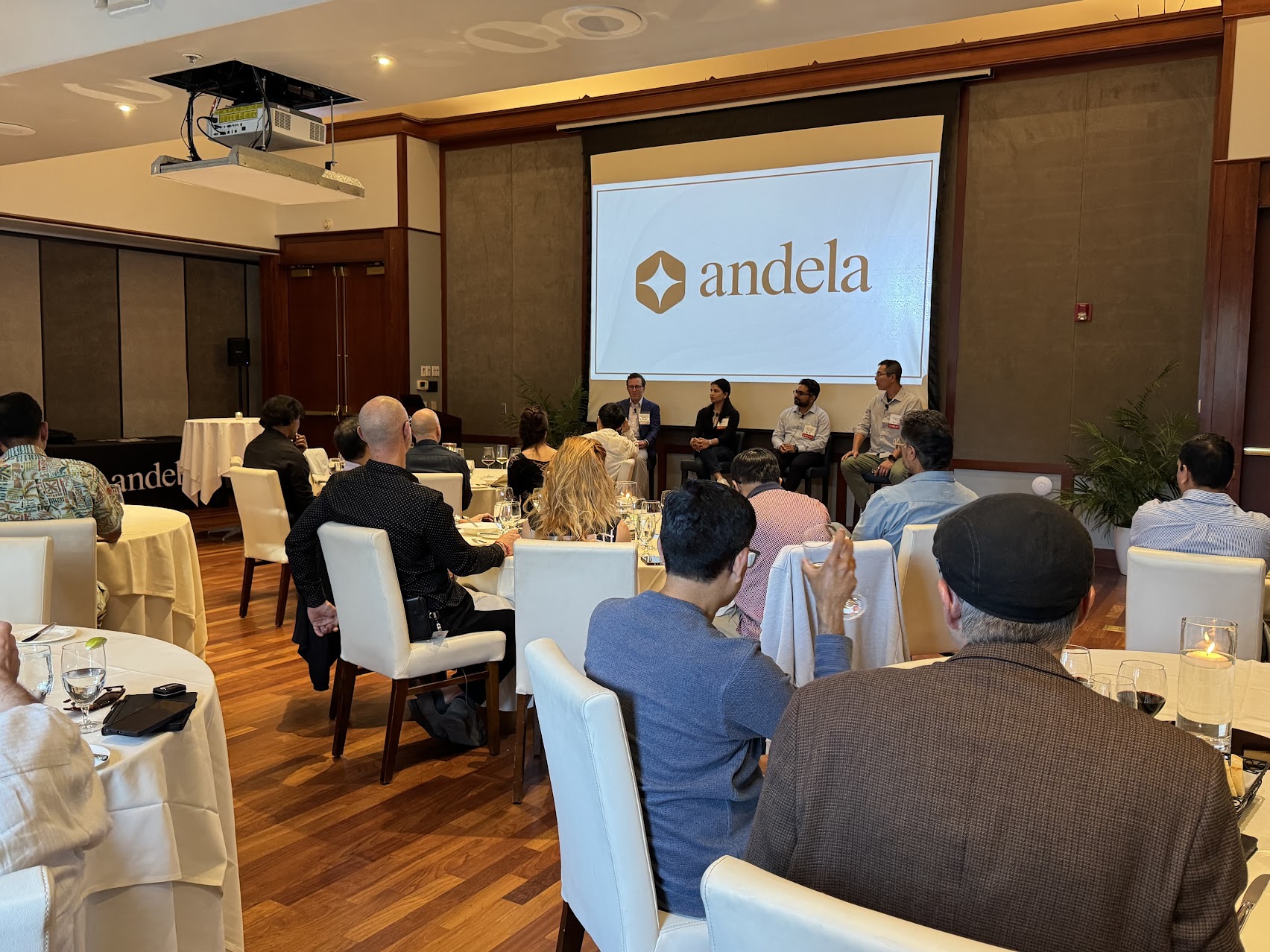
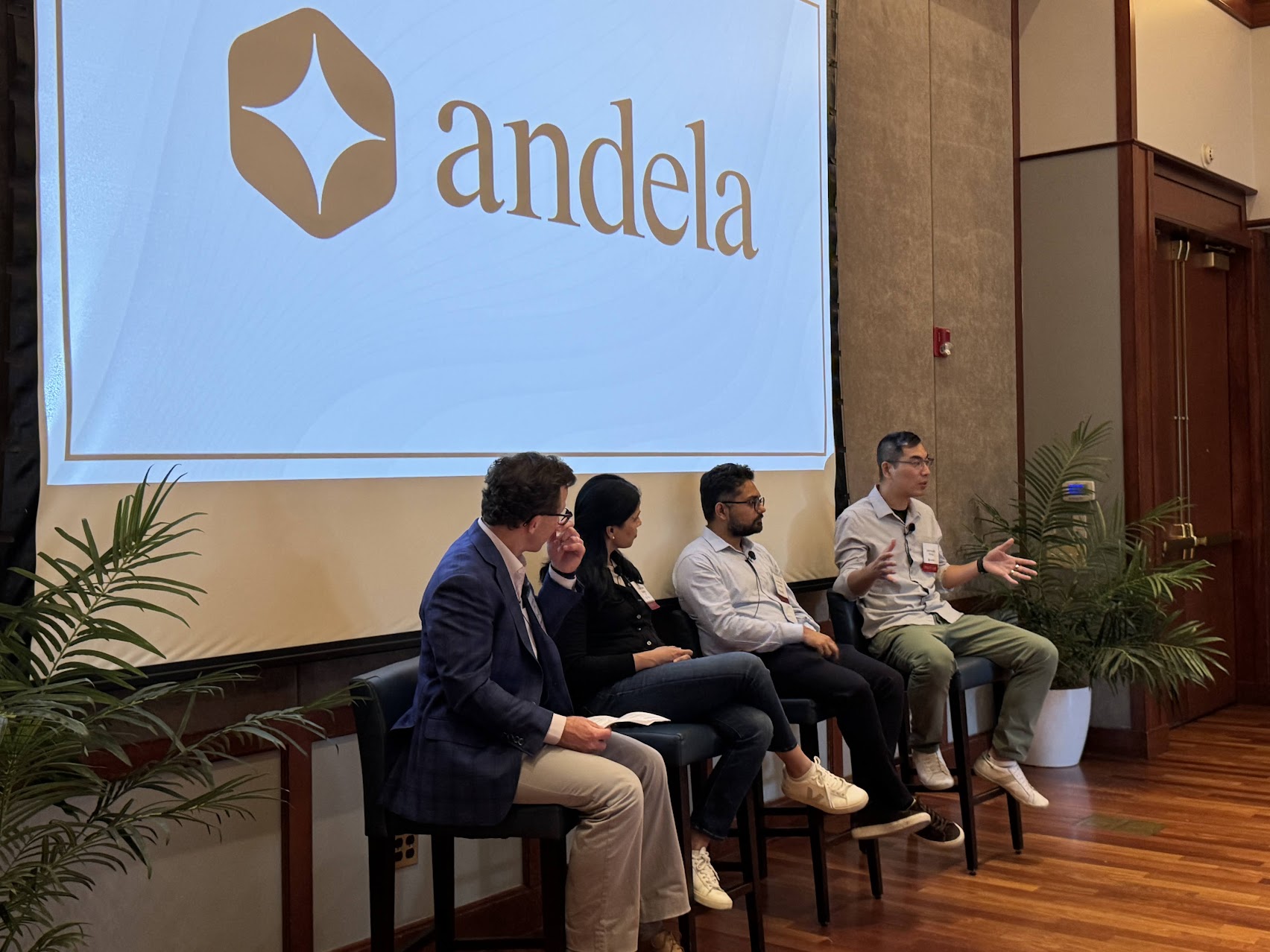
The panel brought together AI solutions, machine learning, engineering, and privacy leaders from Andela, RingCentral, Kinship, and TikTok.



Key themes
What turns AI into an operating capability
Five ideas consistently shaped the discussion: operating capacity, governance as an enabler, human readiness, value-based prioritization, and the future of human-in-the-loop work.
01
From AI pilots to operating capacity
Organizations making progress are moving away from isolated experiments and toward repeatable AI systems that support multiple use cases across the business.
02
AI governance as an enabler of scale
Governance should not function as a blocker. When designed well, it creates clarity, confidence, and repeatable guardrails that help teams deploy AI faster and more safely.
03
Human readiness and organizational adoption
The limiting factor is often not the model or tooling, but whether teams understand how to use AI, trust its outputs, and adapt their workflows around it.
04
Prioritization based on business value
Enterprises face pressure to pursue many AI use cases at once, but production investment should be reserved for initiatives with clear value, operational feasibility, and repeatable impact.
05
The future of human-in-the-loop work
As AI takes on more execution tasks, organizations must still develop people who understand systems deeply enough to supervise, question, and guide AI outputs.
Actionable takeaways
What enterprise leaders can do next
These actions translate the discussion into practical decisions for business, product, engineering, data, governance, and talent teams.
Build AI platforms, not one-off solutions
Design systems that can support multiple use cases, business units, and workflows rather than building isolated pilots that are difficult to scale.
Organize teams around outcomes
Bring together engineering, business, governance, and domain experts around measurable business problems instead of separating AI into standalone innovation groups.
Define governance before production deployment
Establish clear guardrails, evaluation criteria, risk thresholds, and approval paths so teams know what is allowed and how to move forward.
Measure value beyond tool usage
Track business outcomes, cycle-time improvements, quality gains, deployment velocity, customer impact, and risk reduction rather than relying only on usage metrics.
Avoid misleading productivity metrics
Lines of code, pull requests, or tool logins can create the wrong incentives. Measure end-to-end delivery impact instead.
Prioritize use cases with repeatable value
Invest in AI initiatives that solve meaningful business problems, can be operationalized in real workflows, and can be extended across teams or functions.
Strengthen the organizational context layer
Improve knowledge management, documentation, data quality, and internal context so AI systems can produce more reliable and relevant outputs.
Embed AI into development and delivery workflows
Integrate AI into CI/CD, testing, monitoring, feedback loops, and production processes rather than treating it as a separate layer.
Use AI for governance where appropriate
Apply AI to improve compliance monitoring, privacy protection, anomaly detection, and risk evaluation, while maintaining human accountability.
Train employees to supervise AI, not just use it
Build skills in system design, critical thinking, architecture, evaluation, and domain judgment so teams can manage AI outputs effectively.
Protect junior talent development
Create training paths that allow early-career employees to build foundational expertise, even as AI automates more entry-level tasks.
Maintain human accountability for high-impact decisions
Use AI to accelerate execution, but keep humans responsible for judgment, prioritization, escalation, and final accountability in sensitive workflows.



Event sponsor
AI-native data and services for global enterprises
Andela is an AI-native data + services company, powering AI transformation for global enterprises. By combining continuous assessment and always-on upskilling, Andela helps enterprises hire and deploy AI engineers at scale, build AI solutions, and upskill teams on emerging technologies.
Andela's diverse talent ecosystem spans over 135 countries and is highly skilled in advanced technologies to support Application Development, Artificial Intelligence, Cloud & DevOps, Data Engineering, and more. The world's best brands trust Andela, including GitHub, Mastercard, and Mindshare.
Learn more about Andela ↗