
Moderator
Bridget Scott Akinc
VP of Strategy and Enablement
Envoy


Post-event recap
Building consistent controls across physical and digital environments.
Executive summary
Organizations operating in highly regulated environments are rethinking how they manage physical security, visitor access, emergency response, and compliance as workplace models become more complex.
Traditional controls such as badges, visitor logs, and property-managed systems still matter, but they are no longer enough on their own. Leaders are looking for integrated approaches that connect visitor management, identity verification, badge access, Wi-Fi activity, emergency notifications, and audit trails.
The discussion also reinforced a practical reality: stronger security has to support operational continuity. The goal is not more friction. It is clearer visibility into who is on site, where they are, what they can access, and who owns the response when something changes.
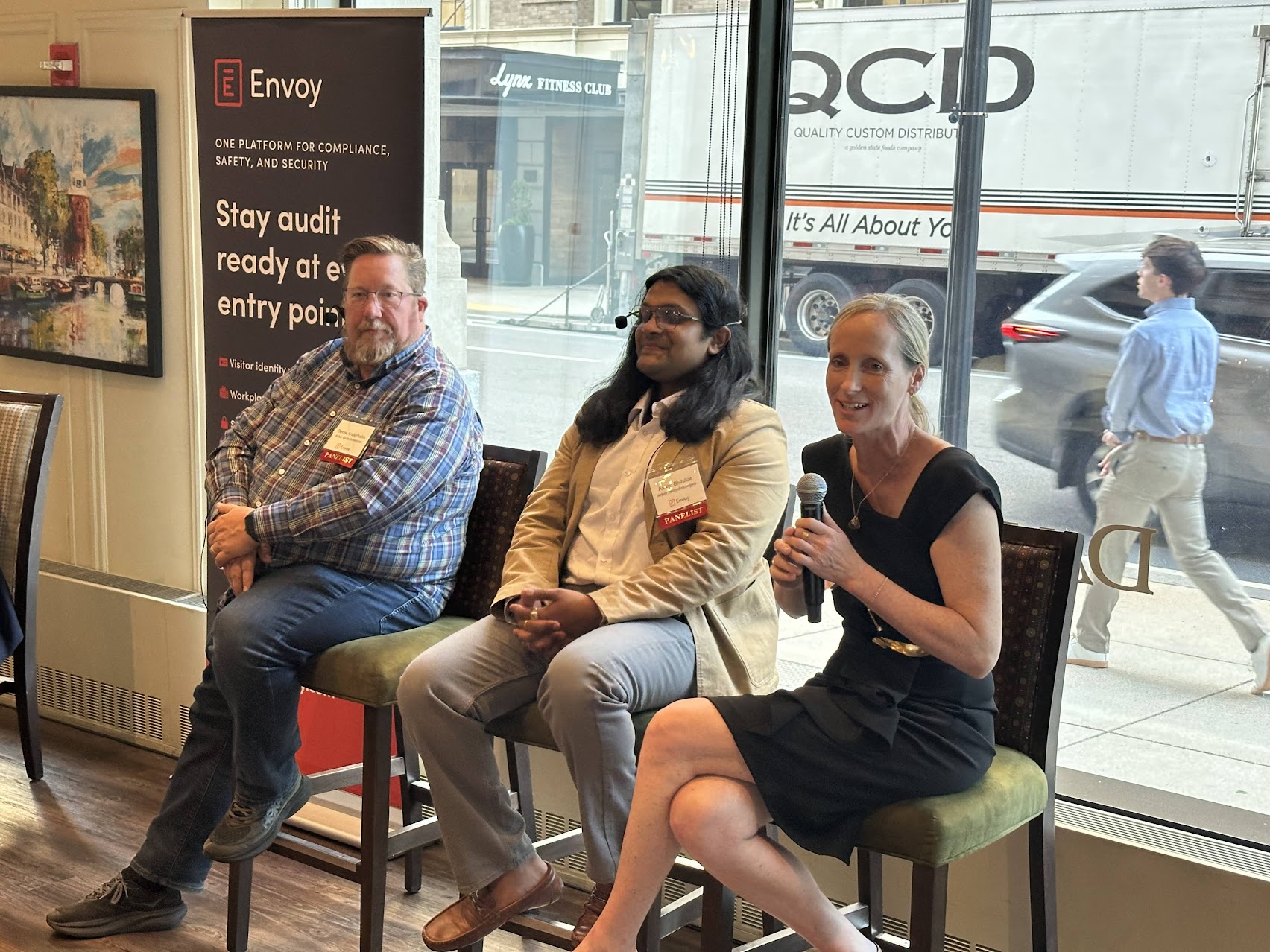
Moderator and speakers
The conversation brought together perspectives spanning workplace strategy, IT operations, facilities, laboratories, and regulated access.
Moderator
VP of Strategy and Enablement
Envoy

Speaker
IT Operations Manager
Arbor Biotechnologies

Speaker
Senior Manager – Laboratory & Facilities Services
Arbor Biotechnologies
A connected control layer
Badge activity, Wi-Fi access, identity verification, pre-registration, and system activity can work together to give workplace teams a more reliable view of who is actually present.
Key themes
The strongest themes connected physical security, compliance, identity, visitor workflows, and emergency readiness.
Access control is no longer just a facilities concern. It directly supports regulatory readiness, safety, auditability, and the protection of sensitive environments.
Organizations need visibility into guests, contractors, vendors, auditors, and temporary workers across the full visit lifecycle, not just at check-in.
Badge activity, Wi-Fi access, identity verification, pre-registration, and system logins can create a more reliable picture of who is actually on site.
Labs, GMP environments, quality control areas, clean rooms, and sensitive operational spaces require role-based access, audit trails, and clear restrictions.
During chemical incidents, fire drills, security events, or evacuations, teams need accurate visibility into who is in the building and where people should muster.
Security should create clarity, not chaos.
The discussion came back to clear ownership, accurate presence data, visitor context, and audit-ready evidence. Better controls are most useful when facilities, IT, security, and operations can all act on the same picture.
Actionable takeaways
Twelve actions leaders can use to make access, visitor management, emergency response, and compliance more consistent.
Align restricted spaces, systems, instruments, visitor workflows, badge permissions, and audit trails to the actual risk they protect.
Give front desk, facilities, security, and hosts context before a visitor arrives.
Separate employees, contractors, vendors, auditors, customers, candidates, and temporary workers.
Combine badge, Wi-Fi, directory, visitor, and identity signals to improve real-time presence awareness.
Maintain approved vendor lists and match temporary, recurring, or restricted access to business need.
Apply consistent controls across facilities so restricted individuals cannot simply re-enter through another channel.
Include the people truly on site, including visitors and contractors who may not exist in employee directories.
Use pre-event, during-event, and post-event accountability checks to confirm everyone is accounted for.
Treat chemical near misses, badge anomalies, tailgating, and visitor confusion as process-design signals.
Pair badges with identity verification, host confirmation, escorting protocols, and system-based monitoring.
Make sure facilities, IT, security, and operations know who owns each part of access and emergency response.
Capture who entered, when, who hosted them, what they accessed, and whether required approvals were completed.
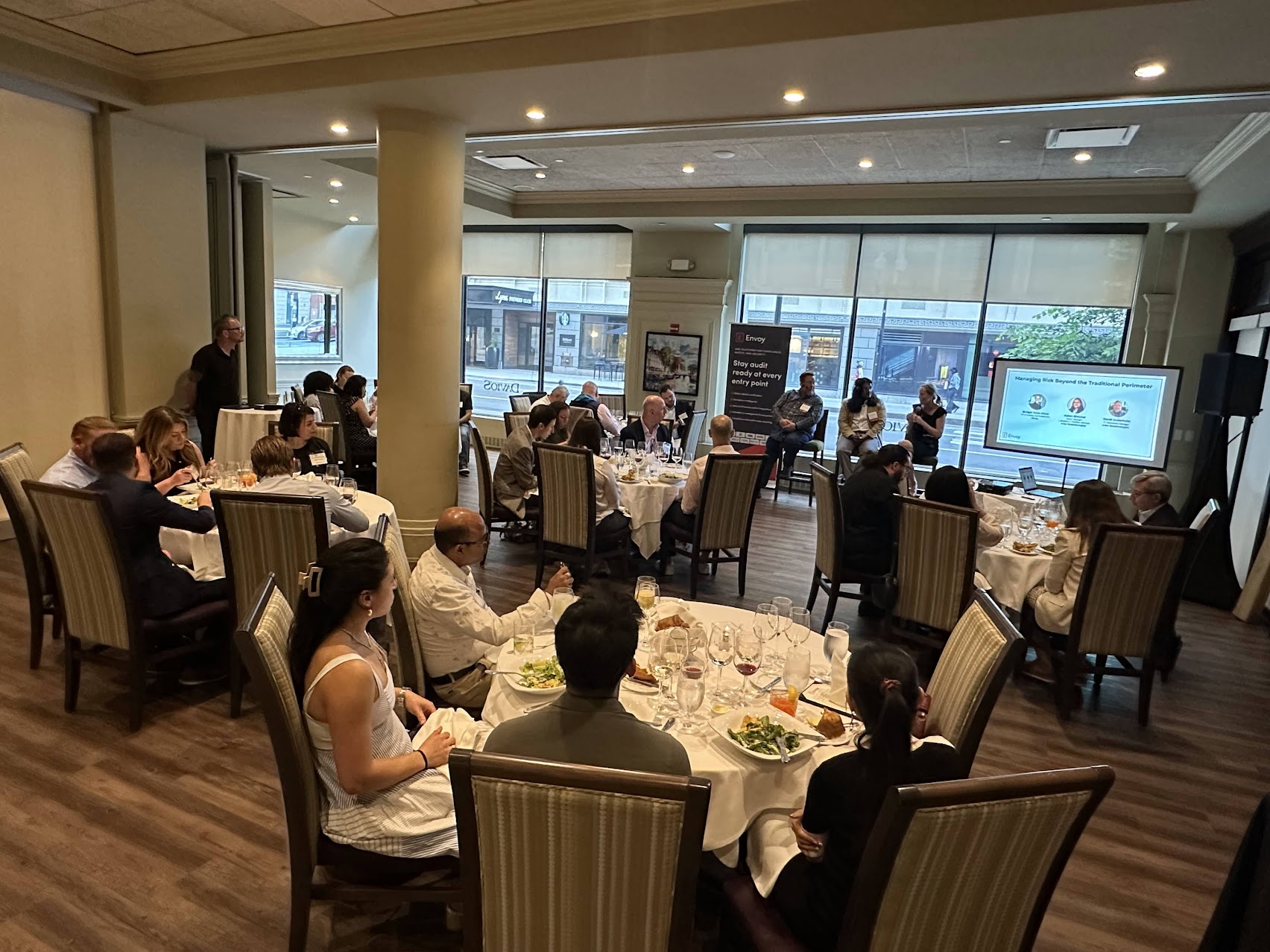
From the room







Event sponsor
Envoy helps organizations bring workplace, visitor, access, and safety workflows together so teams can create environments that are secure, welcoming, and easier to operate.
Learn more ↗