
Moderator
Matt Tverberg
Manager, Enterprise Customer Success
Envoy


Post-event recap
Building consistent controls across physical and digital environments.
Executive summary
Enterprise risk, security, and operations leaders are facing a broader and more complex threat environment where physical security, cyber risk, compliance, crisis response, and AI governance increasingly overlap. The discussion highlighted that many organizations still operate with fragmented processes, unclear ownership, and manual controls that create blind spots during high-pressure events. Whether the issue is an AI-related risk, a physical security incident, a cyberattack, or a facilities disruption, the common challenge is the same: organizations need clearer escalation paths, stronger cross-functional coordination, and better evidence that controls are working.
A major theme was the importance of preparing for real-world failure, not just documenting policies. Leaders emphasized that plans often break down when teams have not practiced them under pressure, when decision-makers are not in the same room, or when communication channels fail. Physical penetration testing, emergency notification systems, incident response exercises, and cross-organization intelligence sharing were all positioned as practical ways to expose gaps before they become critical. The conversation reinforced that resilience depends on preparation, repetition, and accountability, not assumptions.
The discussion also showed how AI is creating new governance and data protection challenges. Organizations are still learning how to manage AI inventories, define ownership, prevent sensitive data leakage, and ensure employees understand what tools can and cannot do. At the same time, traditional security fundamentals still matter: access controls, audit trails, mobile device policies, vendor risk reviews, and operational checklists remain essential. The strongest organizations will be those that modernize without losing discipline around documentation, training, and clear chain-of-command decision-making.
Moderator and panel
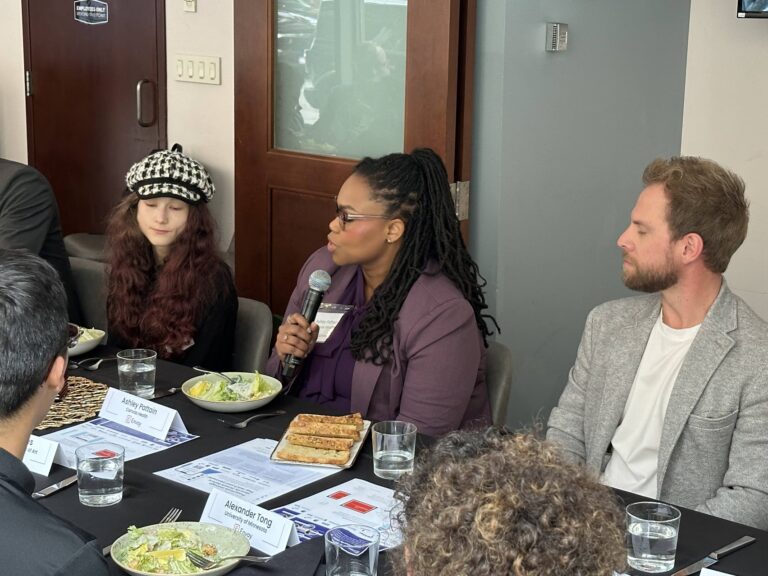
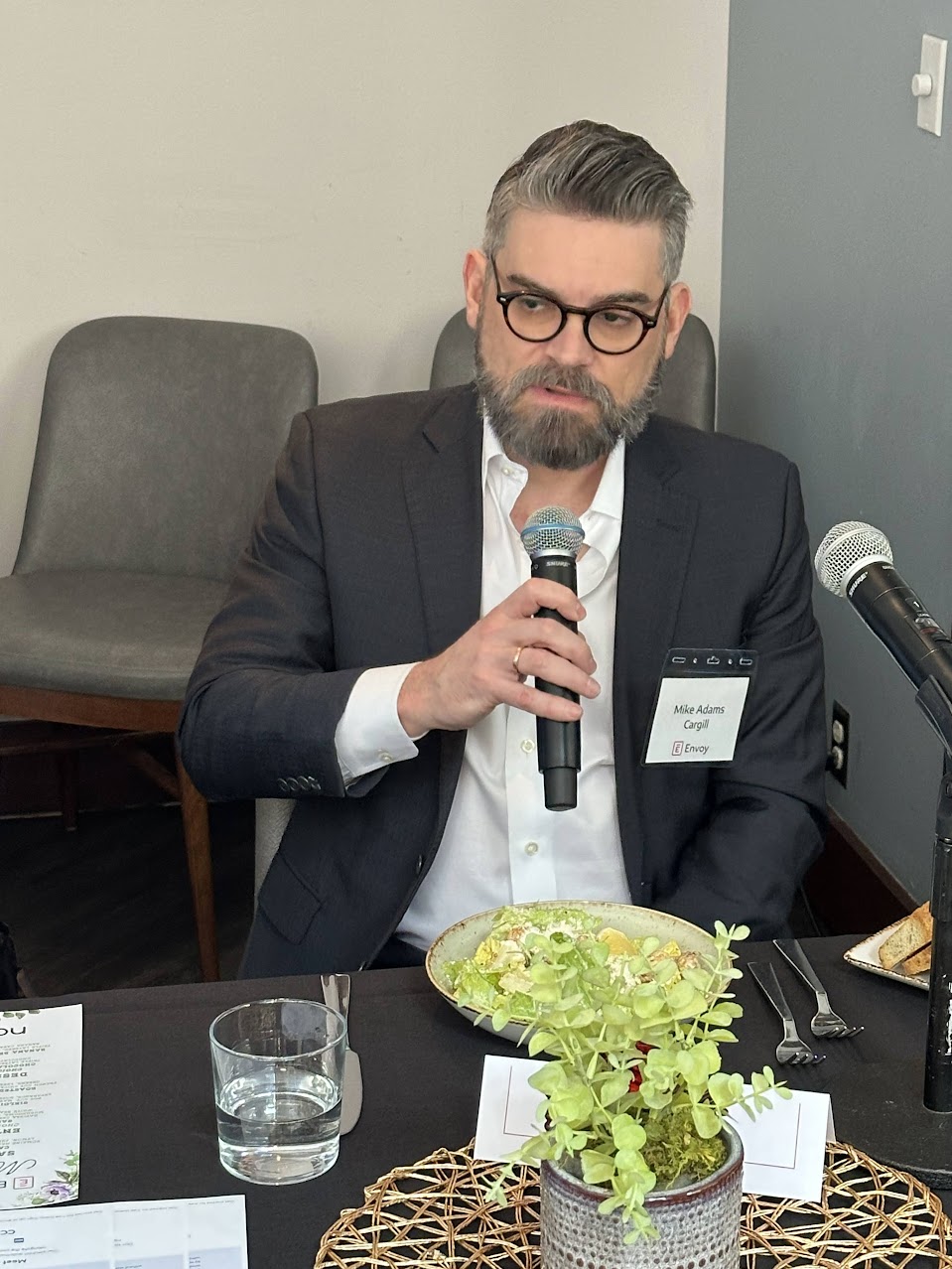
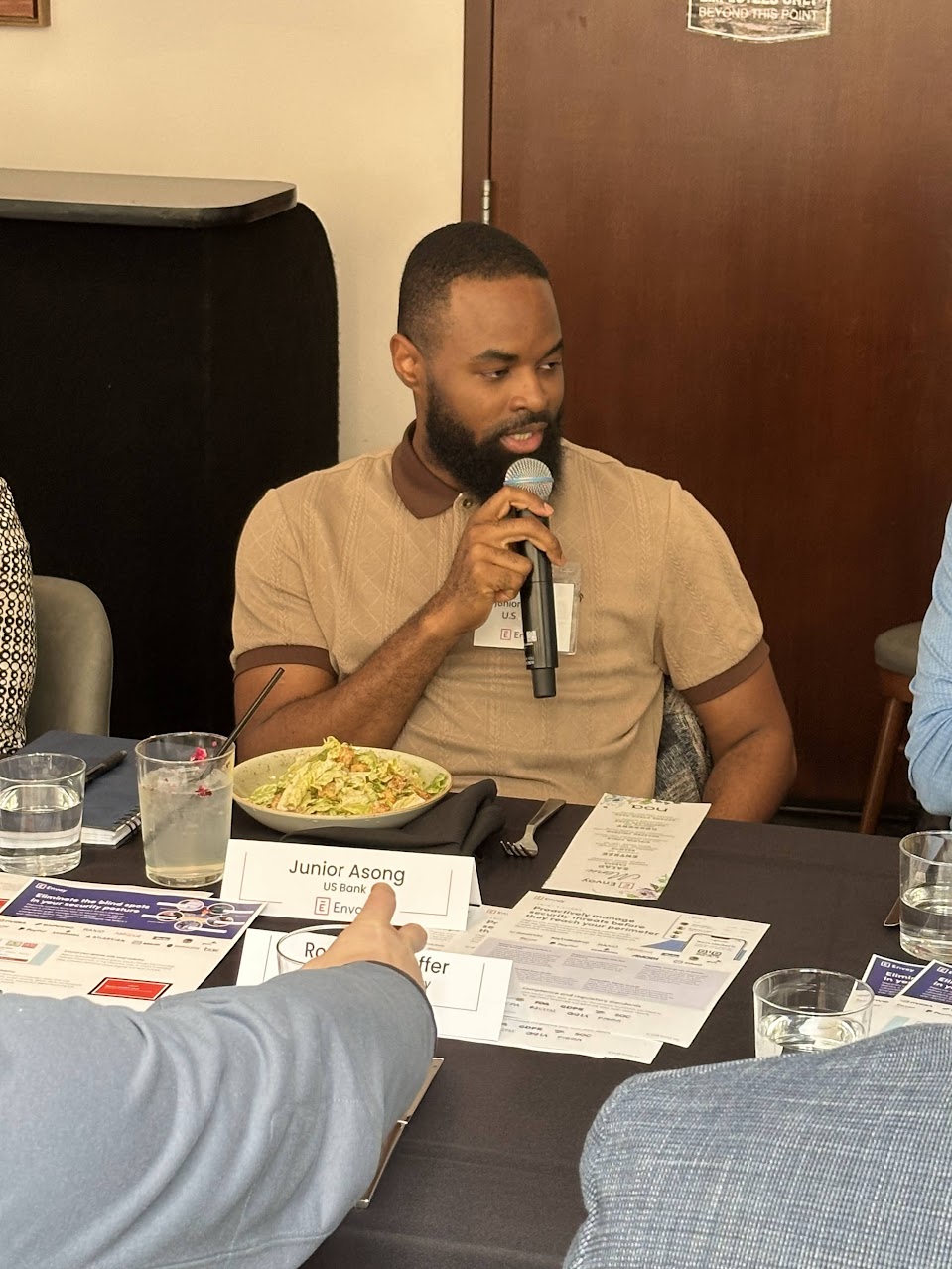
The conversation brought together perspectives spanning workplace operations, facilities, venue security, and AI risk.
Moderator
Manager, Enterprise Customer Success
Envoy

Speaker
Facilities Manager
Aleto, Inc.

Speaker
Senior Director of Security
Minnesota Twins

Speaker
Senior AI Risk Manager, VP
U.S. Bank
A connected control layer
Security gaps often emerge when teams understand their own function but lack visibility into upstream, downstream, or cross-functional risks.
Key themes
The strongest themes connected operational silos, crisis rehearsal, physical and cyber convergence, manual process risk, and AI governance.
Security gaps often emerge when teams understand their own function but lack visibility into upstream, downstream, or cross-functional risks.
Emergency plans, escalation paths, and command structures must be tested regularly so teams know how to act during real incidents.
Social engineering, phishing, visitor access, mobile devices, and facility security are increasingly connected parts of the same risk landscape.
Spreadsheets, clipboards, and ad hoc tracking can work in limited cases, but they fail when organizations need real-time evidence, task ownership, or audit-ready documentation.
AI inventories, data lineage, acceptable use, employee education, and vendor controls are becoming core requirements as AI adoption expands.
Resilience comes from practice, not paperwork.
Leaders emphasized that plans often break down when teams have not practiced them under pressure, when decision-makers are not in the same room, or when communication channels fail.
Actionable takeaways
Ten actions leaders can use to close the gap between the plan and the day the plan is needed.
Define who owns each risk, who escalates issues, who makes decisions, and who documents the outcome.
Bring IT, cyber, physical security, legal, finance, operations, and executive leadership into a unified command model for major incidents.
Test how employees respond to social engineering, building access attempts, power failures, emergency alerts, and coordinated cyber incidents.
Prioritize digitizing processes where missing data, delayed follow-up, or weak evidence could create audit, safety, or compliance exposure.
Use multiple communication channels such as text, phone, email, Slack, and emergency alert systems so employees receive critical messages even when one channel fails.
Track AI use cases, owners, data sources, risk levels, and approval status before tools spread across the organization.
Make it clear what information can be entered into AI tools, what cannot, and why sensitive data exposure creates enterprise risk.
Ensure personal devices accessing company systems are governed by appropriate access controls, application management, and conditional access policies.
Do not rely only on generic SOC 2 reports. Map vendor controls to the specific data, workflow, and business process being supported.
Treat every incident, test, and near miss as a source of operational learning, then update checklists, playbooks, and accountability models accordingly.
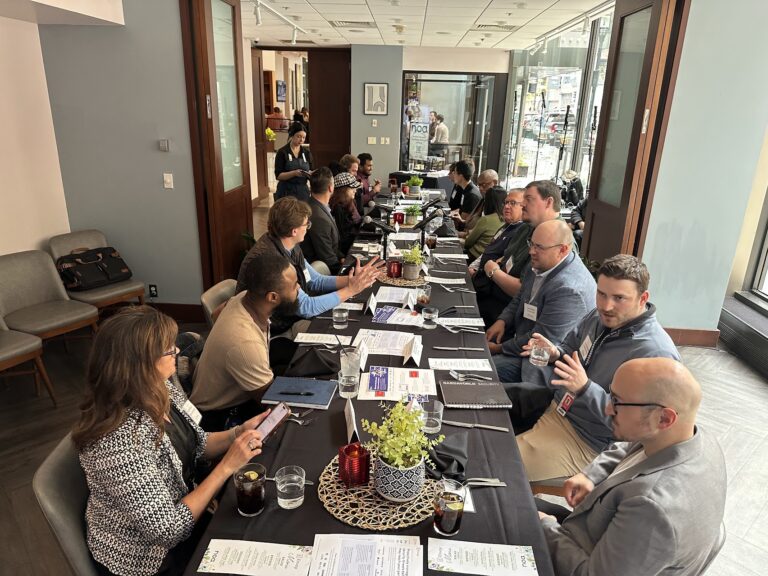
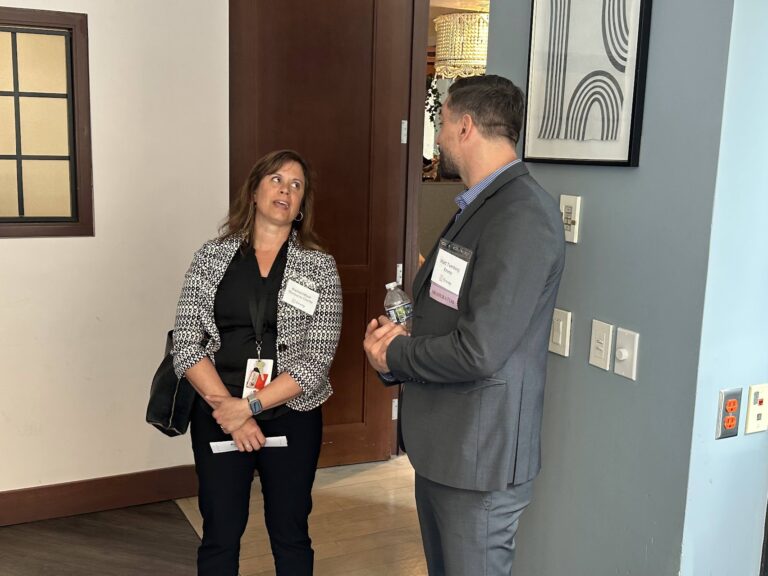
From the room
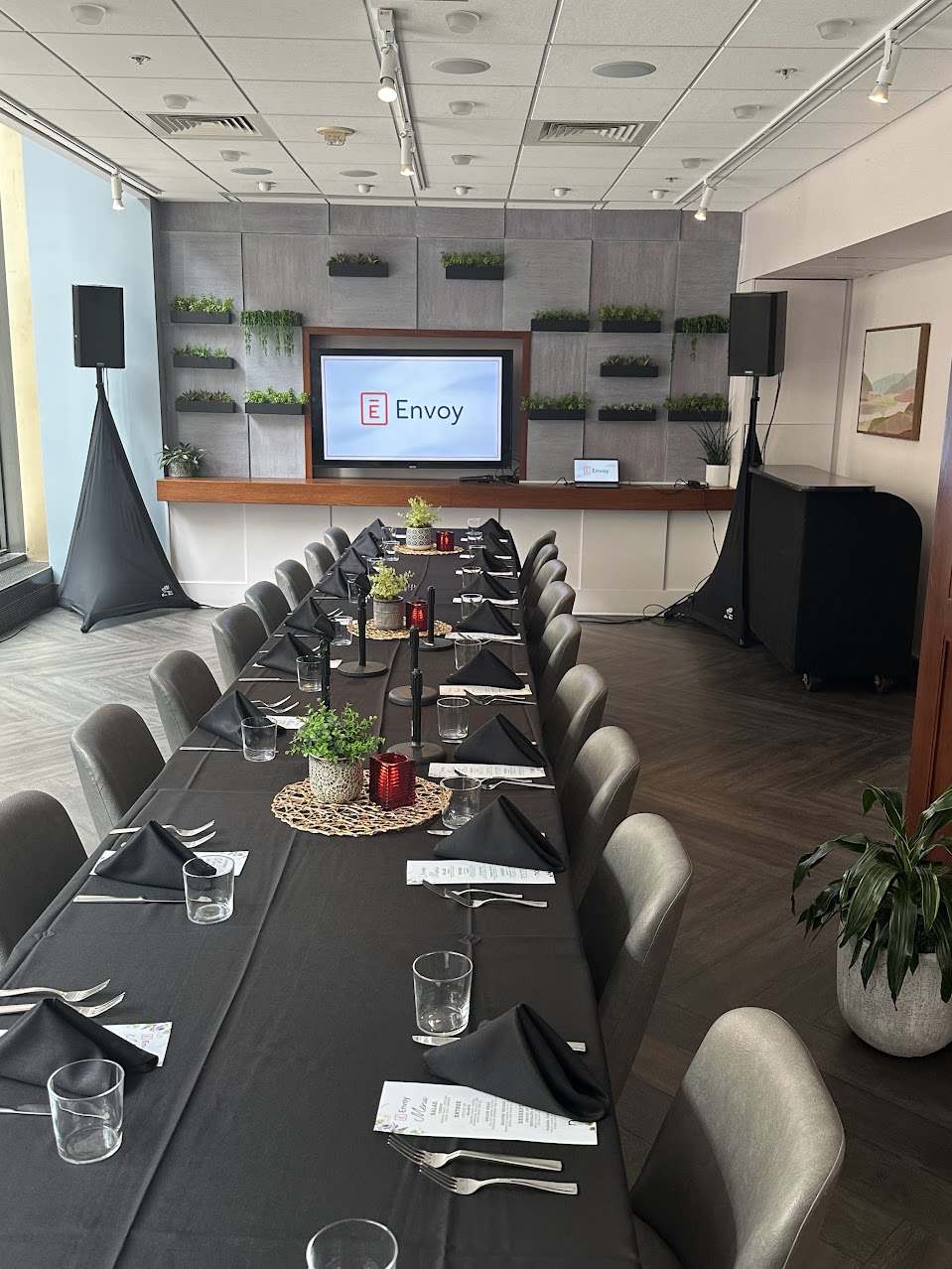
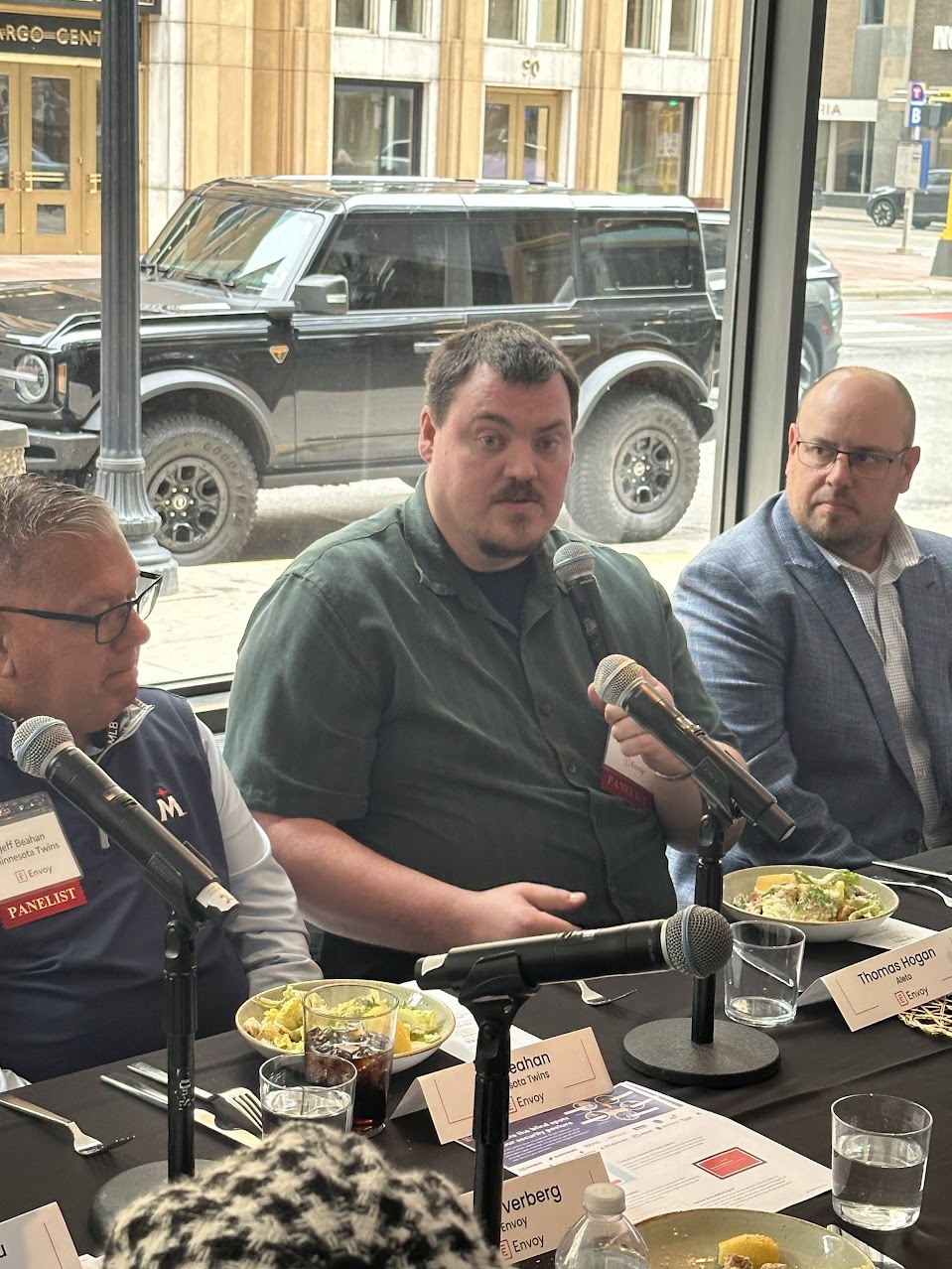
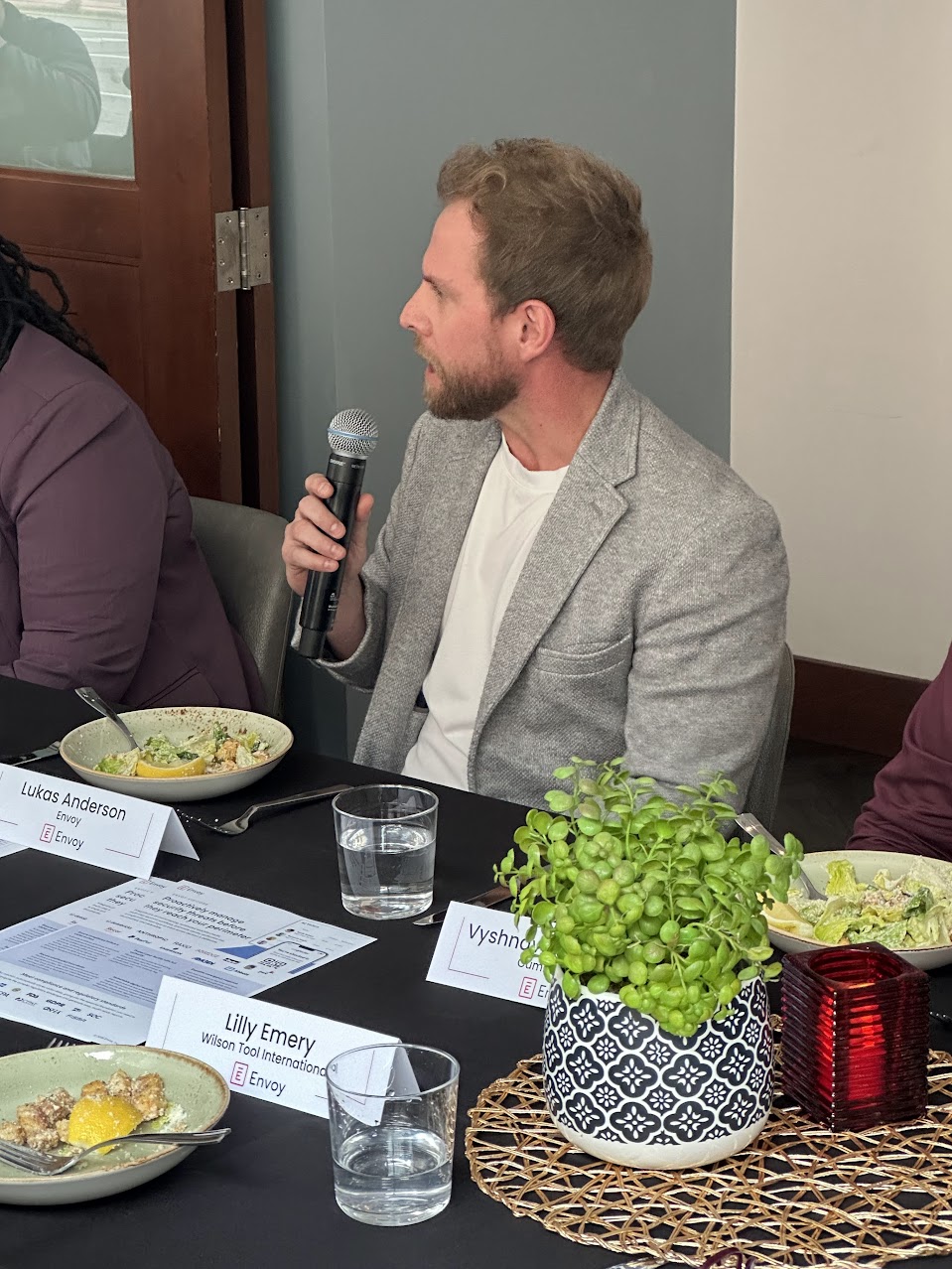
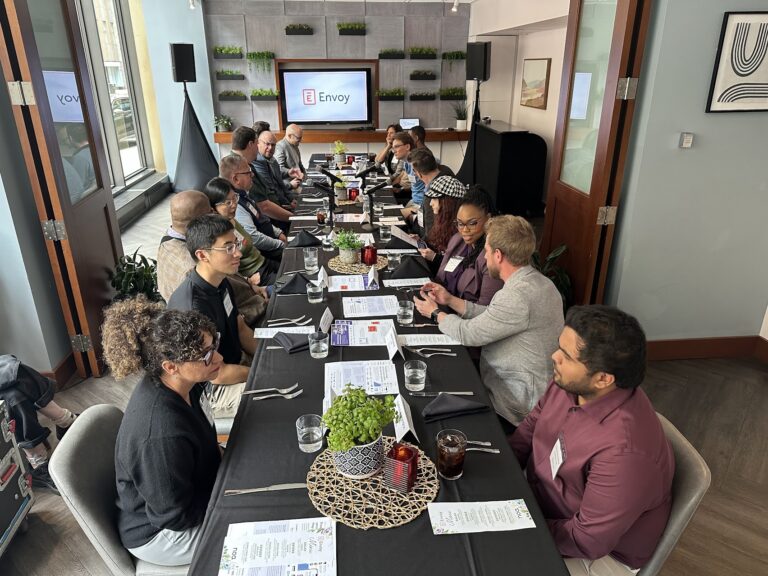
Minneapolis, MN · May 19, 2026.


Event sponsor
Envoy helps organizations bring workplace, visitor, access, and safety workflows together so teams can create environments that are secure, welcoming, and easier to operate.
Learn more ↗