
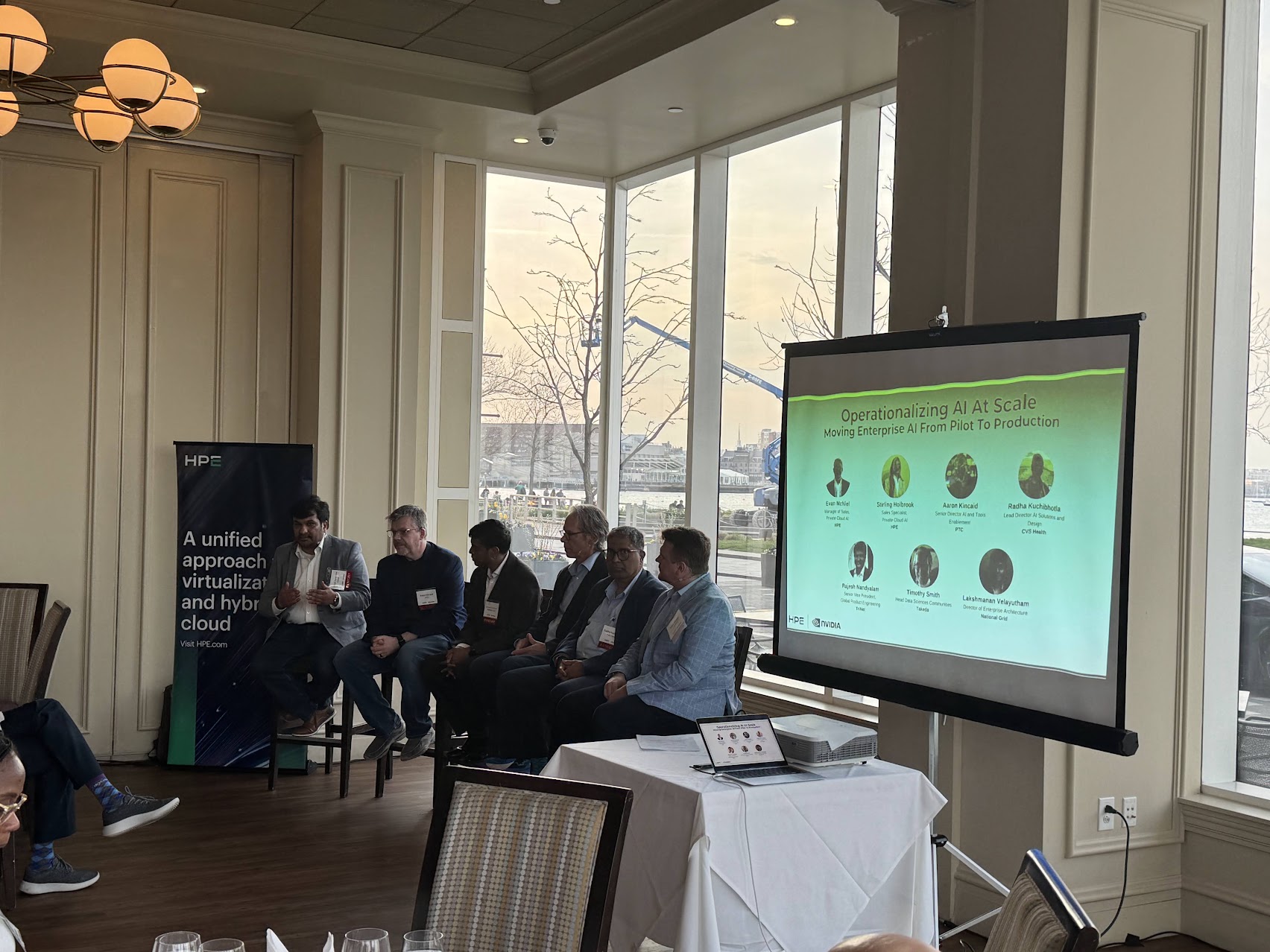
Panel
Evan McNiel
Manager of Sales - Private Cloud AI
HPE


Executive summary
Organizations are moving beyond AI experimentation and confronting the operational realities of deploying AI at enterprise scale. Across industries including healthcare, pharmaceuticals, utilities, and professional services, leaders are focused on converting pilots into production-ready systems that deliver measurable business outcomes. While enthusiasm around AI remains high, many organizations are discovering that long-term success depends less on model selection and more on foundational disciplines such as governance, data quality, architecture, and organizational alignment.A recurring theme throughout the discussion was the growing gap between rapid AI adoption and enterprise readiness. Teams are often pressured to deploy AI quickly, but many initiatives fail because underlying data environments, governance structures, and operational processes are not prepared to support scalable AI workloads. Enterprises are learning that AI cannot be treated as a standalone innovation initiative. It must be integrated into broader business, compliance, and operational strategies, particularly in highly regulated industries where explainability, auditability, and human oversight remain critical.Leaders also emphasized that AI maturity requires cultural transformation alongside technical transformation. Adoption depends on cross-functional collaboration, measurable success metrics, and AI literacy across the organization. The organizations making progress are those establishing disciplined frameworks for experimentation, implementing governance from the beginning, and aligning AI initiatives directly to business value rather than deploying technology for visibility alone.
The discussion
Manager of Sales - Private Cloud AI

Director of Enterprise Architecture

Lead Director AI Solutions and Design

Senior Director AI and Tools Enablement

Head Data Sciences Communities

Senior Vice President, Global Product Engineering

Sales Specialist — Private Cloud AI
Key themes
Successful AI deployments depend on architecture, governance, scalability, resiliency, and operational readiness—not just model performance.
AI initiatives are increasingly evaluated against defined outcomes such as operational efficiency, customer experience, revenue impact, and risk reduction.
Poor data quality, weak semantic structures, and fragmented governance frameworks remain leading causes of AI project failure.
Compliance, security, ethical controls, and policy enforcement cannot be treated as post-deployment considerations.
Organizations must address user adoption, behavior change, AI literacy, and workforce enablement alongside technical implementation.
Actionable takeaways
Apply core disciplines such as scalability, resiliency, observability, and serviceability at the design stage to avoid failed deployments later.
Establish clear success metrics tied to operational efficiency, revenue impact, customer satisfaction, or process improvement.
Invest in semantic layers, metadata management, and standardized knowledge structures to improve model performance and reliability.
Integrate security, compliance, auditability, and policy enforcement into the core design rather than treating them as external controls.
Maintain human oversight in regulated or safety-critical environments, particularly where decisions affect customers, patients, or financial outcomes.
Match workloads to the appropriate model size and complexity instead of defaulting to the largest and most expensive LLMs.
Track deployed agents, workflows, and integrations to reduce duplication, improve visibility, and maintain operational control.
Standardize terminology, governance expectations, and AI education to reduce confusion and improve collaboration across teams.
Shift from manual approval bottlenecks toward automated policy enforcement aligned with regulatory and business requirements.
Update incident response, monitoring, and risk management frameworks to address AI-driven attacks, autonomous agents, and evolving threat vectors.
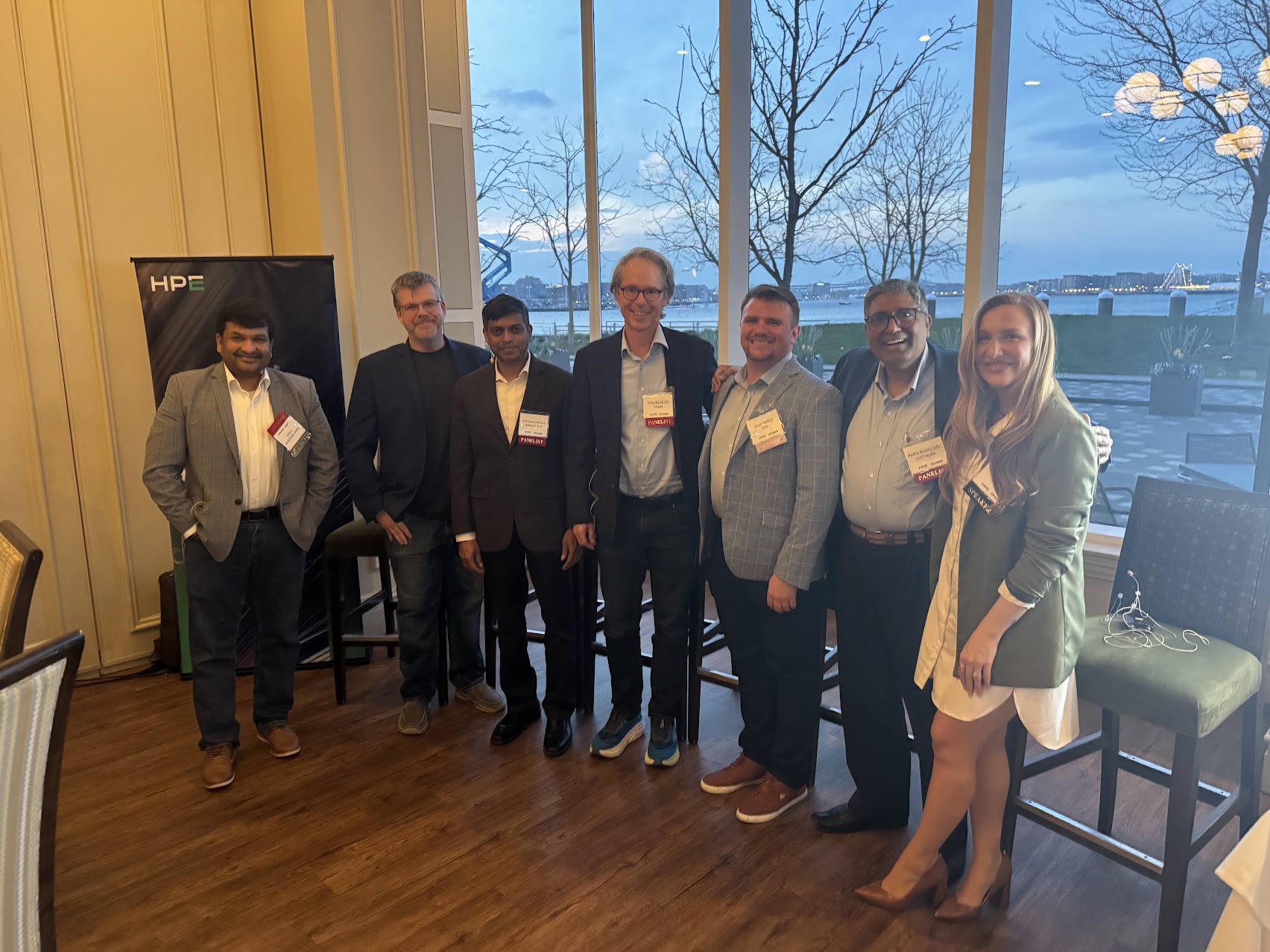
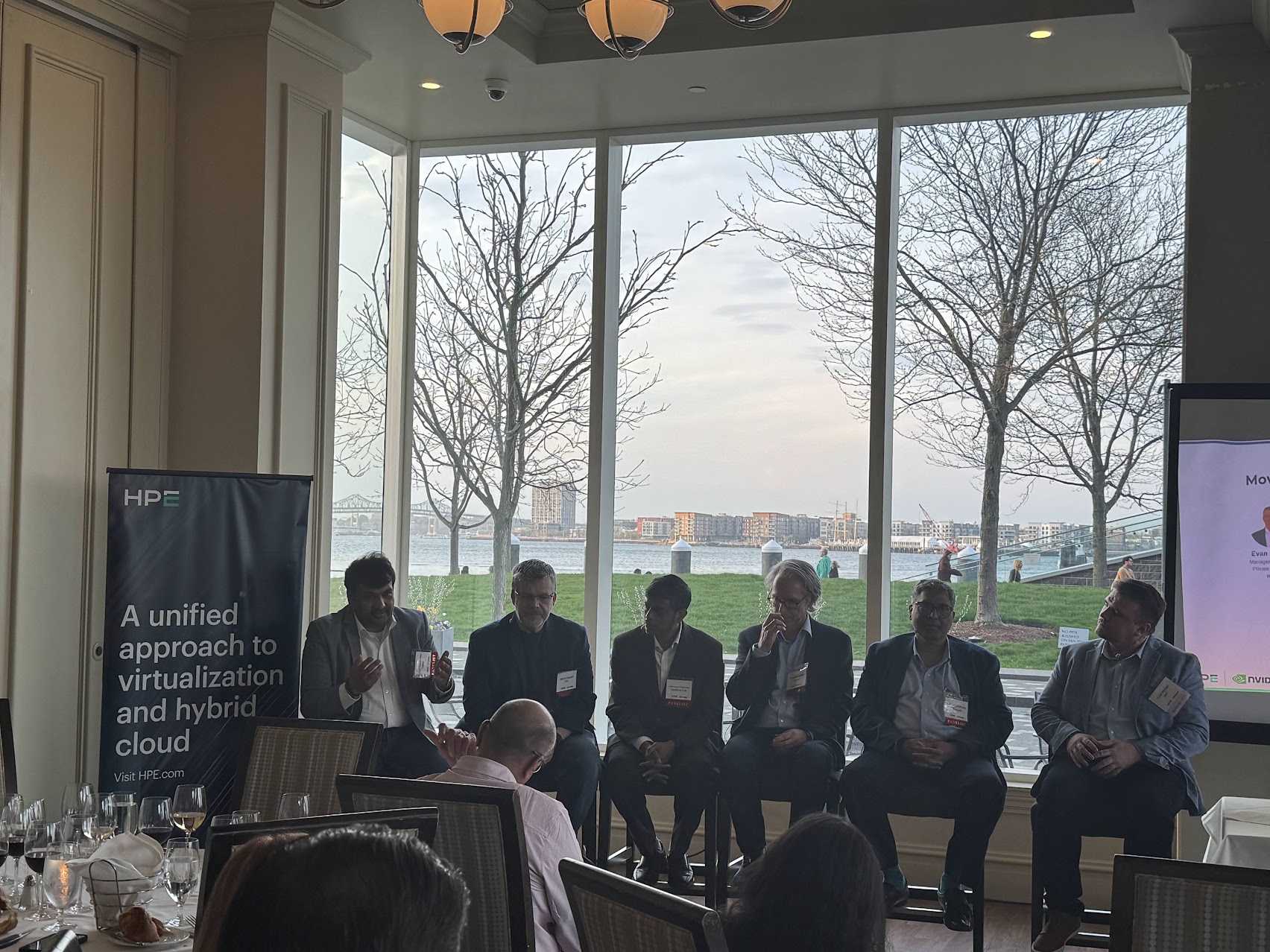
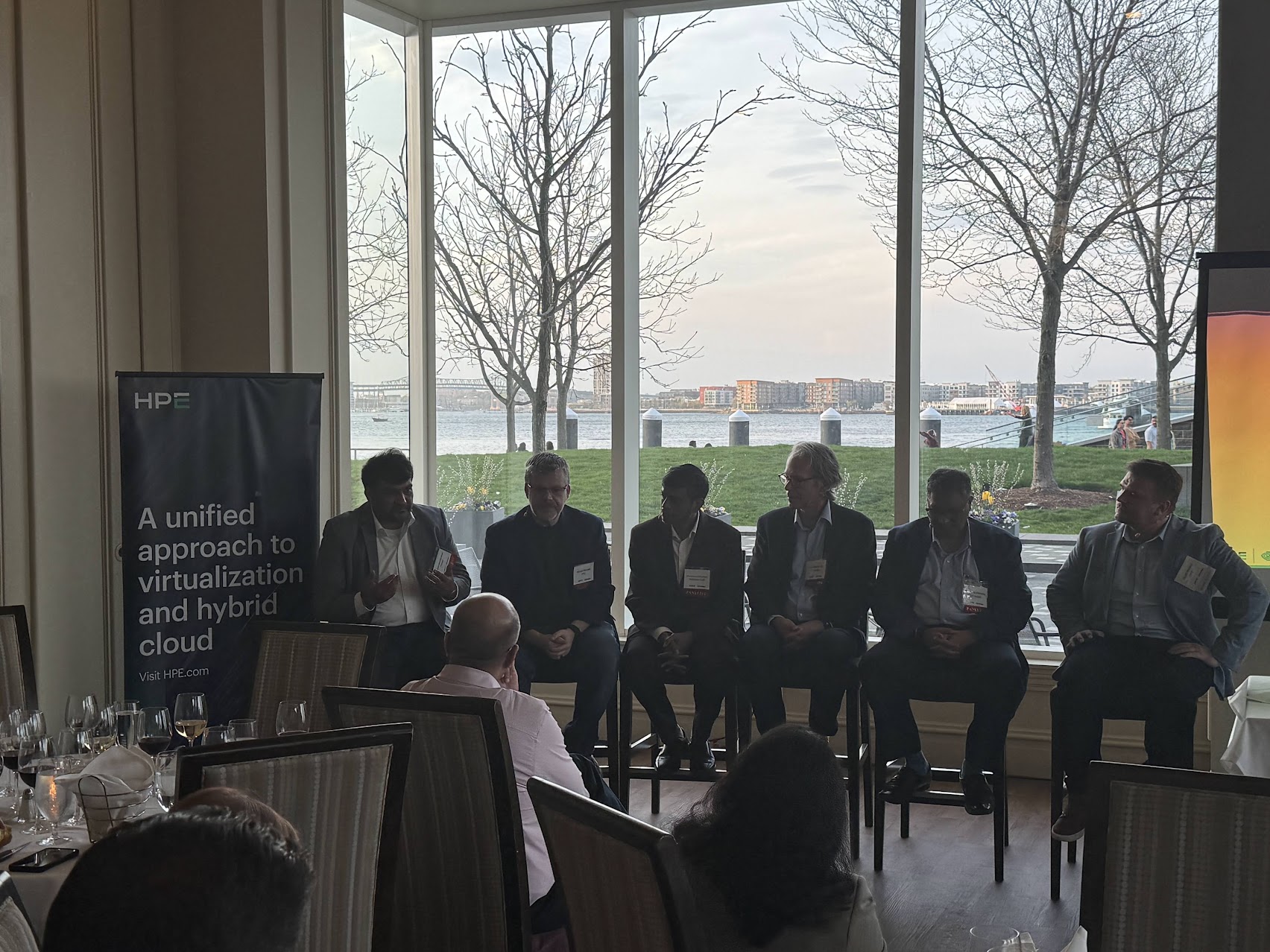
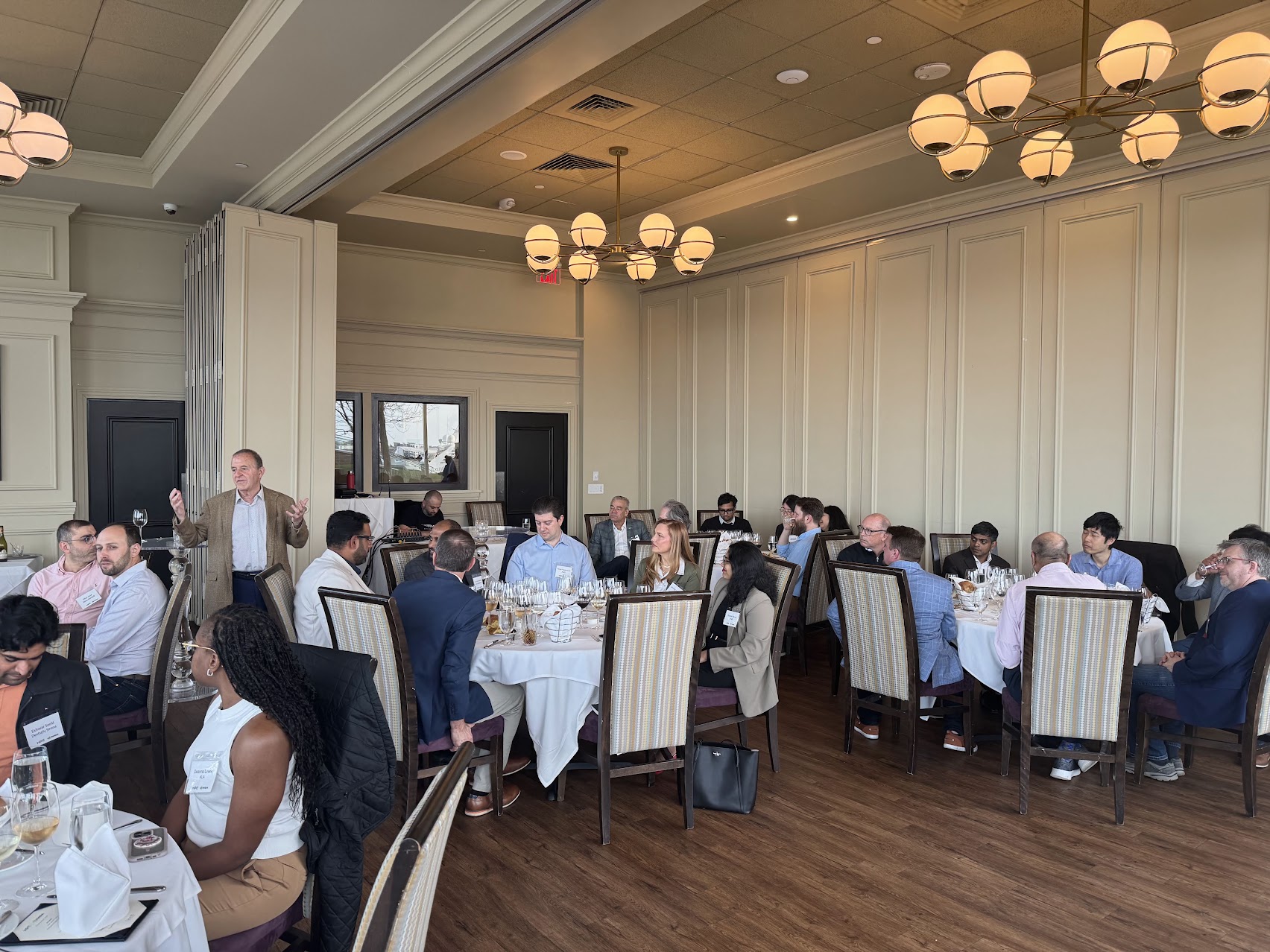
Event moments







Presented by

Unlock your boldest ambitions with Hewlett Packard Enterprise, your essential partner for the AI era. HPE uses the power of AI, cloud, and networking to help you move faster, work smarter, and achieve more. With deep expertise and bold ingenuity, we empower organizations to turn data into foresight, elevate performance, and drive real-world impact—at scale. Rooted in decades of innovation, we focus on helping companies adapt, grow, lead, and challenge the limits of what’s possible. www.hpe.com
Learn more about HPE ↗
NVIDIA is a full‑stack, accelerated computing company that delivers the AI infrastructure and software powering the world’s most demanding enterprises, from cloud to data center to factory floor. We combine industry‑leading GPUs, high‑performance networking, and optimized software into integrated platforms that enable you to build, deploy, and scale generative AI, digital twins, and advanced analytics with unmatched performance and efficiency. As the engine behind many of the world’s largest clouds and AI initiatives, NVIDIA helps organizations transform their data into a competitive advantage, modernize their core systems, and accelerate innovation while reducing total cost of ownership and time to value.
Learn more about NVIDIA ↗