
Panel
Clayton Williams
GreenLake Sales Leader
HPE


Executive summary
Enterprises are reassessing their cloud and infrastructure strategies as AI workloads introduce new constraints around cost, data gravity, and performance. The assumption that public cloud is always the optimal destination is being challenged, particularly for high-volume, latency-sensitive, or data-intensive use cases. Organizations are increasingly adopting hybrid approaches by design, placing workloads based on practical considerations such as data locality, cost predictability, and real-time performance requirements.At the same time, AI is fundamentally altering how infrastructure decisions are made. Leaders must now account for variable consumption models, including token-based pricing and burst compute demand, alongside traditional considerations like uptime and scalability. This shift is exposing gaps in cost visibility, governance, and ROI measurement. While some use cases deliver clear cost savings through automation, others require new frameworks to measure value, particularly when benefits are tied to productivity gains or revenue expansion rather than direct cost reduction.Organizations are also grappling with the operational implications of AI at scale. Standardization, governance, and workload portability are becoming critical to avoid fragmentation and inefficiency. However, excessive control can slow innovation, especially in environments where engineering speed and experimentation drive competitive advantage. The balance between control and autonomy, combined with improved visibility into cost and performance, is emerging as a key determinant of long-term success.
The discussion
GreenLake Sales Leader

VP, Artificial Intelligence and Machine Learning
Key themes
Enterprises are deliberately distributing workloads across on-prem and cloud environments based on cost, latency, and data gravity rather than defaulting to a single platform.
High-resolution data and real-time workloads are driving decisions to keep compute closer to data, particularly in AI and computer vision use cases.
Token-based pricing, burst usage, and GPU demand are introducing cost volatility, making forecasting and control more complex than traditional infrastructure models.
While cost discipline remains important, leading organizations are prioritizing revenue growth, differentiation, and competitive advantage as primary AI outcomes.
Organizations are balancing standardized infrastructure and governance with the need to enable teams to move quickly and innovate.
Actionable takeaways
Place workloads based on data location, latency requirements, and cost efficiency rather than defaulting to cloud-first or on-prem-first approaches.
Implement tools and processes that provide real-time insight into compute usage, token consumption, and infrastructure spend.
Evaluate use cases based on cost, latency, accuracy, and business impact before selecting models or infrastructure.
Keep large datasets and compute resources co-located to reduce transfer costs and preserve data fidelity.
Standardize core infrastructure and governance while allowing teams to experiment within controlled environments.
Track impact through productivity gains, customer experience improvements, and revenue generation—not just cost savings.
Enable experimentation in isolated environments, then promote validated solutions through controlled stages to production.
Allow teams to move quickly while enforcing visibility, cost controls, and shared standards to prevent duplication and inefficiency.
Adapt financial planning to consumption-based pricing, ensuring alignment between usage and business value.
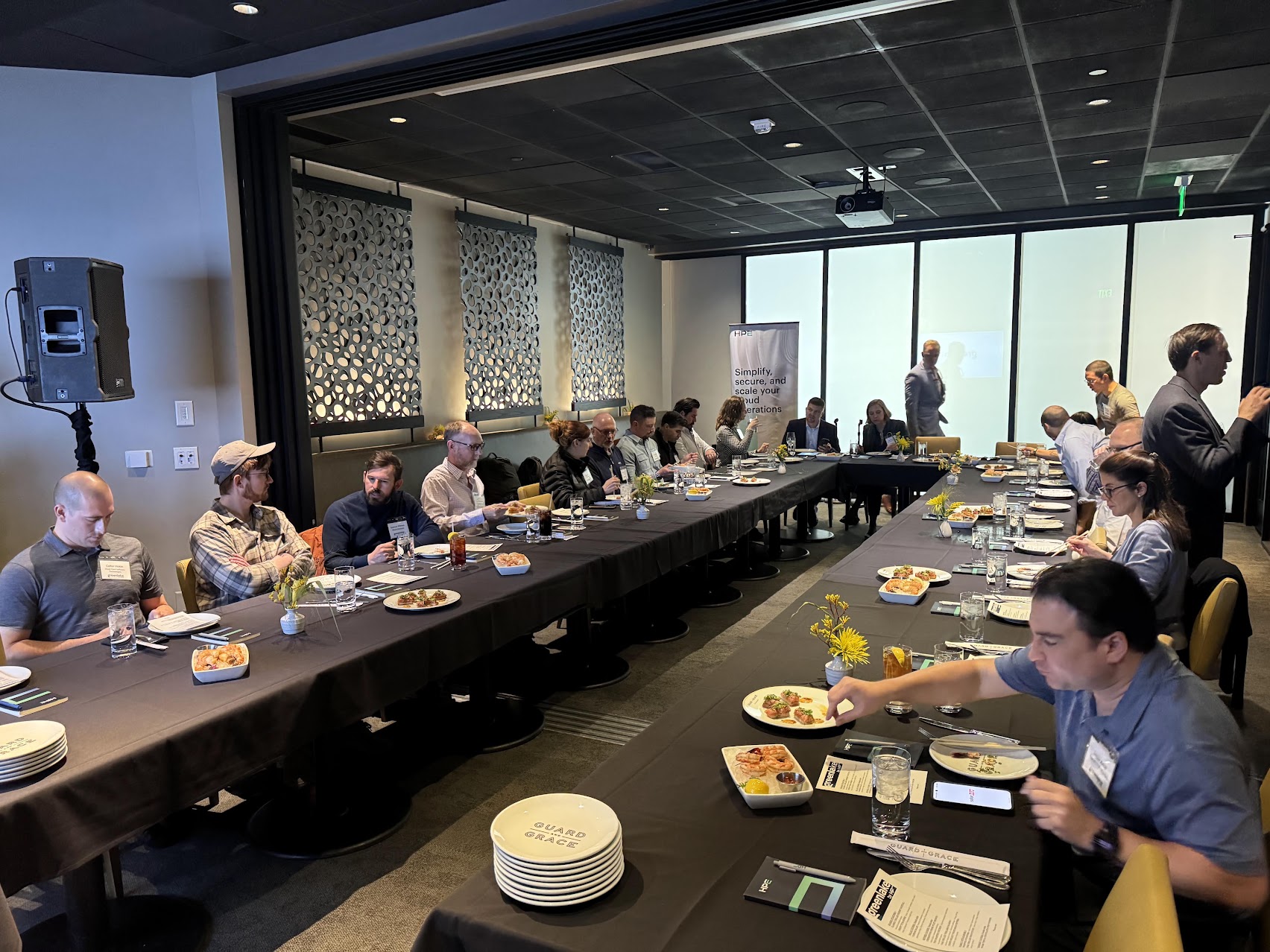
Event moments
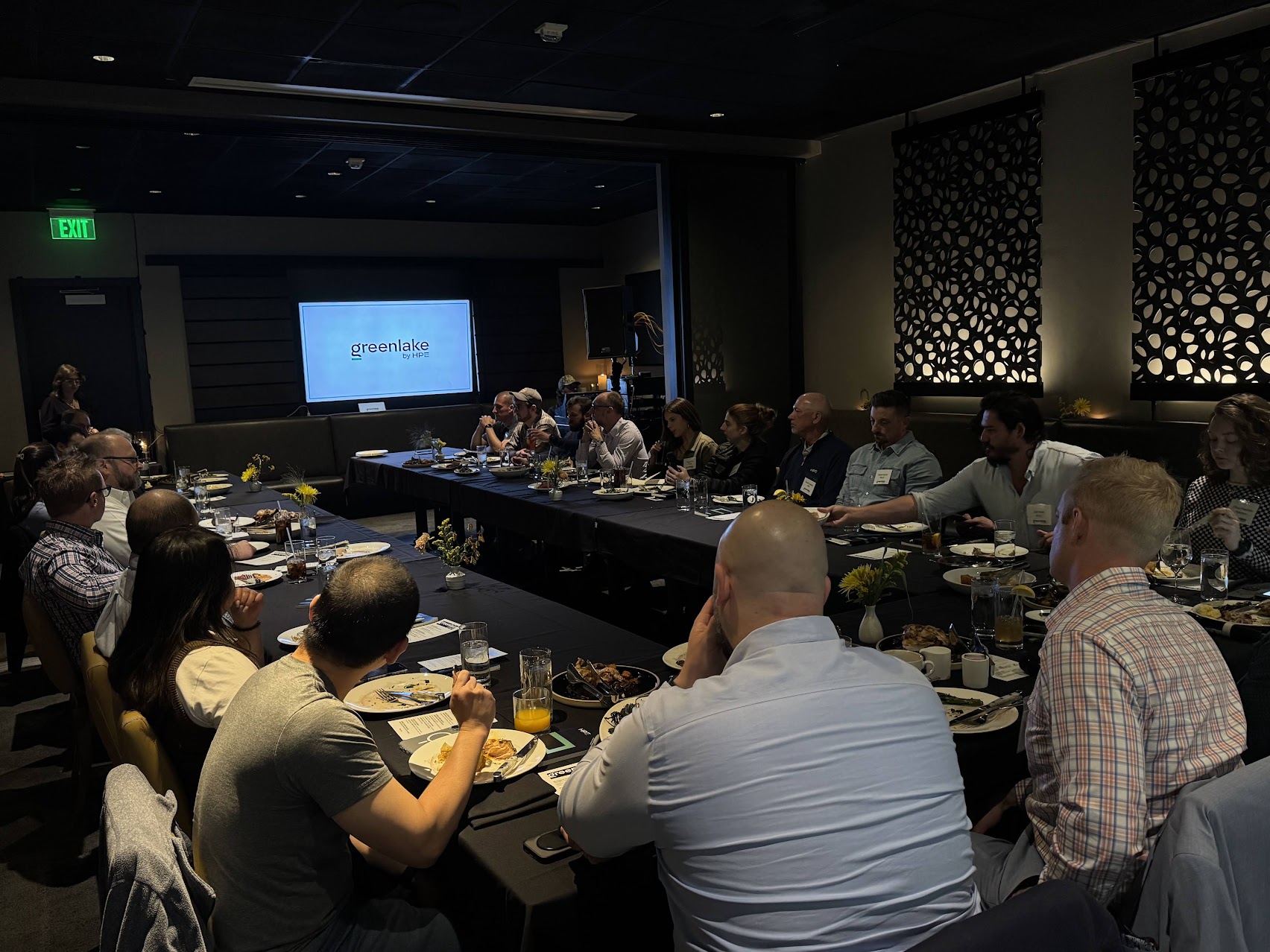

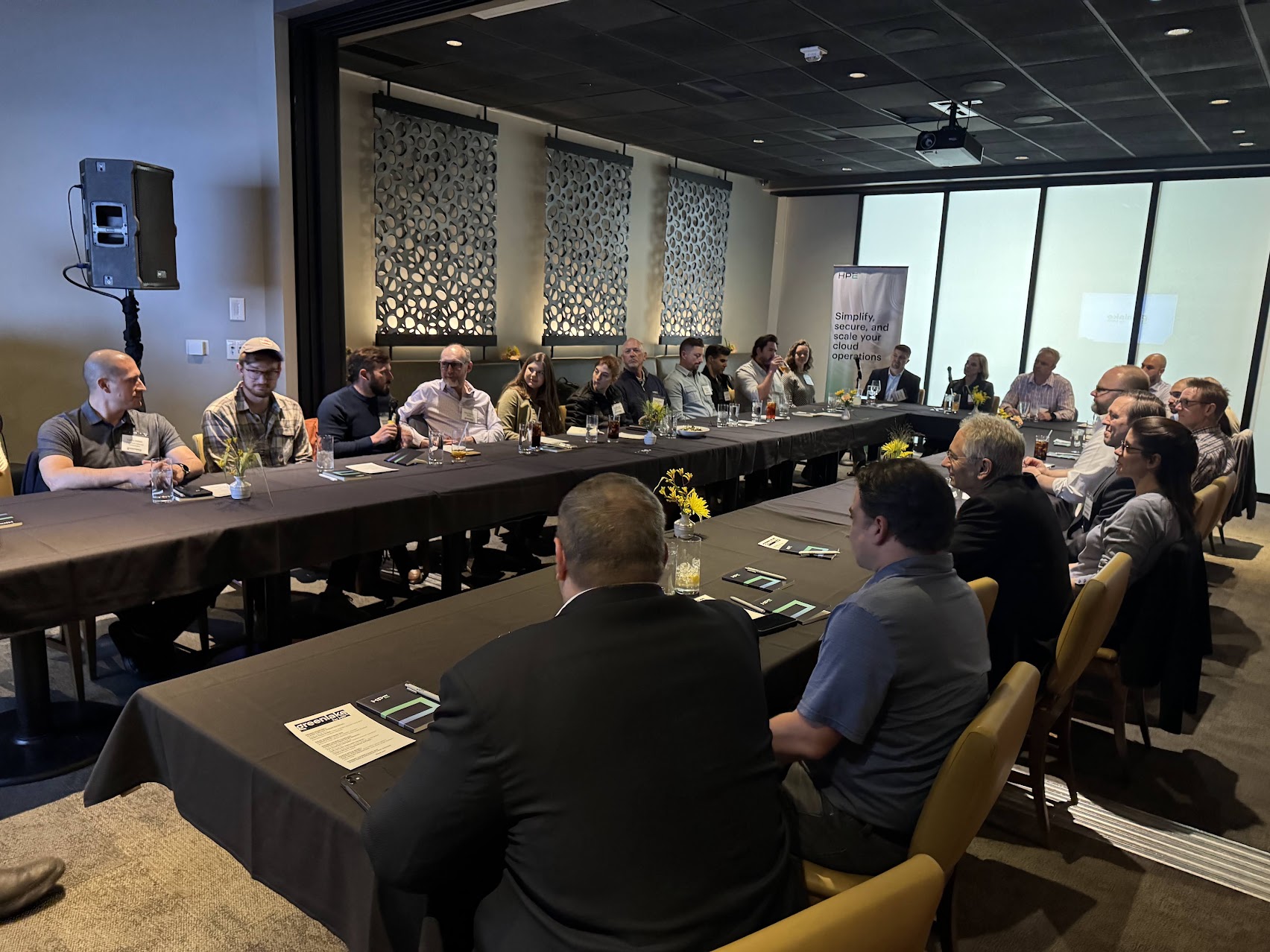
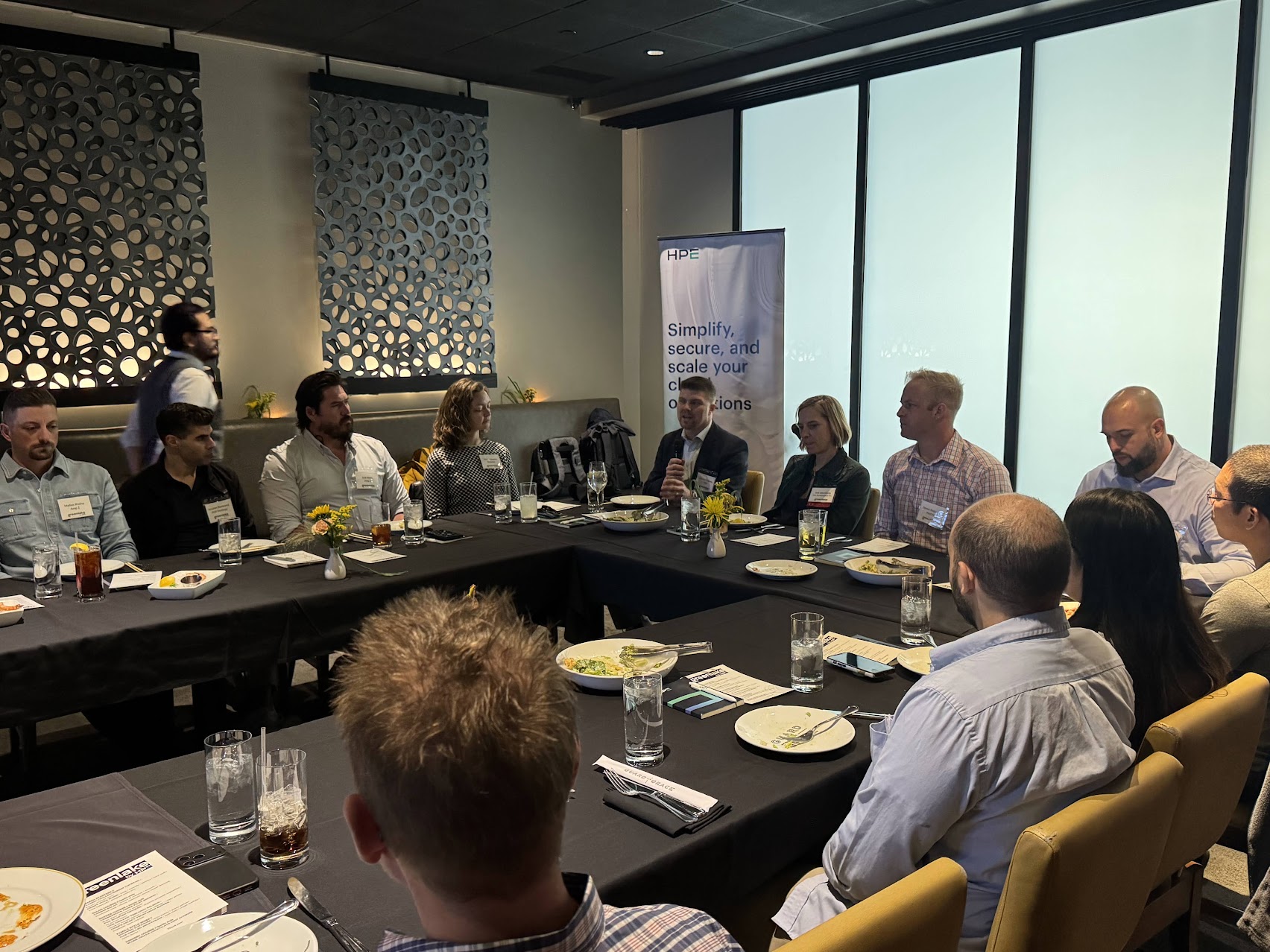
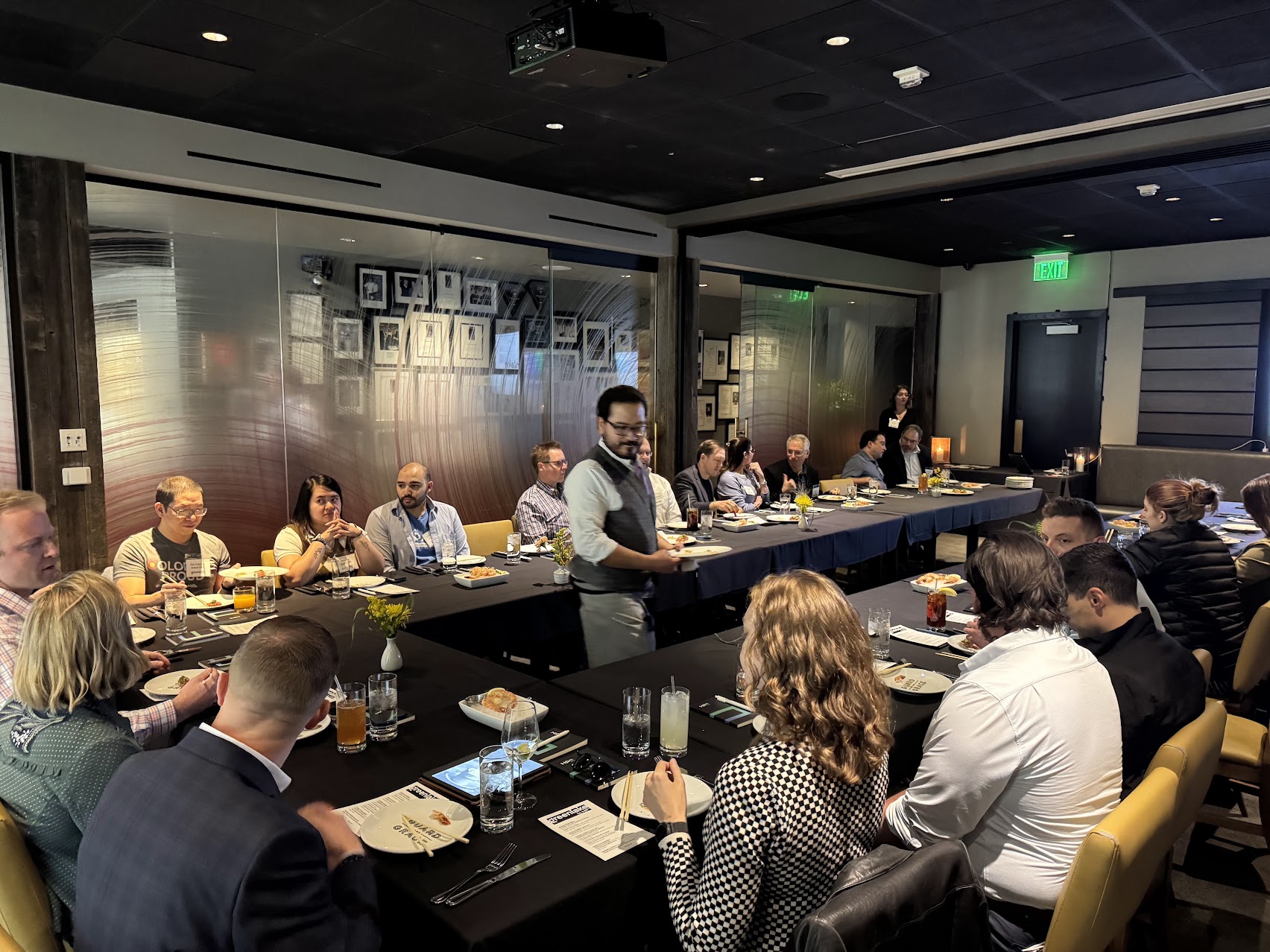
Presented by

Unlock your organization’s next phase of innovation with HPE GreenLake, the edge-to-cloud platform designed for the AI era. HPE GreenLake brings cloud agility to applications and data wherever they live, combining scalable infrastructure, built-in security, and intelligent operations. With deep expertise across AI, cloud, and networking, HPE helps enterprises turn data into insight, improve performance, and operate with greater speed and control. Backed by decades of innovation, HPE GreenLake enables organizations to modernize, scale, and lead with confidence. www.hpe.com/greenlake
Learn more about HPE GreenLake ↗