
Panel
Chad Smykay
AI CTO & Distinguished Technologist, Industry Verticals, North America
Hewlett Packard Enterprise


Executive summary
Enterprises are actively operationalizing AI, but most remain in early to mid stages of maturity, where governance, cost control, and use case prioritization are more pressing than model sophistication. Organizations are navigating a tension between enabling broad experimentation and maintaining control over risk, cost, and duplication of effort. Early implementations often led to fragmented solutions, prompting a shift toward centralized governance models that standardize core infrastructure while allowing business units to innovate within defined guardrails.A critical realization is that AI adoption introduces a fundamentally different operating model. Unlike traditional software, AI brings variable costs, probabilistic outputs, and continuous learning requirements. This is forcing enterprises to rethink how they evaluate ROI, manage data privacy, and scale solutions. In regulated industries in particular, governance frameworks, auditability, and explainability are becoming prerequisites for production deployment, not afterthoughts.At the same time, organizations are refining their approach to model strategy and use case selection. General-purpose models are proving effective for broad tasks, but domain-specific small language models are delivering higher accuracy and reliability in specialized workflows. Success is increasingly tied to disciplined execution, including controlled rollouts, human oversight, and iterative validation, rather than rapid, unstructured deployment.
The discussion
AI CTO & Distinguished Technologist, Industry Verticals, North America

Senior Software Engineering Manager

Vice President, Life IT

EVP Global Head - Data and AI

Senior Director, Platform AI and ITX workflows
Key themes
Enterprises are establishing control towers, governance boards, and standardized infrastructure while enabling business units to build use-case-specific solutions within defined guardrails.
Token-based consumption, API pricing, and compute demand are forcing organizations to rethink budgeting, ROI measurement, and scalability.
Tailored small language models are delivering higher accuracy and reliability in regulated and high-stakes use cases compared to general-purpose LLMs.
Organizations are using phased rollouts, shadow testing, and audit trails to validate performance before full-scale deployment.
Especially in regulated industries, AI systems must be explainable, auditable, and subject to strict access and monitoring controls.
Actionable takeaways
Define clear ownership, approval processes, and guardrails while enabling business units to innovate within structured boundaries.
Provide shared platforms, APIs, and security controls while allowing teams flexibility in applying AI to specific business problems.
Incorporate token usage, API costs, and compute requirements into ROI calculations from the outset.
Use controlled scale-ups, shadow testing, and benchmarking against existing systems before full deployment.
Log inputs, outputs, and decision paths to ensure traceability, compliance, and continuous improvement.
Invest in specialized models where accuracy and regulatory compliance are essential.
Establish mechanisms to revert to human oversight or legacy processes when performance deviates.
Implement decision frameworks to guide tool and model selection, ensuring consistency and reusability.
Focus on automating routine, resource-intensive tasks to unlock immediate efficiency gains.
Event moments


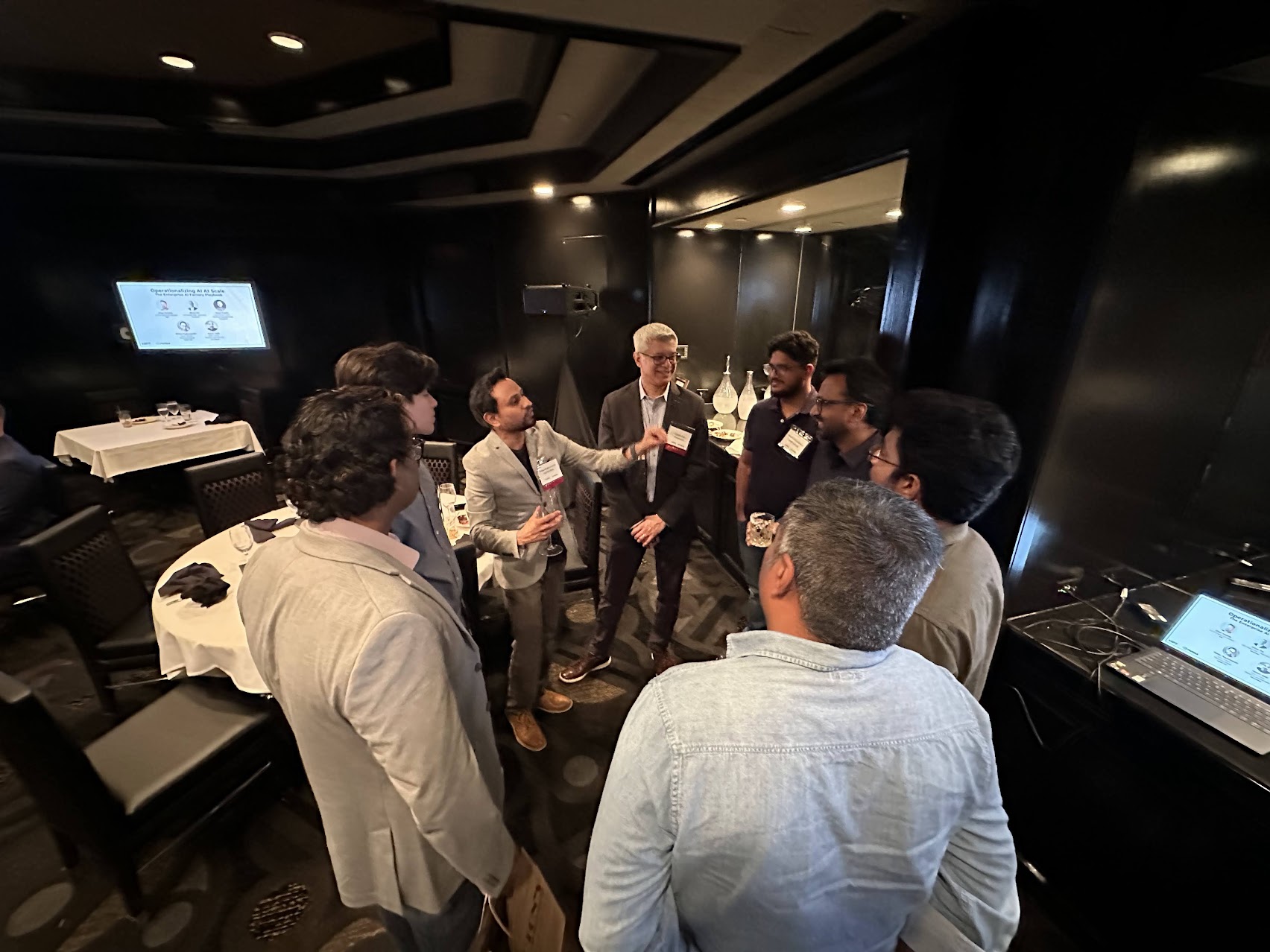





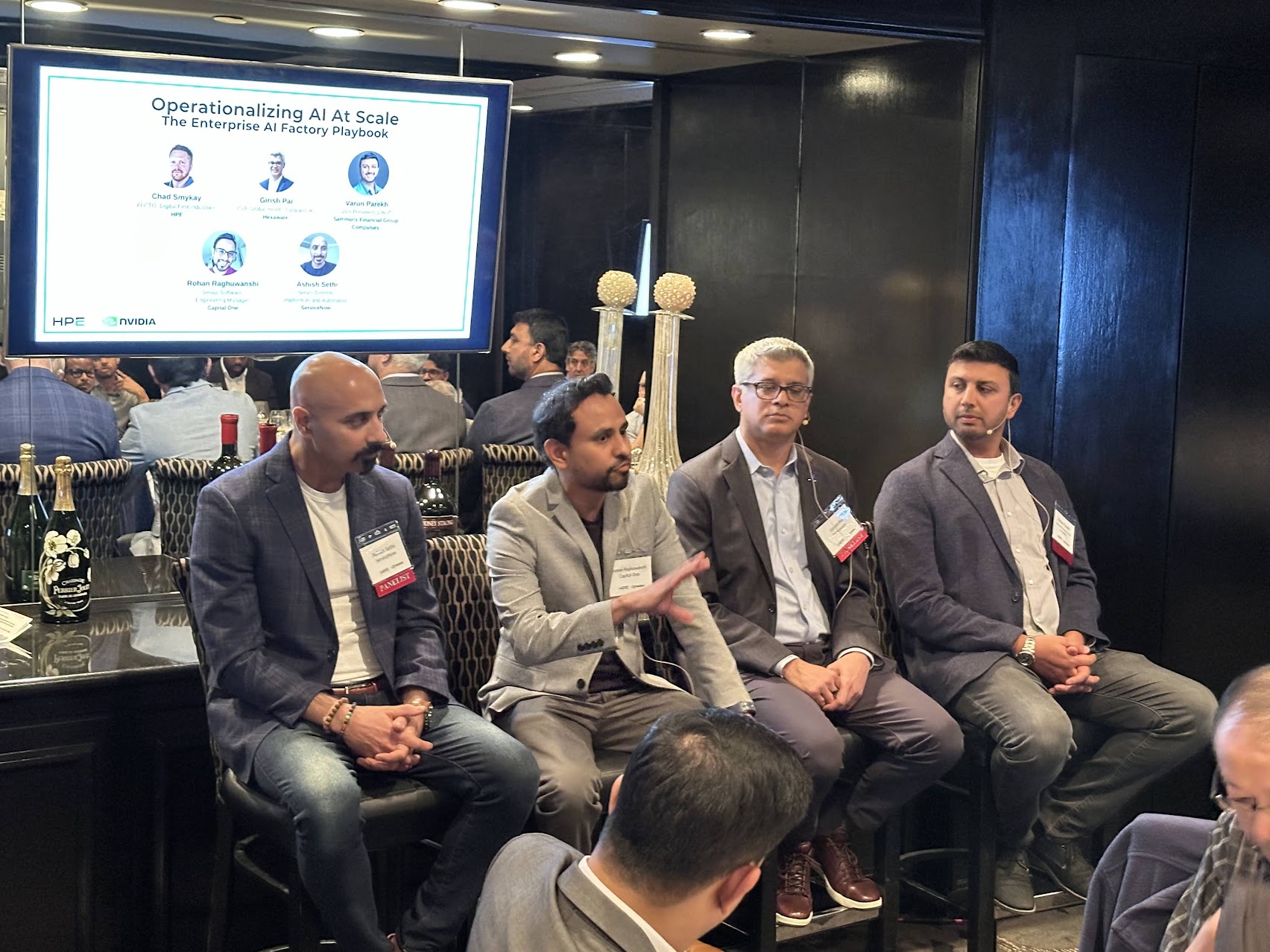
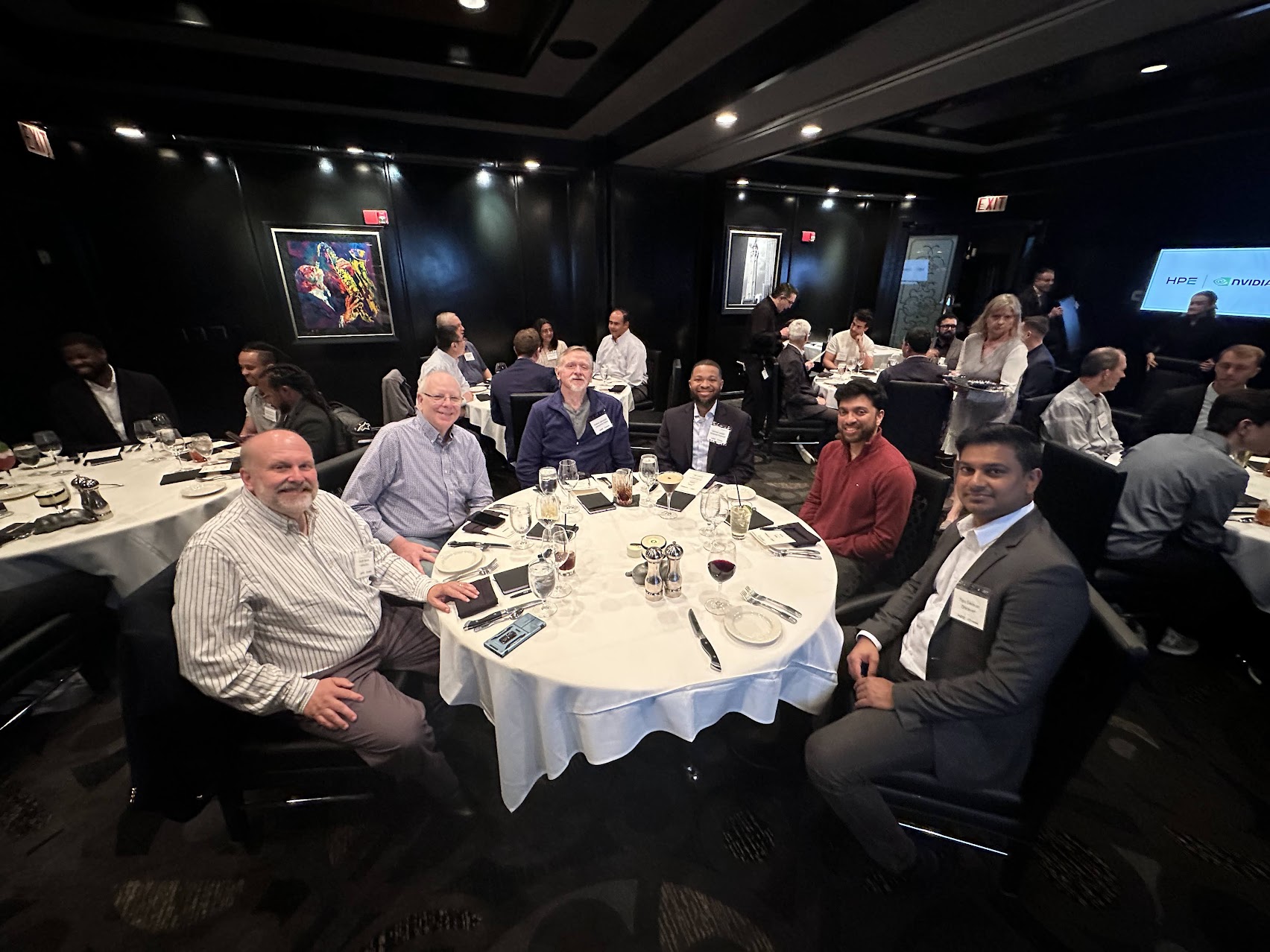


Presented by

Unlock your boldest ambitions with Hewlett Packard Enterprise, your essential partner for the AI era. HPE uses the power of AI, cloud, and networking to help you move faster, work smarter, and achieve more. With deep expertise and bold ingenuity, we empower organizations to turn data into foresight, elevate performance, and drive real-world impact—at scale. Rooted in decades of innovation, we focus on helping companies adapt, grow, lead, and challenge the limits of what’s possible. www.hpe.com
Learn more about HPE ↗
NVIDIA is a full‑stack, accelerated computing company that delivers the AI infrastructure and software powering the world’s most demanding enterprises, from cloud to data center to factory floor. We combine industry‑leading GPUs, high‑performance networking, and optimized software into integrated platforms that enable you to build, deploy, and scale generative AI, digital twins, and advanced analytics with unmatched performance and efficiency. As the engine behind many of the world’s largest clouds and AI initiatives, NVIDIA helps organizations transform their data into a competitive advantage, modernize their core systems, and accelerate innovation while reducing total cost of ownership and time to value.
Learn more about NVIDIA ↗