
Panel
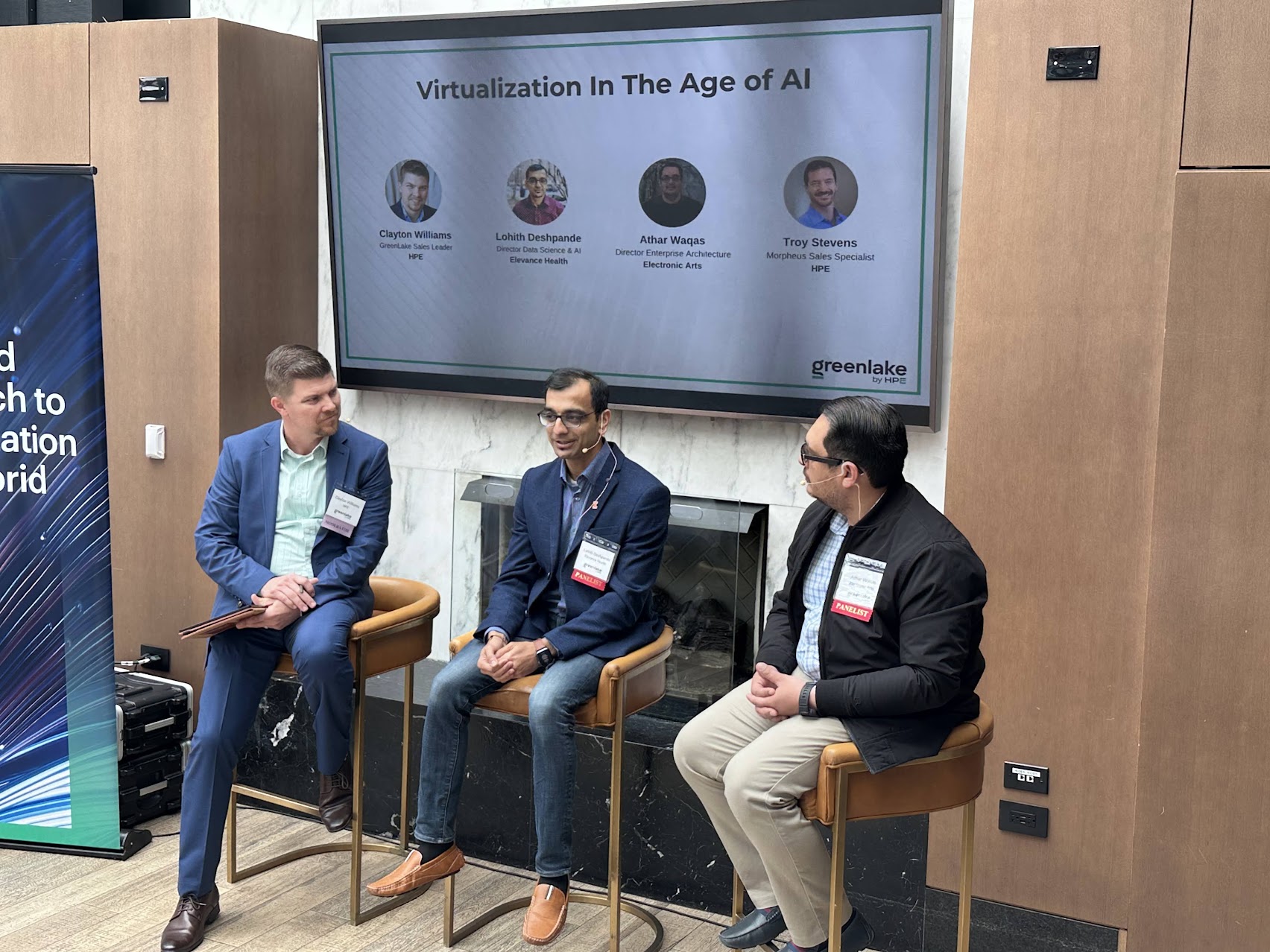
Clayton Williams
GreenLake Sales Leader
HPE


Executive summary
Enterprises are accelerating efforts to operationalize AI, but progress is uneven due to gaps in data readiness, infrastructure strategy, and organizational alignment. While access to models and tooling has improved significantly, the limiting factor has shifted to how effectively organizations can integrate AI into core business processes. Leaders are recognizing that successful AI adoption requires disciplined execution across data, governance, and workflow integration rather than isolated experimentation.A key inflection point is the transition from pilot initiatives to scalable production environments. Many organizations are reassessing early approaches that prioritized speed over structure and are now implementing more rigorous frameworks for defining use cases, measuring outcomes, and managing risk. This shift is driving closer collaboration between business and technical teams, with increased focus on aligning AI initiatives to tangible operational and financial impact.At the same time, infrastructure and deployment strategies are evolving. Enterprises are moving away from one-size-fits-all cloud approaches and toward more deliberate hybrid models that balance performance, cost, and data sensitivity. The combination of foundational AI models with domain-specific solutions is emerging as a practical approach to delivering business value, reinforcing the importance of tailoring AI systems to specific enterprise contexts.
The discussion
GreenLake Sales Leader

Director Data Science & AI

Director Enterprise Architecture

Morpheus Sales Specialist
Key themes
AI initiatives are delivering value only when tied to specific business outcomes and embedded into existing workflows, rather than treated as standalone capabilities.
Inconsistent data quality, weak governance, and fragmented data environments continue to limit the effectiveness and scalability of AI deployments.
Organizations are moving beyond proof-of-concept efforts toward structured approaches that prioritize KPIs, accountability, and repeatable deployment models.
Enterprises are balancing cloud and on-premise environments to manage cost, latency, and regulatory requirements, particularly for data-intensive AI workloads.
Combining large foundational models with smaller, specialized models enables more targeted, efficient, and adaptable solutions across business functions.
Actionable takeaways
Focus on initiatives that directly improve revenue, efficiency, or risk management rather than broad, exploratory AI efforts.
Define KPIs before deployment to ensure alignment between technical execution and business outcomes.
Improve data quality, consistency, and accessibility to support reliable and scalable AI performance.
Determine where AI workloads should run based on cost, performance, and compliance requirements rather than defaulting to a single environment.
Embed AI capabilities into current systems and processes to drive adoption and maximize operational value.
Use foundational models for broad capabilities and augment them with specialized models tailored to specific use cases.
Address security, compliance, and risk management as part of the development lifecycle to avoid delays in scaling.
Ensure business, data, and engineering teams operate with shared objectives and clear accountability for outcomes.
Monitor infrastructure and model usage to optimize efficiency as AI workloads scale.
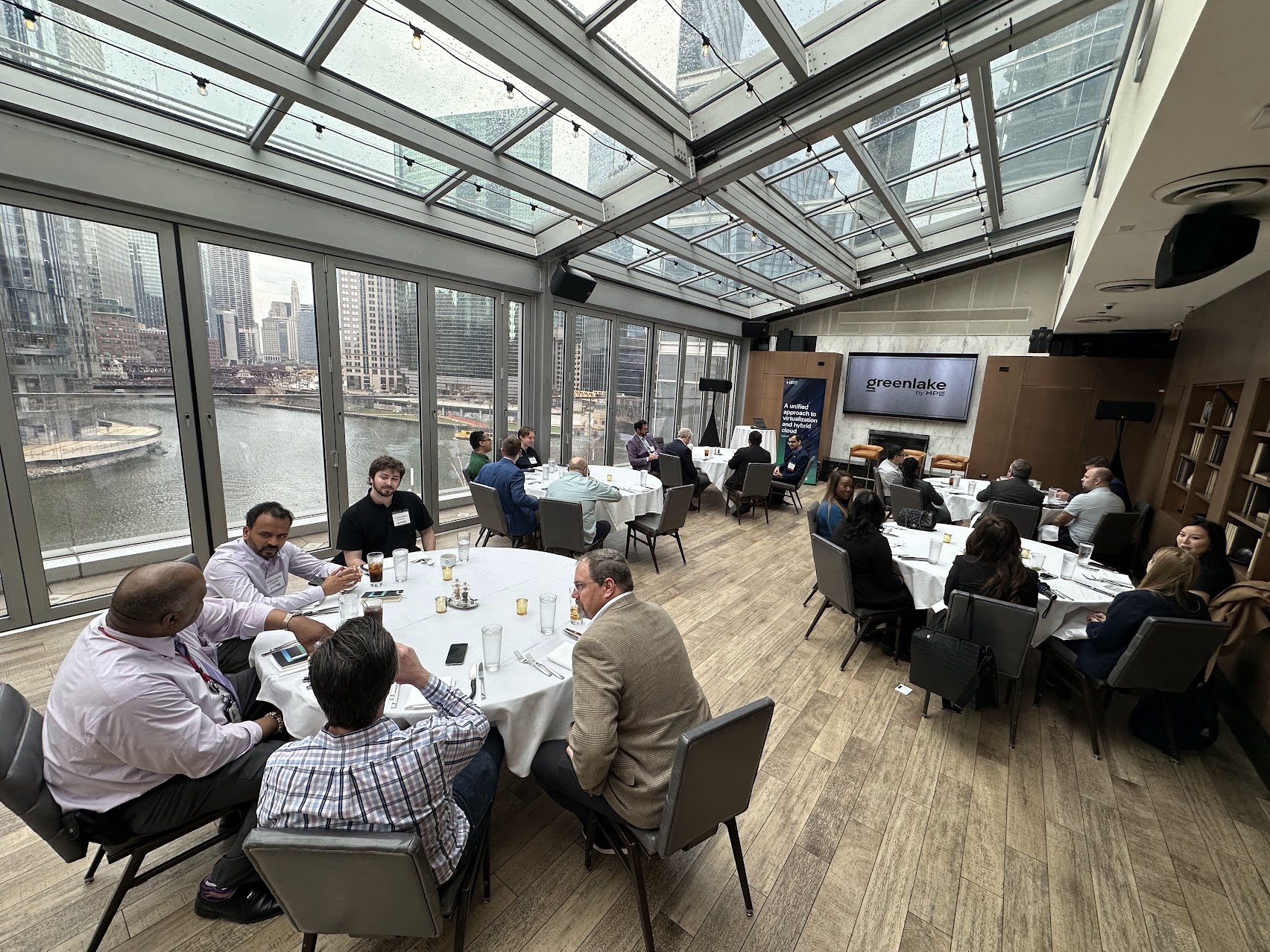
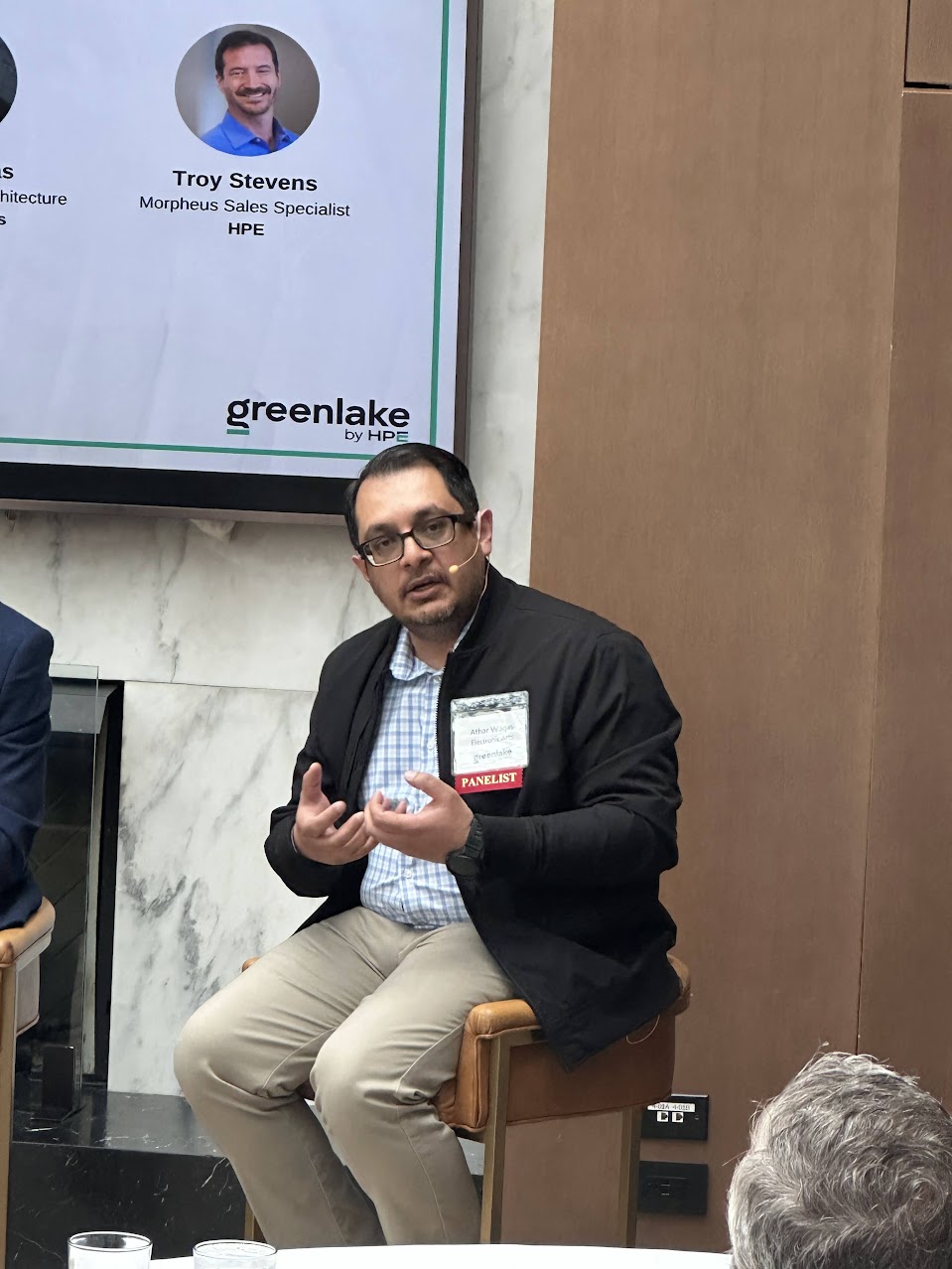
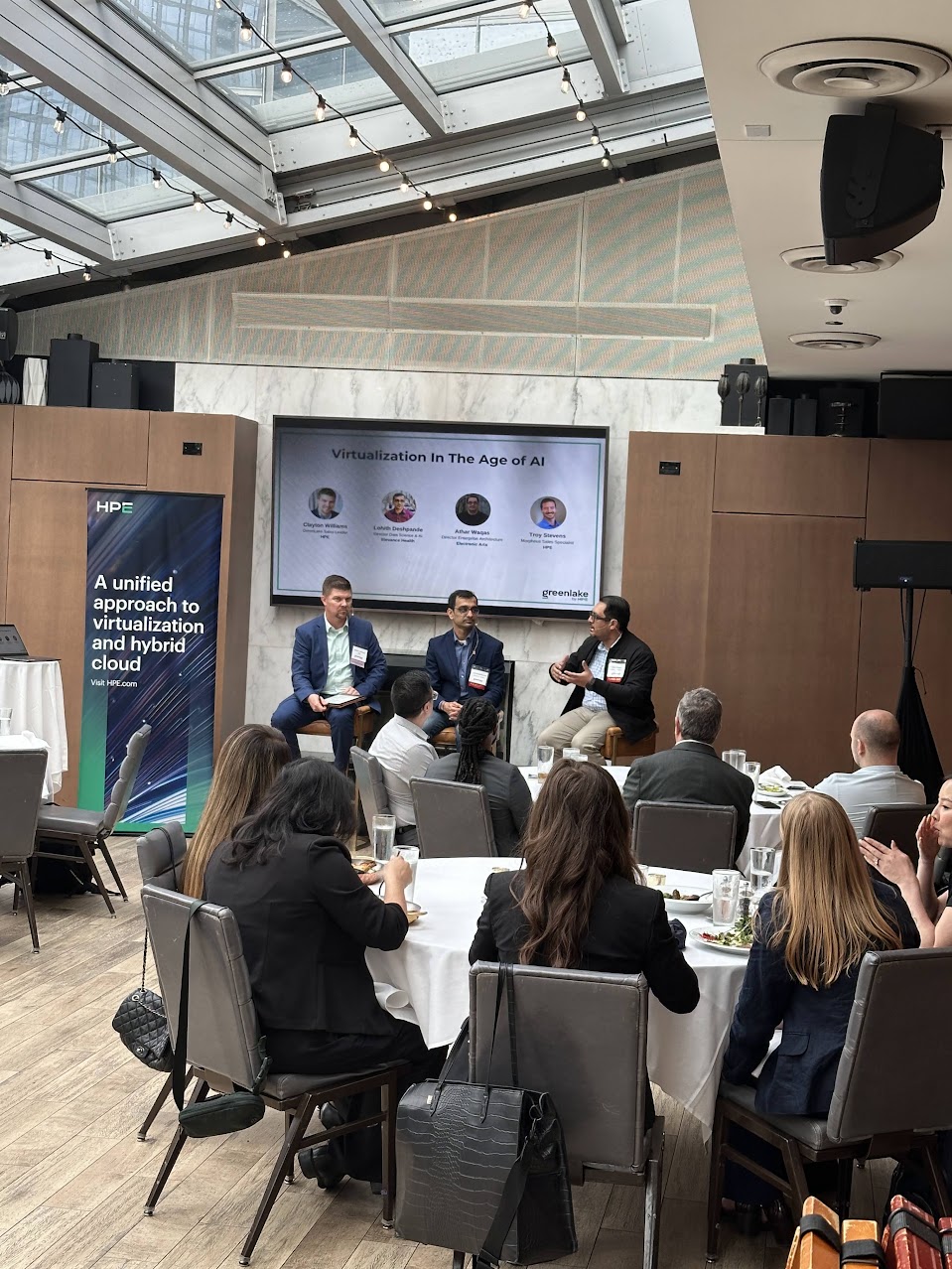
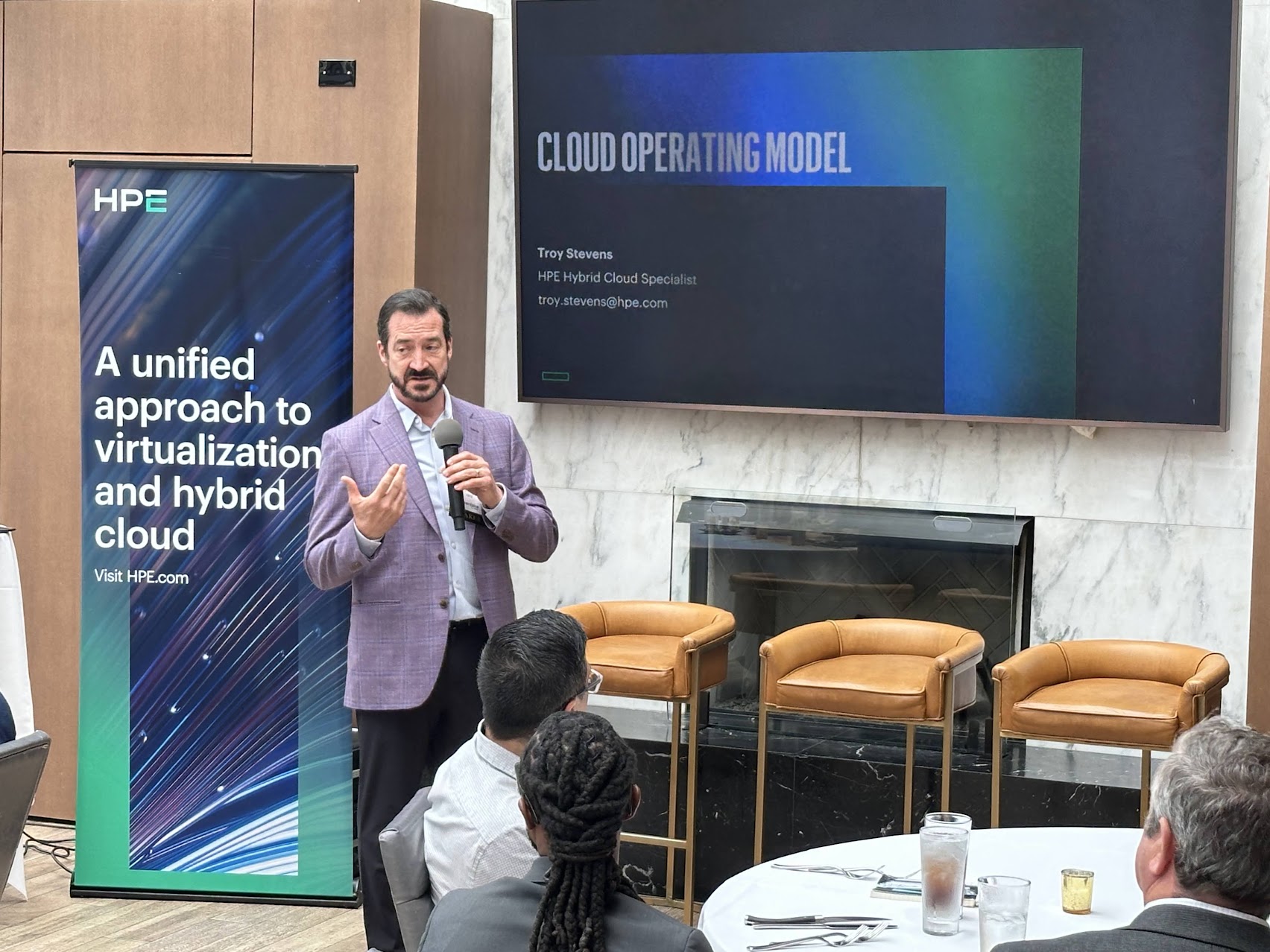
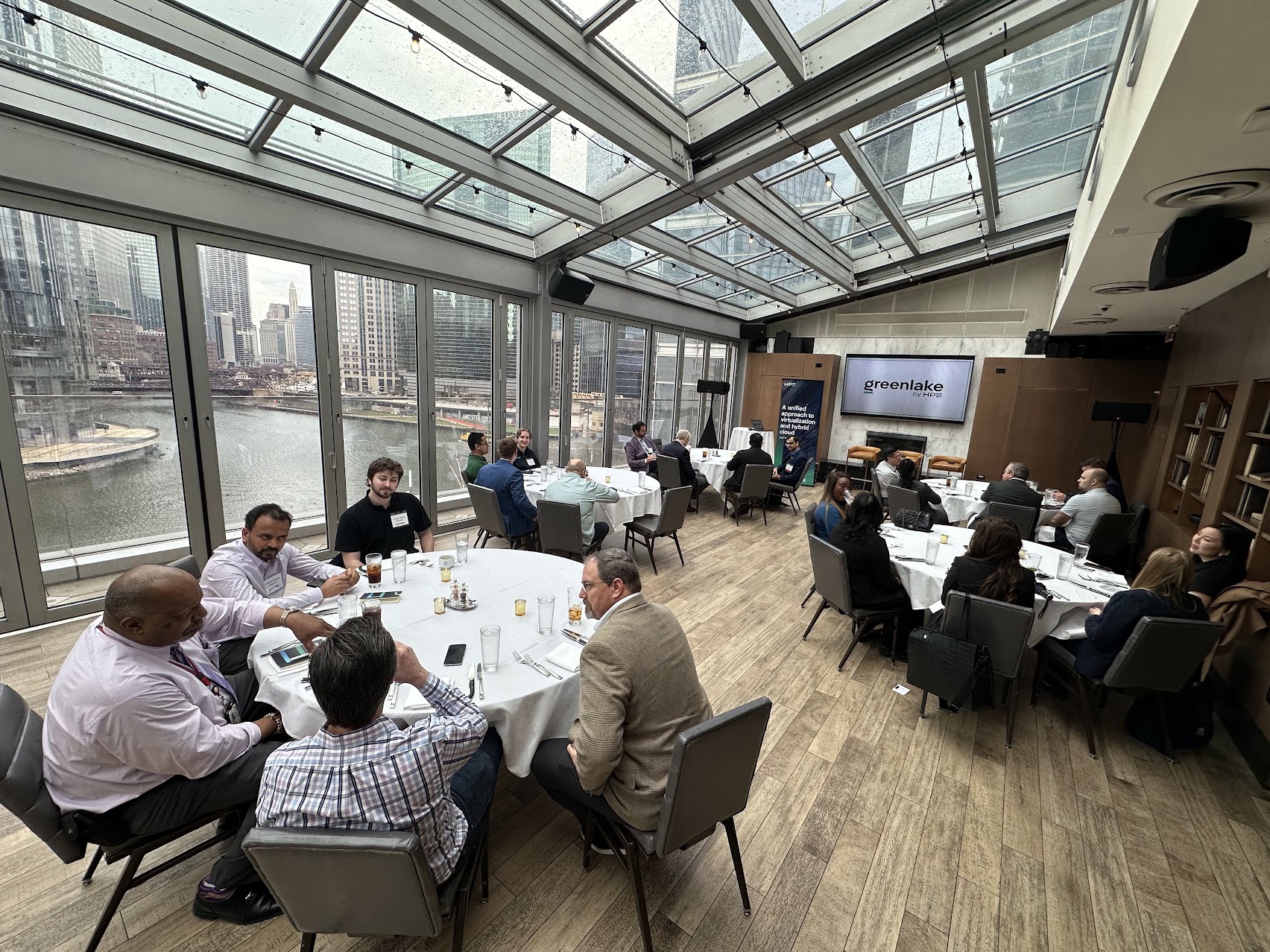
Event moments









Presented by

Unlock your organization’s next phase of innovation with HPE GreenLake, the edge-to-cloud platform designed for the AI era. HPE GreenLake brings cloud agility to applications and data wherever they live, combining scalable infrastructure, built-in security, and intelligent operations. With deep expertise across AI, cloud, and networking, HPE helps enterprises turn data into insight, improve performance, and operate with greater speed and control. Backed by decades of innovation, HPE GreenLake enables organizations to modernize, scale, and lead with confidence. www.hpe.com/greenlake
Learn more about HPE GreenLake ↗